
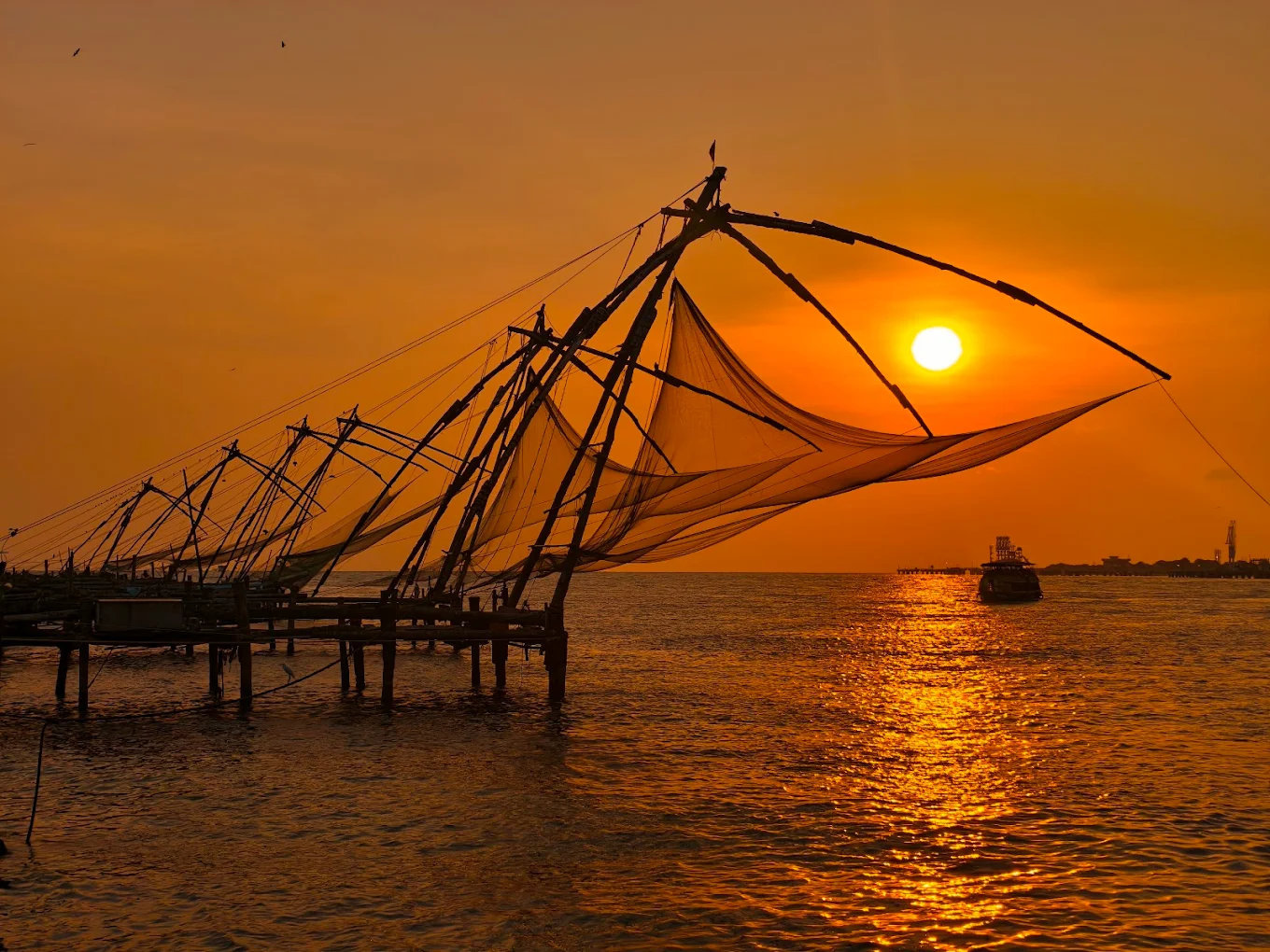
Fort Kochi Travel Guide for Slow Travellers
Why Fort Kochi Works Best at a Slower Pace
Fort Kochi is often approached as a short stop within larger Kerala itineraries, but the historic coastal district reveals itself most meaningfully through slower exploration rather than fast-paced sightseeing.
Unlike destinations centred around a single monument or attraction, Fort Kochi is shaped by atmosphere, layered history, waterfront movement, and the gradual interaction between heritage streets, maritime culture, art spaces, and everyday local life.
Historically influenced by Arab traders, Portuguese settlers, Dutch colonial administration, and later British maritime networks, Fort Kochi evolved into one of the most important trading ports along the Malabar Coast.
That layered history continues to remain visible through architecture, cuisine, religious structures, spice warehouses, and the rhythm of the old harbour itself.
For travellers seeking a more immersive introduction to Kerala, Fort Kochi works best when experienced slowly through walking, observation, cultural engagement, and quieter exploration rather than compressed sightseeing schedules.
Understanding Fort Kochi’s Cultural Layers
What makes Fort Kochi distinctive is the coexistence of multiple cultural influences within a relatively compact waterfront district.
Over centuries, spice trade routes connected the Malabar Coast with the Middle East and Europe, transforming Kochi into an important maritime and commercial centre within the Indian Ocean world.
Areas such as Mattancherry and Jew Town continue to reflect this layered trading history through old spice warehouses, colonial-era buildings, narrow streets, antique stores, and long-standing mercantile communities.
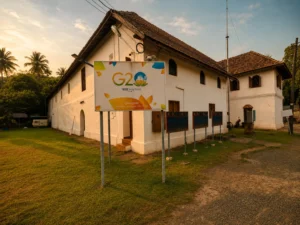
Landmarks including the Paradesi Synagogue, Mattancherry Palace, St. Francis Church, and the iconic Chinese fishing nets further reveal how different historical periods shaped the city’s evolving identity.
Unlike more densely urbanised Indian cities, Fort Kochi still retains a slower waterfront rhythm where maritime heritage remains closely integrated into the everyday atmosphere of the region.
Heritage Streets & Walking Experiences
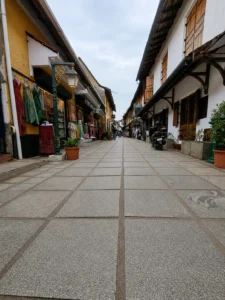
Much of Fort Kochi’s appeal lies in its walkability. Narrow streets lined with colonial façades, shaded courtyards, ageing Portuguese-style homes, waterfront promenades, and quiet residential lanes create an environment that rewards unstructured exploration.
Walking through Mattancherry and Jew Town often reveals smaller details that are easily missed in rushed itineraries, spice aromas drifting from old warehouses, fishermen repairing nets near the harbour, fading colonial signboards, art galleries hidden behind historic courtyards, and cafés occupying restored heritage buildings.
The Chinese fishing nets along the waterfront remain among the most recognisable symbols of Kochi’s maritime identity, particularly during quieter morning and evening hours when the harbour atmosphere becomes calmer and less crowded.
Rather than attempting to cover every attraction quickly, Fort Kochi is best approached through slower movement between neighbourhoods, heritage spaces, cafés, and waterfront areas where the character of the city gradually unfolds over time.
Art, Culture & Slow Exploration
Fort Kochi also functions as one of Kerala’s most active contemporary cultural districts. The Kochi-Muziris Biennale has played an important role in expanding the city’s international artistic identity, transforming old warehouses, heritage buildings, and waterfront structures into creative spaces connected to modern art and cultural dialogue.
Alongside these contemporary influences, traditional Kerala art forms remain deeply visible within the city. Kathakali performances, classical music, regional theatre traditions, and cultural centres continue to introduce travellers to Kerala’s artistic heritage within relatively accessible settings.
These experiences also reflect a broader pattern found across South India, where many cultural practices remain active parts of everyday life rather than museum exhibits.
From classical performing arts and ritual traditions to culinary heritage and artisanal crafts, Kerala’s cultural landscape continues to be shaped by living traditions that connect contemporary communities with centuries of accumulated knowledge and practice.
The slower pace of Fort Kochi allows travellers to engage with these cultural environments more organically rather than treating them as isolated performances or attractions within a crowded schedule.
Food, Cafés & Maritime Atmosphere
Fort Kochi’s food culture reflects the city’s long relationship with maritime trade and cultural exchange. Seafood cuisine, Syrian Christian culinary traditions, Malabar spice influences, and coastal cooking techniques all contribute to the region’s distinctive food identity.
Smaller cafés, heritage restaurants, and waterfront dining spaces often create a slower social atmosphere that aligns naturally with the rhythm of the old port district.
Places such as The Lilly’s Stories and Kochi Kapital Kafe reflect Fort Kochi’s evolving café culture through quieter heritage settings, slower dining environments, and locally influenced menus, while restaurants such as Fusion Bay and Seagull remain closely associated with the city’s coastal seafood traditions and harbour atmosphere.
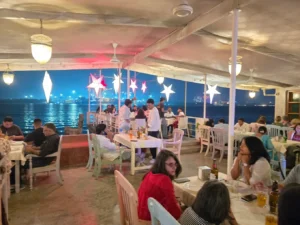
Spice-based dishes, fresh seafood preparations, locally inspired breakfast traditions, and Kerala-style coffee culture are often best experienced gradually rather than through rushed dining schedules between sightseeing stops.
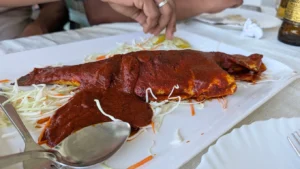
The broader culinary landscape also reflects Kochi’s historic role within global spice networks that once connected Kerala with traders from across the Arabian Peninsula and Europe.
Where to Stay in Fort Kochi
Accommodation plays an important role in shaping how Fort Kochi is experienced. Heritage-oriented stays often create a stronger connection with the atmosphere of the old harbour district than larger standardised hotels located outside the historic core.
Waterfront properties such as Brunton Boatyard reflect Fort Kochi’s maritime identity through colonial-era architectural influences, harbour-facing environments, and slower hospitality rhythms integrated into the surrounding heritage landscape.
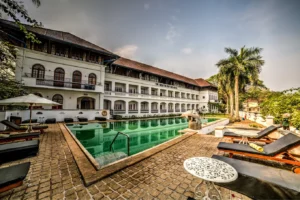
Smaller restored heritage homes and boutique stays within Mattancherry and Fort Kochi similarly allow travellers to remain closely connected to the walkable cultural atmosphere of the district itself.
For slow travellers in particular, choosing accommodation within the heritage areas often reduces unnecessary transit while allowing more time for unstructured exploration and quieter observation of the city.
Best Time to Visit Fort Kochi
Fort Kochi can be visited throughout much of the year, although seasonal atmosphere changes significantly across Kerala’s climate cycles.
The cooler months between November and February generally offer the most comfortable conditions for walking, waterfront exploration, and cultural activities.
The monsoon season, however, creates a dramatically different atmosphere with rain-soaked streets, quieter harbour environments, mist-covered coastlines, and reduced tourist movement.
For some travellers, this slower and more atmospheric version of Fort Kochi can feel more immersive than peak tourism periods.
The Kochi-Muziris Biennale season also attracts travellers interested in art, culture, and contemporary creative spaces across the city.
How Many Days Should You Spend in Fort Kochi?
Although many travellers visit Fort Kochi as a brief transit stop, spending at least two nights in the area often creates a significantly more balanced experience.
The district is less about intensive sightseeing and more about gradual immersion into Kerala’s coastal atmosphere, cultural layering, and slower pace of life.
Fort Kochi also works particularly well as the opening stage of a broader Kerala journey because it allows travellers time to adjust to climate, cuisine, and travel rhythm before moving toward the highlands, forests, backwaters, and wellness regions deeper within the state.
Closing
Fort Kochi is best understood not simply as a heritage destination, but as a layered cultural environment where maritime history, artistic traditions, spice trade legacies, and slower coastal rhythms continue to shape everyday life along the Malabar Coast.
For travellers seeking a more thoughtful introduction to Kerala, the district offers an experience defined less by checklist tourism and more by atmosphere, walkability, observation, and gradual cultural immersion.
Travellers exploring slower and more immersive Kerala journeys may also enjoy our guide to a Thoughtfully Structured 10-Day Kerala Itinerary for Culture, Wellness & Slow Travel, which further explores how Kerala’s coastlines, highlands, forests, and backwaters connect together through carefully paced travel experiences.
Related Blogs
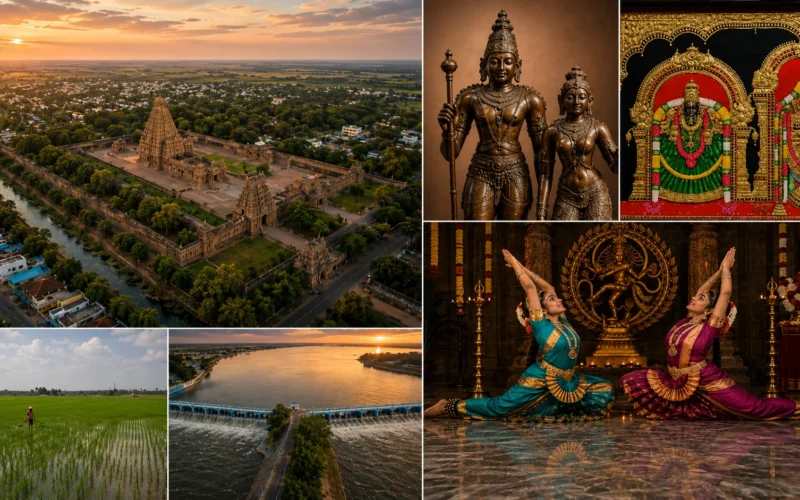
Thanjavur Beyond Brihadeeswara Temple: Exploring the Cultural Heart of the Cauvery Delta
More Than a Temple City For many travellers, Thanjavur begins and ends with Brihadeeswara Temple. The soaring vimana, vast courtyards,…
Read More ›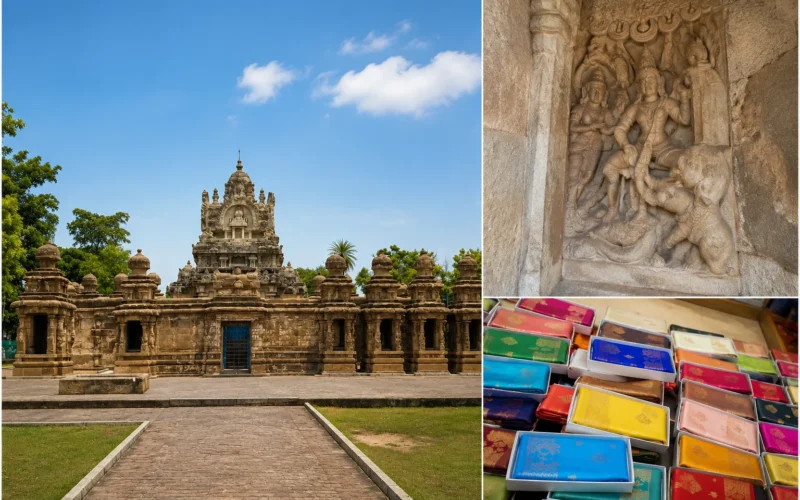
Kanchipuram: Sacred Architecture and Living Traditions
More Than the City of a Thousand Temples Kanchipuram is often introduced as the “City of a Thousand Temples.” While…
Read More ›