
Living Traditions That Still Shape South India
More Than Heritage Sites and Historic Monuments
South India is often celebrated for its magnificent temples, historic cities, royal palaces, and remarkable architectural achievements.
Travellers visit destinations such as Madurai, Thanjavur, Kanchipuram, Hampi, Kochi, and Mysuru to admire monuments that have endured for centuries. Yet the true richness of South India extends far beyond its built heritage.
Across the region, traditions that emerged generations ago continue to influence everyday life.
Temple rituals remain active, classical music fills concert halls and religious festivals, artisans preserve ancient crafts, and culinary traditions continue to be passed from one generation to the next.
These are not customs preserved solely for visitors or displayed behind museum glass. They remain living practices that shape communities, identities, and cultural landscapes.
Understanding South India through its living traditions offers a deeper perspective than simply visiting historic sites. It reveals how the region continues to balance continuity and change, preserving knowledge, skills, and cultural expressions that remain relevant in the modern world.
Temple Traditions That Continue to Shape Community Life
Temples are among South India’s most recognisable landmarks, but their significance extends far beyond architecture and worship.
For centuries, temples have functioned as centres of community life, supporting education, music, dance, charitable activities, festivals, and local economies.
Even today, many temples continue to serve as gathering places where communities come together to celebrate important events and seasonal festivals.
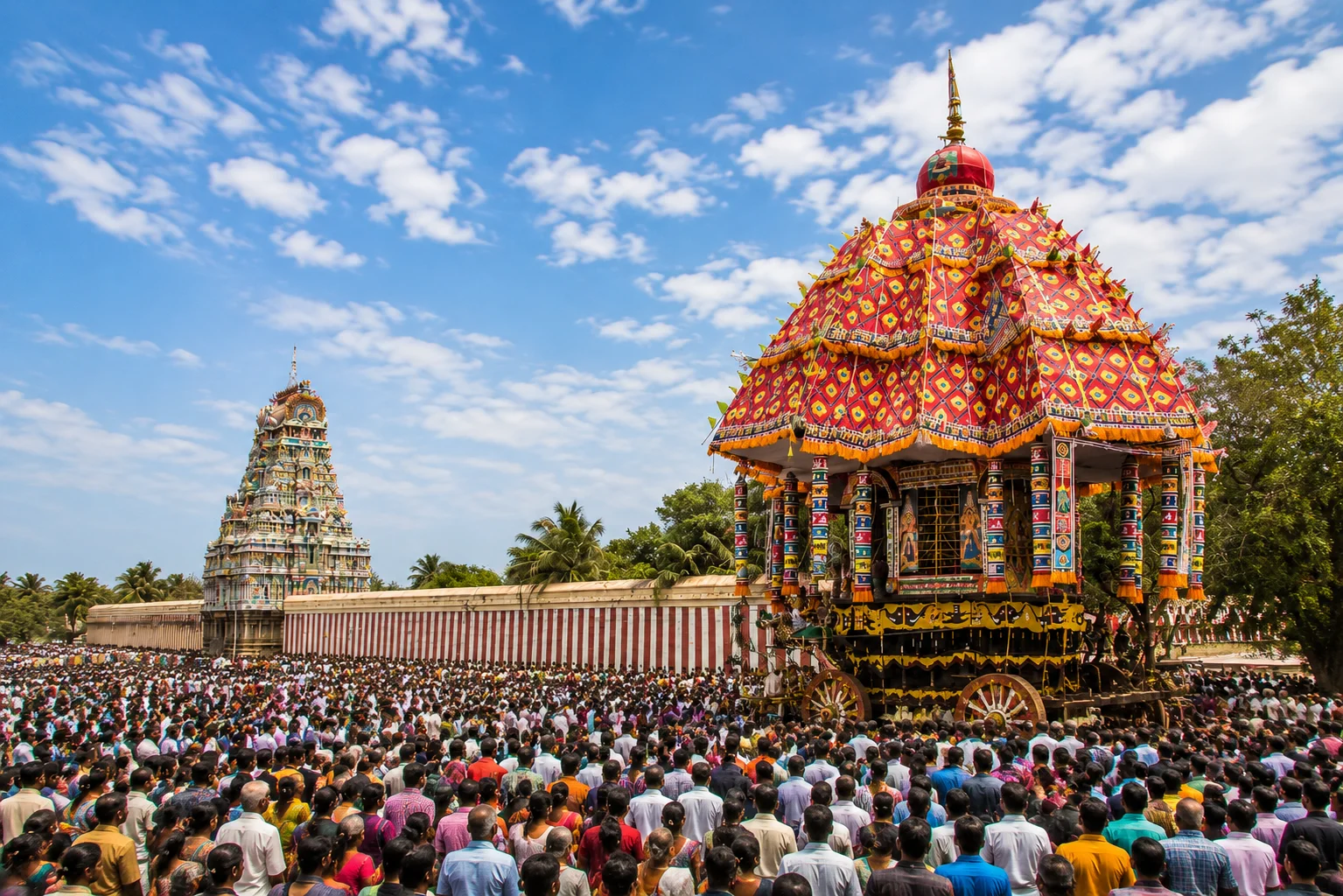
Across Tamil Nadu, temple car festivals draw thousands of participants who help pull elaborately decorated chariots through historic streets.
In Madurai, the Chithirai Festival transforms the city into a vast celebration of mythology, devotion, and cultural identity. In Kerala, temple festivals often combine ritual traditions with music, percussion ensembles, and community gatherings.
These events demonstrate how temple traditions remain woven into everyday life, maintaining connections between the past and the present.
Carnatic Music: A Classical Tradition Still Thriving
Few cultural traditions illustrate South India’s continuity as clearly as Carnatic music.
Developed over centuries, this classical music tradition remains one of India’s most respected artistic forms. The works of composers such as Tyagaraja, Muthuswami Dikshitar, and Syama Sastri continue to be performed by musicians across the world.
What makes Carnatic music particularly remarkable is its continued relevance. It is not confined to academic institutions or cultural archives. Performances take place in temples, cultural centres, music festivals, and private gatherings throughout the year.
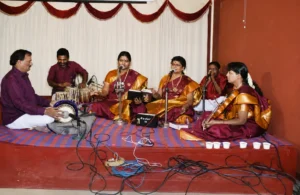
Perhaps nowhere is this more visible than during Chennai’s annual Music Season. Every December, the city hosts hundreds of concerts, attracting performers and audiences from across India and beyond.
Yet Carnatic music remains equally important in smaller communities where devotional performances and local festivals continue longstanding traditions.
The enduring popularity of Carnatic music reflects South India’s ability to preserve classical forms while allowing them to evolve and remain accessible to contemporary audiences.
Bharatanatyam and the Preservation of Classical Dance
Like Carnatic music, Bharatanatyam demonstrates the resilience of South India’s cultural traditions.
Originating from temple and court traditions in Tamil Nadu, Bharatanatyam combines rhythm, expression, storytelling, and spirituality into a highly sophisticated classical dance form.
Through carefully choreographed movements and gestures, performers communicate stories drawn from mythology, literature, and devotional traditions.
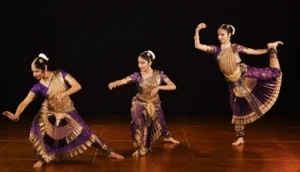
Today, Bharatanatyam is practised by students and performers across the globe. Dance schools in India, Europe, North America, Southeast Asia, and Australia continue to train new generations of dancers.
While the art form has adapted to contemporary contexts, its foundations remain deeply connected to South India’s cultural heritage.
Performances continue to play an important role during festivals, cultural events, and religious celebrations, ensuring that this centuries-old tradition remains vibrant and relevant.
The Art of Handloom Weaving
Textiles occupy an important place in South India’s cultural identity, and many weaving traditions continue to thrive despite the challenges posed by industrial production.
Among the most famous examples are the silk sarees of Kanchipuram. Renowned for their durability, intricate designs, and rich colours, these textiles are created using techniques passed through generations of weaving families.
Many motifs draw inspiration from temple architecture, religious symbolism, and natural forms.
Elsewhere in the region, weaving traditions continue to flourish in different forms.
Kerala’s elegant Kasavu textiles remain closely associated with festivals and ceremonial occasions, while handloom communities across Karnataka, Andhra Pradesh, and Telangana continue to preserve distinctive regional styles.
These textile traditions represent more than craftsmanship. They embody cultural memory, community identity, and the preservation of skills that have shaped local economies for centuries.
Bronze Casting and Sacred Craftsmanship
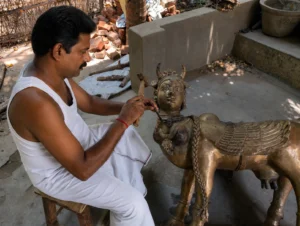
Few traditions demonstrate continuity with the past as clearly as the bronze-casting workshops of Swamimalai in Tamil Nadu.
For centuries, artisans here have produced bronze sculptures using the ancient lost-wax method, a technique perfected during the Chola period.
Each sculpture begins as a handcrafted wax model before being transformed through a complex casting process that requires extraordinary skill and precision.
The resulting works are not simply artistic objects. Many are intended for active use in temples and religious ceremonies, linking contemporary artisans directly to traditions established more than a thousand years ago.
The survival of this craft highlights the importance of artisan communities in preserving cultural heritage.
It also demonstrates how traditional knowledge continues to be transmitted through families and workshops, ensuring that ancient skills remain relevant in the modern era.
Theyyam: Ritual Performance in North Kerala
Among South India’s most visually striking living traditions is Theyyam, a ritual performance form practised in parts of northern Kerala.
Combining dance, music, elaborate costumes, face painting, and spiritual symbolism, Theyyam transforms performers into embodiments of local deities and ancestral figures.
These ceremonies often take place in sacred groves, village shrines, and community spaces, attracting participants from across the region.
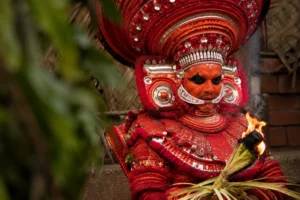
Theyyam is remarkable not only for its dramatic visual impact but also for its social significance. Many performances preserve local histories, community narratives, and oral traditions that might otherwise be lost.
Unlike staged cultural shows designed for tourists, Theyyam remains fundamentally rooted in community life and religious practice.
Its continued vitality reflects the strength of local traditions and the importance communities place on preserving their cultural heritage.
Kolam: Art Found Outside the Front Door
Some of South India’s most enduring traditions are also among its simplest.
Across Tamil Nadu and parts of neighbouring states, intricate geometric designs known as kolams are created outside homes each morning using rice flour or chalk powder.
These patterns vary in complexity, from simple daily designs to elaborate creations produced during festivals and special occasions.
Kolams serve multiple purposes. They are expressions of creativity, symbols of hospitality, and markers of cultural continuity. For many families, the practice is a daily ritual passed from one generation to the next.
Though often overlooked by visitors, kolams reveal how cultural traditions remain embedded in everyday life.
They demonstrate that heritage is not always found in grand monuments; sometimes it exists in small, repeated acts that connect people to their communities and traditions.
Traditional Food Culture and Culinary Heritage
Cuisine offers another window into South India’s living traditions.
Food here is shaped by geography, climate, agriculture, religion, and local customs. Recipes often reflect generations of accumulated knowledge, preserving regional identities through ingredients, techniques, and flavours.
The culinary diversity of South India is remarkable. Kerala’s traditional Sadya celebrates seasonal ingredients through a carefully structured vegetarian feast served on banana leaves.
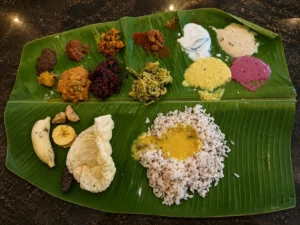
Chettinad cuisine is renowned for its bold flavours and complex spice combinations. Kanchipuram Idli preserves temple-associated culinary traditions, while coastal communities maintain seafood recipes influenced by local environments and maritime histories.
Food remains central to festivals, family gatherings, and religious celebrations. In many communities, traditional recipes continue to be passed down through families, ensuring that culinary heritage remains an active part of everyday life.
Ayurveda and Traditional Wellness Knowledge
Among South India’s most internationally recognised traditions is Ayurveda.
Although practised across India, Kerala has become particularly associated with Ayurvedic wellness, therapeutic treatments, and traditional healing knowledge.
Many families, practitioners, and institutions continue to preserve medical practices that draw upon centuries of accumulated experience.
Ayurveda’s continued relevance reflects its ability to adapt while remaining grounded in traditional principles.
Wellness retreats, treatment centres, and educational institutions help sustain knowledge systems that remain important to both local communities and visitors seeking holistic approaches to health and wellbeing.
Beyond the treatments themselves, Ayurveda reflects a broader cultural understanding of balance, prevention, and harmony with natural rhythms.
Why Living Traditions Matter
Historic monuments provide important connections to the past, but living traditions offer something equally valuable: continuity.
They preserve knowledge, skills, stories, and practices that might otherwise disappear. They strengthen community identity, support local economies, and create opportunities for cultural exchange between generations.
Importantly, living traditions remind us that culture is not static. It evolves while retaining connections to its origins.
The endurance of South India’s music, dance, craftsmanship, festivals, cuisine, and wellness practices demonstrates the resilience of communities that continue to value and sustain their heritage.
Experiencing Living Traditions as a Traveller
For culturally curious travellers, South India’s living traditions offer opportunities for deeper engagement than conventional sightseeing alone.
Attending a classical music performance, witnessing a temple festival, visiting a weaving community, observing bronze artisans at work, or learning about regional culinary traditions can provide meaningful insights into local culture.
Such experiences encourage travellers to move beyond monuments and develop a richer understanding of the communities that sustain these traditions.
Respectful observation, genuine curiosity, and a willingness to engage with local perspectives often reveal aspects of South India that cannot be understood through landmarks alone.
The Cultural Continuity of South India
South India’s cultural richness lies not only in its temples, palaces, and historic cities but also in the traditions that continue to shape daily life across the region.
From Carnatic music and Bharatanatyam to Kanchipuram silk, bronze casting, Theyyam, Ayurveda, temple festivals, and culinary heritage, these living traditions connect the present with centuries of accumulated knowledge and creativity.
Together, they create a cultural landscape that is both historic and alive. They demonstrate that heritage is not simply something to be preserved; it is something continually practised, adapted, and shared.
For travellers seeking a deeper understanding of South India, these traditions offer some of the most rewarding cultural experiences the region has to offer.
They reveal a society where the past remains an active influence on the present, shaping identities, communities, and ways of life that continue to endure.
Related Blogs
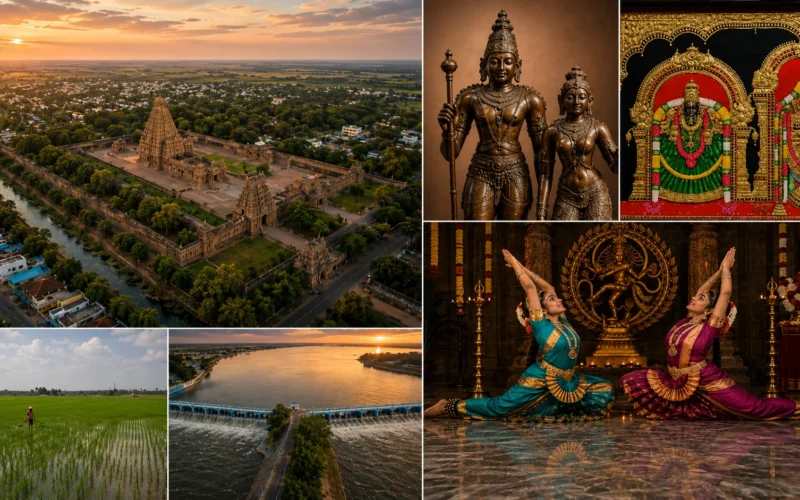
Thanjavur Beyond Brihadeeswara Temple: Exploring the Cultural Heart of the Cauvery Delta
More Than a Temple City For many travellers, Thanjavur begins and ends with Brihadeeswara Temple. The soaring vimana, vast courtyards,…
Read More ›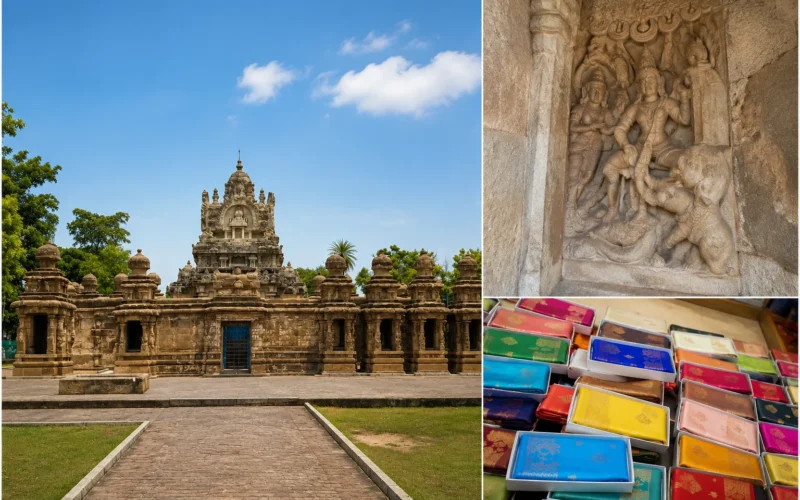
Kanchipuram: Sacred Architecture and Living Traditions
More Than the City of a Thousand Temples Kanchipuram is often introduced as the “City of a Thousand Temples.” While…
Read More ›