

Southern Confluence
Karnataka
Where empires, faith, and living traditions intersect
The Context
Karnataka occupies a singular position within Southern India—a cultural meeting ground where multiple civilizational streams converged without dissolving into uniformity. Empires rose here not in isolation, but in dialogue with sacred knowledge systems, maritime exchange, courtly refinement, and ecological adaptation.
Temple intelligence coexisted with imperial urbanism; royal patronage evolved alongside living ritual cultures; inland highlands and coastal worlds shaped distinct yet interdependent identities.What defines Karnataka is not dominance of one tradition, but the disciplined coexistence of many—each retaining internal coherence while contributing to a larger civilizational fabric.
This confluence produced cultures that were structurally sophisticated, resilient to disruption, and capable of continuity across centuries.Southern Confluence – Karnataka is therefore understood not as a single narrative, but as a layered cultural system—where power, faith, art, and landscape intersected to form one of South India’s most enduring and intelligently composed civilizations.

Cultural Landscape


Stewardship by Design
Sustainability at Lux Crafter is embedded into how we choose partners, shape journeys, and operate on the ground. Our approach prioritises responsible destination management, respect for local communities, and long-term environmental stewardship—delivered with the same discipline, reliability, and precision that define our operations.
Our Stewardship ApproachDestinations

Atlantic Goa
Maritime histories, global exchanges, and refined coastal cultures.
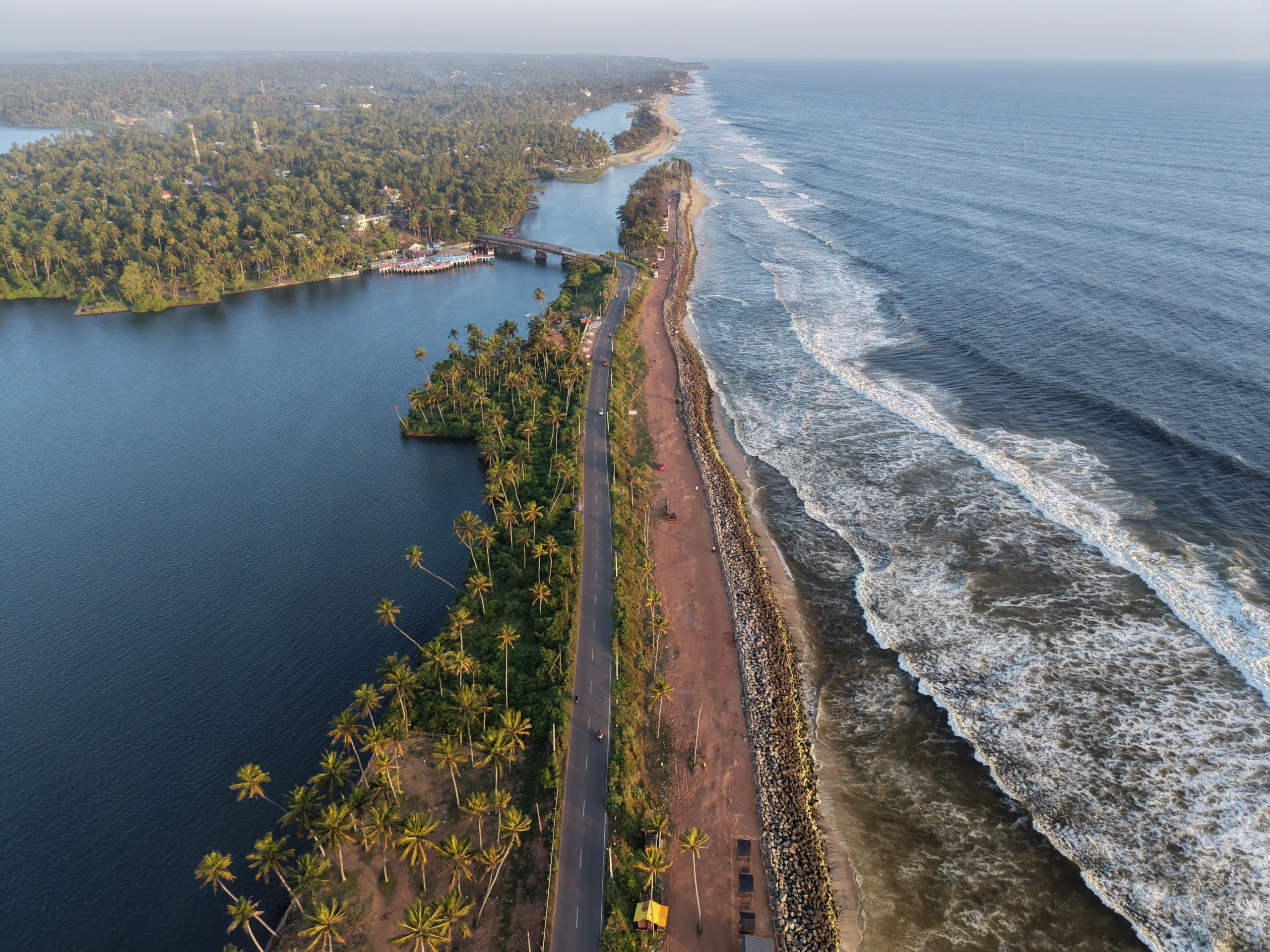
The Living Coast-Kerala
Historic spice routes, healing lineages, and water-shaped civilisations.
The Classical South -Tamil Nadu
Temple civilisations, classical arts, and enduring cultural traditions.

The Royal Desert Rajasthan
Dynastic courts, desert trade routes, and enduring royal cultures

The Wild Heartlands-Madhya Pradesh
Forest heartlands, dynastic legacies, and living sacred geographies