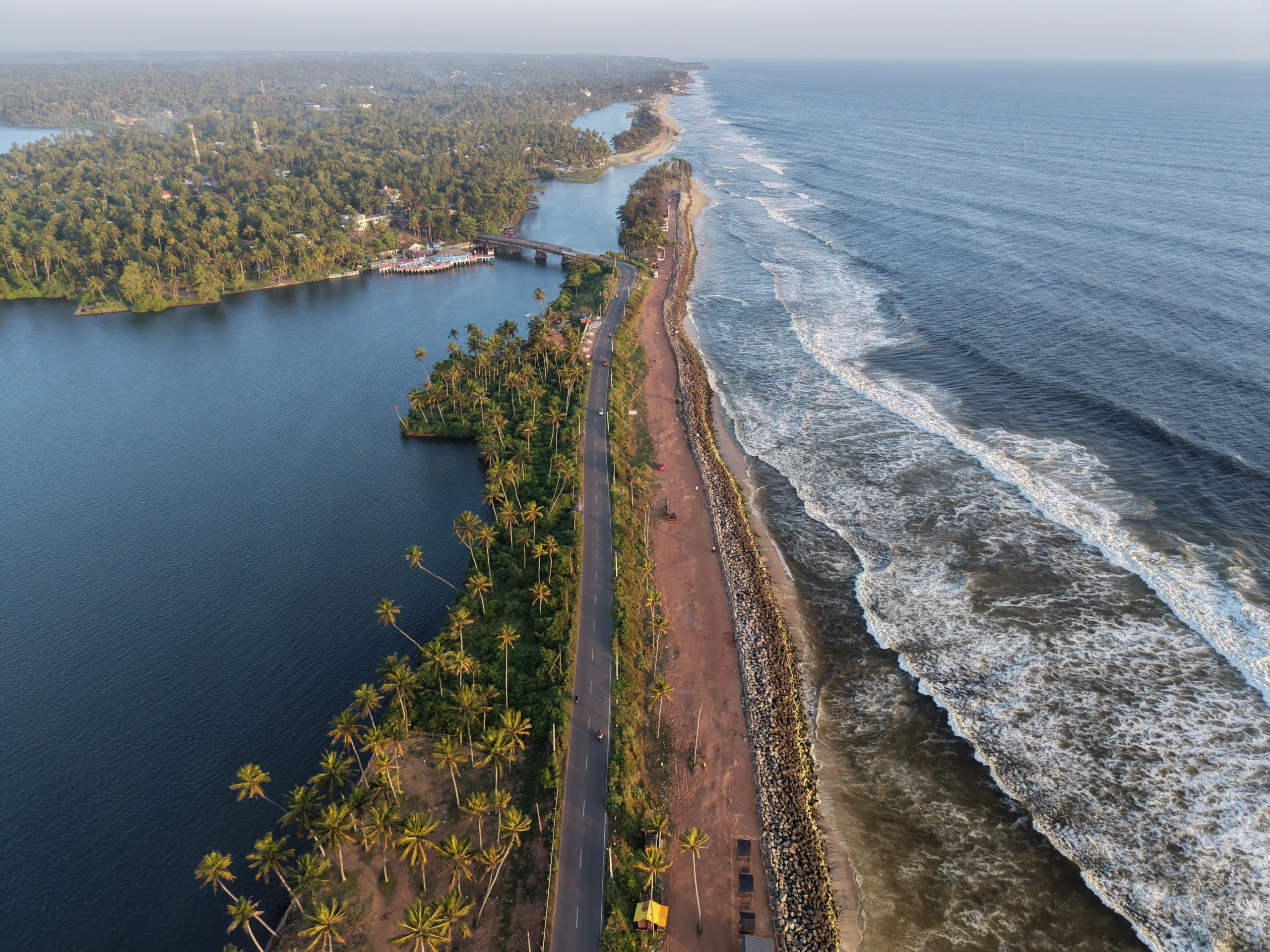
The Wild Heartlands-Madhya Pradesh

The wild hearlands
Madhya Pradesh

Ancient forests, river kingdoms, and living wilderness.

The Context

Madhya Pradesh occupies the geographic and civilisational heart of India—an interior landscape where dynasties, forests, rivers, and sacred routes have intersected for millennia. This is a region shaped by ancient kingdoms, forest cultures, and spiritual lineages, where history unfolds not as spectacle, but as continuity embedded in land and memory.
From the sculptural sanctuaries of Khajuraho and the monastic calm of Sanchi to the dense tiger corridors of Kanha and Bandhavgarh and the enduring temple towns along the Narmada, Madhya Pradesh reveals India at its most layered and introspective. Here, nature and civilisation exist in dialogue—forests protecting faith, rivers sustaining ritual, and architecture emerging in harmony with terrain and time.
Luxury in Madhya Pradesh is experiential and contemplative—found in privileged access, narrative depth, and immersion into landscapes where wilderness, heritage, and living traditions converge with quiet authority rather than overt display.

The Context

Cultural Landscape

The Forest Heartlands
The Sacred Continuum
The Dynastic Plateau
The Forest Heartlands
The Forest Heartlands represent one of India’s oldest inhabited wilderness landscapes—where dense sal forests, river corridors, and grassland clearings have sustained both wildlife and human settlement for millennia. This is a geography shaped less by conquest and monumentality, and more by continuity between ecology, belief, and custodianship. Ancient forest kingdoms, monastic retreats, and indigenous communities evolved here in close negotiation with land and season, creating a culture of balance rather than dominance. Across regions such as Kanha, Bandhavgarh, Pench, and Satpura, forests function not merely as natural reserves but as living cultural systems. Sacred groves, migratory routes, and seasonal rhythms inform patterns of movement, ritual, and survival. Wildlife corridors overlap with historic pathways, and conservation today echoes older traditions of protection and restraint embedded in local memory. Life in the Forest Heartlands unfolds quietly—guided by dawn and dusk, monsoon cycles, and the slow intelligence of the landscape itself. Luxury here is not performative, but contemplative: found in silence, scale, and privileged access to spaces where wilderness and human presence have long coexisted without erasure.
The Sacred Continuum
The Sacred Continuum reflects a landscape where spirituality is not confined to monuments but unfolds as a continuous cultural presence across time, geography, and daily life. In this region, sacred sites emerge in deliberate relationship with rivers, forests, and ancient settlements—forming a network of belief shaped as much by movement and memory as by architecture. Temples, pilgrimage routes, and ritual centres function as living institutions rather than static heritage. Devotion here is rhythmic and enduring, guided by seasonal cycles, oral traditions, and long-established patterns of patronage. Sacred spaces are experienced through processions, pauses, and layered narratives—where myth, philosophy, and place remain inseparable. This is a spiritual geography defined by continuity rather than spectacle. Access to the Sacred Continuum offers quiet immersion into India’s civilisational core, where meaning accumulates through context, restraint, and lived practice—revealing luxury as depth, coherence, and timeless relevance.
The Dynastic Plateau
Rising at the heart of the subcontinent, the Dynastic Plateau represents a landscape shaped by power, patronage, and continuity of rule. For over a millennium, this elevated terrain served as a strategic and cultural stronghold for successive dynasties—Paramaras, Chandelas, Mughals, Marathas, and princely states—each leaving behind layered expressions of authority through forts, capitals, sacred complexes, and urban planning. Here, political ambition and cultural refinement evolved together. Hilltop citadels, temple cities, and planned settlements were conceived not merely for defence, but as enduring statements of legitimacy, cosmology, and artistic excellence. Architecture across the plateau reflects a disciplined synthesis of scale and symbolism, where stone, geography, and ritual were aligned to reinforce dynastic vision. The Dynastic Plateau is not defined by a single empire, but by succession itself—by the continuity of governance, craftsmanship, and cultural memory across changing reigns. Luxury within this landscape is encountered through access to layered histories, scholarly interpretation, and immersion into spaces where power was carefully curated rather than theatrically displayed. It is a terrain where India’s political and cultural consciousness was shaped, negotiated, and preserved across centuries.
Stewardship by Design

Stewardship by Design

Sustainability at Lux Crafter is embedded into how we choose partners, shape journeys, and operate on the ground. Our approach prioritises responsible destination management, respect for local communities, and long-term environmental stewardship—delivered with the same discipline, reliability, and precision that define our operations.