

The Royal Desert
Rajasthan
Dynastic courts, desert trade routes, and enduring royal cultures
The Context
Rajasthan represents India’s most enduring expression of dynastic authority shaped by desert resilience. Forged along contested frontiers and arid landscapes, the region evolved through fortified cities, warrior lineages, and courtly cultures where architecture, protocol, and permanence became instruments of governance rather than ornament.
From the hill forts of Marwar and Mewar to the planned capitals of Jaipur and Bikaner, Rajasthan’s civilisational logic is spatial and strategic. Forts command ridgelines, palaces encode hierarchy, and cities unfold around water systems, trade routes, and defensive geometry. The desert was not a constraint but a governing force—disciplining settlement patterns, aesthetics, and resource intelligence.
Cultural life developed through patronage rather than display, sustained by lineage, apprenticeship, and courtly order. Luxury in Rajasthan is therefore contextual and architectural—experienced through access to spaces of authority, an understanding of lineage, and immersion into environments where power, landscape, and craftsmanship remain inseparable.
Cultural Landscape


Stewardship by Design
Sustainability at Lux Crafter is embedded into how we choose partners, shape journeys, and operate on the ground. Our approach prioritises responsible destination management, respect for local communities, and long-term environmental stewardship—delivered with the same discipline, reliability, and precision that define our operations.
India, Thoughtfully Interpreted

Atlantic Goa
Maritime histories, global exchanges, and refined coastal cultures.

Southern Confluence Karnataka
Imperial legacies, trans-regional exchanges, and layered cultural landscapes.
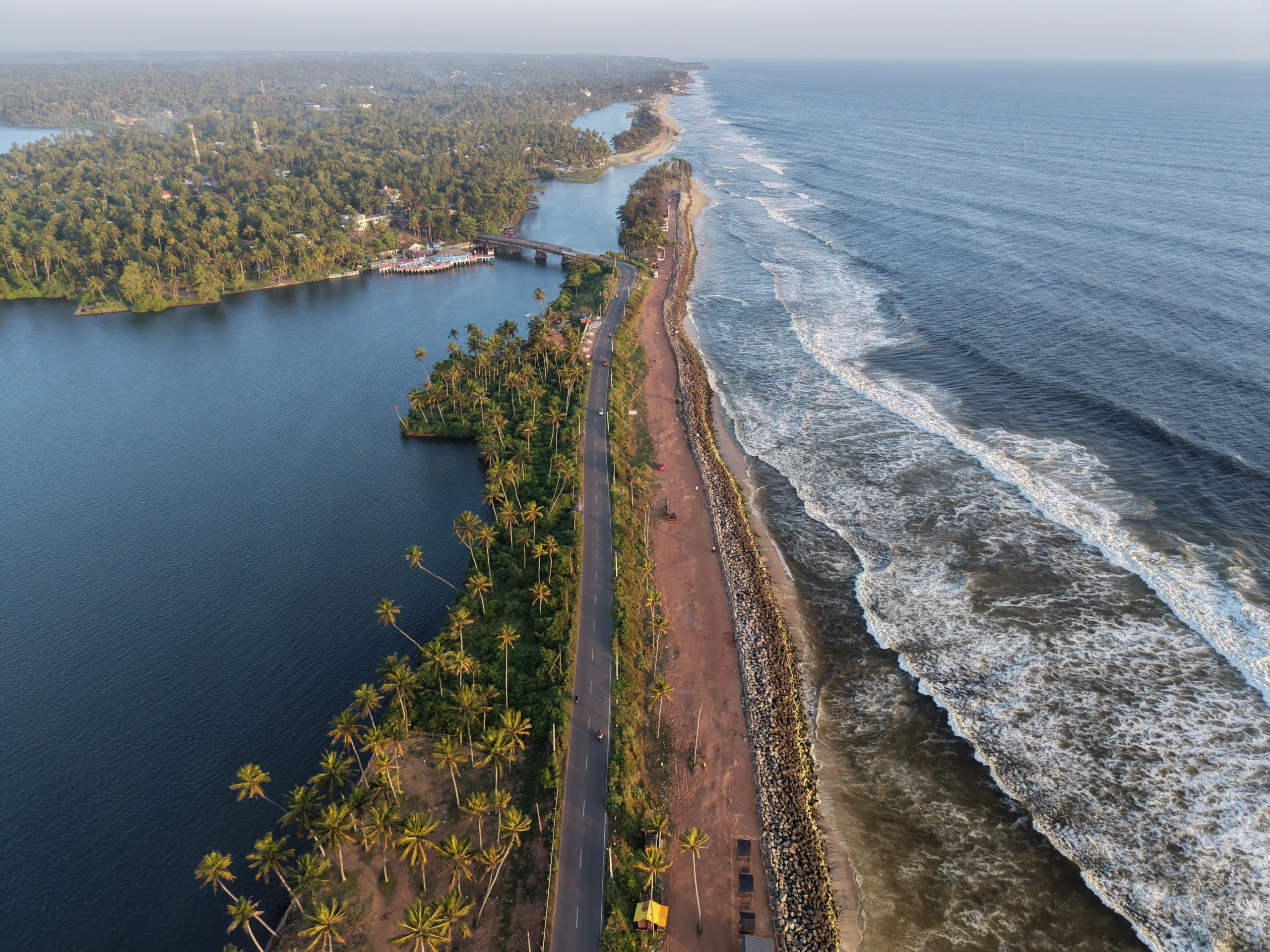
The Living Coast-Kerala
Historic spice routes, healing lineages, and water-shaped civilisations.
The Classical South -Tamil Nadu
Temple civilisations, classical arts, and enduring cultural traditions.

The Wild Heartlands-Madhya Pradesh
Forest heartlands, dynastic legacies, and living sacred geographies