
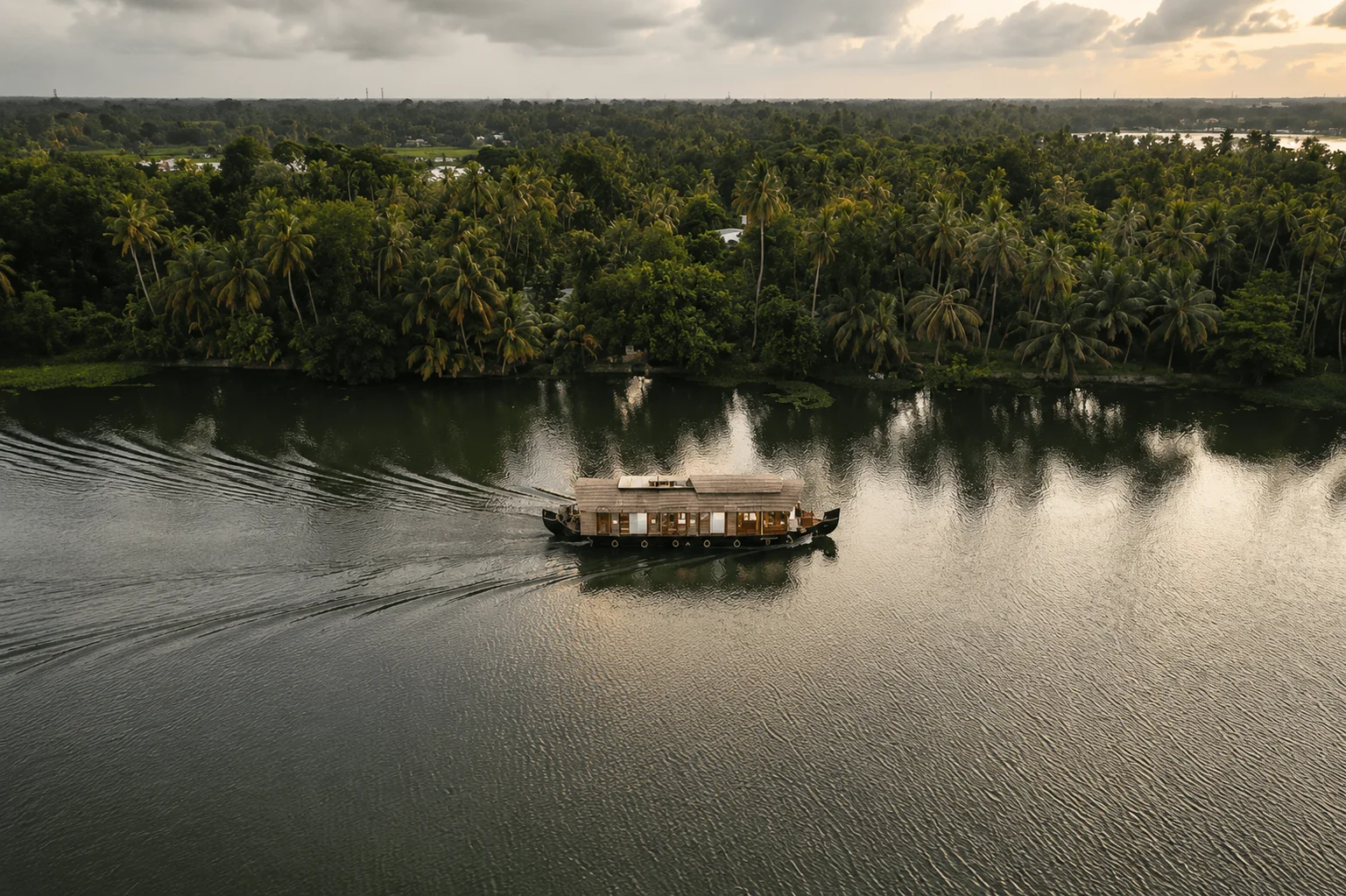
A Thoughtfully Structured 10-Day Kerala Itinerary for Culture, Wellness & Slow Travel
Why Kerala Works Best When Experienced Slowly
Kerala is often described through individual experiences, backwaters, tea hills, Ayurveda retreats, beaches, or houseboats, but the state is best understood as a connected landscape where geography, climate, culture, and pace shape the overall travel experience together.
Attempting to compress Kerala into a fast-moving sightseeing itinerary often reduces what makes the region distinctive in the first place.
Unlike many destinations built around major landmarks alone, Kerala reveals itself gradually through transitions between coastlines, mountain roads, forest regions, village waterways, spice-growing landscapes, and slower rhythms of everyday life. The experience is shaped as much by atmosphere and pacing as by the destinations themselves.
A thoughtfully structured 10-day Kerala itinerary therefore works best when designed around balance rather than coverage. Combining cultural immersion, landscape transitions, wellness, and recovery time creates a journey that feels more aligned with Kerala’s natural rhythm.
For travellers seeking a more meaningful experience of South India, Kerala offers a rare combination of ecological diversity, layered cultural history, Ayurveda traditions, and slower luxury travel experiences that reward patience and thoughtful route planning.
Understanding Kerala’s Geography Before Planning a Route
Kerala Is Narrow but Geographically Diverse
Although Kerala appears geographically compact on the map, the state contains remarkably diverse landscapes within relatively short distances.
Coastal cities, backwater systems, tropical forests, spice-growing hills, tea plantations, and highland regions all exist within a narrow stretch between the Arabian Sea and the Western Ghats.
Because of this diversity, travel experiences can change dramatically within a single route.
The atmosphere of Fort Kochi differs entirely from the cooler elevations of Munnar, while the quiet rhythm of Kerala’s backwaters creates a completely different pace from the forested landscapes of Thekkady.
This geographical variation is one of the reasons Kerala works particularly well for travellers seeking immersive journeys that combine nature, culture, wellness, and slower exploration within a single itinerary.
Why Transit Time Matters More Than Distance
One of the most common mistakes travellers make while planning Kerala itineraries is underestimating travel time.
Distances between destinations may appear short, but winding hill roads, slower regional highways, monsoon conditions, and scenic mountain routes often increase journey duration significantly.
A route that looks manageable on paper can quickly become exhausting when too many destinations are combined within limited time. Overloading a Kerala itinerary often reduces opportunities for meaningful engagement with the landscapes and experiences themselves.
For this reason, well-structured Kerala journeys prioritise fewer transitions, longer stays, and smoother geographical sequencing rather than attempting to maximise destination count.
Coast, Highlands & Backwaters Offer Different Rhythms
Kerala’s regions are not simply visually different; they also create distinct emotional and sensory rhythms within the journey itself.
The coast, particularly around Fort Kochi, introduces travellers to Kerala gradually through heritage neighbourhoods, spice histories, port-city culture, and slower urban exploration.
The highland regions around Munnar shift the experience toward cooler temperatures, tea landscapes, mist-covered valleys, and quieter mountain environments.
Further south and inland, the backwaters offer perhaps the slowest rhythm of all, where movement itself becomes calmer through interconnected canals, village waterways, and water-based travel systems.
Understanding these transitions helps create a more balanced Kerala itinerary where landscapes evolve naturally rather than feeling disconnected or rushed.
What Kind of Traveller This 10-Day Kerala Journey Is Designed For
Travellers Seeking Cultural & Natural Immersion
This Kerala itinerary is designed for travellers who prefer immersive experiences over fast-paced sightseeing.
Rather than attempting to cover every major destination, the route focuses on creating continuity between Kerala’s cultural landscapes, natural environments, and slower travel experiences.
The journey is particularly suited to travellers interested in heritage neighbourhoods, local cuisine, landscape transitions, traditional wellness systems, and regionally grounded travel experiences that reveal Kerala beyond standard tourism circuits.
Wellness-Oriented & Slow Luxury Travellers
Kerala naturally lends itself to slower forms of luxury travel where comfort is defined more by pacing, privacy, environmental quality, and thoughtful experience design than by excess alone.
For wellness-oriented travellers, the route also creates space for recovery, rest, and reduced travel fatigue. The inclusion of quieter landscapes, slower transitions, and optional Ayurveda integration allows the journey to feel restorative rather than overly scheduled.
This approach aligns especially well with travellers seeking meaningful wellness experiences connected to Kerala’s natural and cultural environment rather than isolated resort stays alone.
First-Time South India Visitors Wanting Balance
For many first-time visitors to South India, Kerala offers one of the most accessible introductions to the region because of its relatively relaxed pace, strong hospitality culture, and combination of nature, culture, and wellness experiences within manageable travel distances.
A thoughtfully structured 10-day route allows travellers to experience multiple dimensions of Kerala without creating excessive transit fatigue or itinerary overload.
The balance between coast, mountains, forests, and backwaters also provides a broader understanding of Kerala’s regional diversity within a single journey.
Days 1–2: Fort Kochi & Kerala’s Cultural Gateway
Why Fort Kochi Works Well as an Entry Point
For many travellers, Fort Kochi provides an ideal introduction to Kerala because the city encourages slower exploration rather than immediate immersion into fast-paced travel schedules.
Historically shaped by Arab, Portuguese, Dutch, and British maritime influence, Fort Kochi developed as one of the most important port settlements along the Malabar Coast.

This layered history continues to shape the atmosphere of the region today through colonial architecture, spice warehouses, art spaces, old churches, coastal streets, and long-standing trading traditions that remain visible throughout the city.
Beginning a Kerala itinerary here also allows travellers time to adapt gradually to climate, cuisine, and travel rhythm before moving deeper into the state’s inland landscapes.
Heritage Streets, Spice Histories & Coastal Atmosphere
Much of Fort Kochi’s appeal comes not from individual monuments alone, but from the atmosphere created by its interconnected cultural landscape.
Narrow heritage streets, ageing colonial buildings, fishing harbours, and waterfront promenades create an environment where Kerala’s maritime history remains closely tied to everyday life.
The broader region also reflects Kerala’s historic role within Indian Ocean trade networks, particularly through spice commerce that connected the Malabar Coast with the Middle East and Europe for centuries.
Rather than rushing between attractions, Fort Kochi is best experienced slowly through walking, local cafés, smaller art spaces, waterfront exploration, and quieter observation of the city’s layered cultural identity.
Kathakali, Cuisine & Slow Exploration
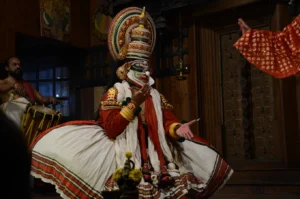
Fort Kochi also provides one of the most accessible introductions to Kerala’s artistic and culinary traditions. Kathakali performances, classical music, seafood cuisine, spice-based cooking traditions, and regional café culture all contribute to the city’s distinctive atmosphere.
For travellers beginning a longer South India journey, these first two days help establish a slower travel rhythm before transitioning toward Kerala’s mountain and backwater regions later in the itinerary.
The combination of coastal heritage, cultural layering, and gentle pacing makes Fort Kochi one of the strongest starting points for a thoughtfully structured Kerala journey.
Days 3–4: Munnar & The Western Ghats
Transitioning from Coastline to Highlands
After the coastal atmosphere of Fort Kochi, the journey gradually moves inland toward the cooler elevations of Munnar and the Western Ghats.
This transition introduces a dramatic change in landscape, climate, and travel rhythm as tropical coastal environments give way to winding mountain roads, mist-covered valleys, and expansive tea-growing regions.
The drive itself becomes part of the experience, revealing changing vegetation, spice plantations, waterfalls, and hillside settlements along the ascent into Kerala’s highland landscapes.
Tea Landscapes & Mountain Atmosphere
Munnar remains one of Kerala’s most recognisable hill regions, known for its layered tea estates, cooler climate, and quieter mountain atmosphere.
The region developed significantly during the colonial plantation period, and tea cultivation continues to shape both the economy and visual identity of the landscape today.
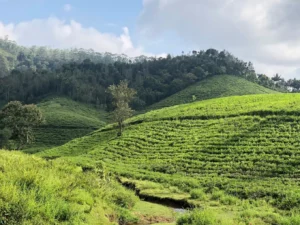
Unlike more urban travel environments, Munnar encourages slower exploration through scenic drives, plantation walks, elevated viewpoints, and longer periods of rest within nature-oriented settings.
The atmosphere of the highlands also creates a natural midpoint within the Kerala itinerary, balancing cultural exploration with environmental immersion.
Plantation Stays & Quiet Recovery Spaces
One of the defining aspects of travel in Munnar is the opportunity to experience plantation environments and quieter hospitality settings integrated into the surrounding landscape.
Many travellers use this part of the route to slow down further, recover from transit intensity, and engage more deeply with Kerala’s ecological character.
For wellness-oriented travellers, the cooler climate and reduced pace of the hills often create a restorative contrast to both urban environments and faster-paced travel schedules.
Rather than functioning purely as a sightseeing destination, Munnar works best as a space for environmental immersion and slower sensory travel within the broader Kerala journey.
Days 5–6: Thekkady & Kerala’s Forest Landscapes
Kerala’s Relationship with Spice & Ecology
As the journey moves further inland, the landscapes around Thekkady introduce a different dimension of Kerala shaped by forests, spice cultivation, and ecological diversity.
Located near the Periyar region within the Western Ghats, Thekkady reflects Kerala’s long-standing relationship with cardamom, pepper, cinnamon, clove, and other spice-growing traditions that historically connected the Malabar Coast to global trade networks.
Unlike Kerala’s coastal heritage environments or tea-covered highlands, Thekkady offers a landscape defined by dense vegetation, plantation systems, mountain forests, and slower ecological rhythms.
The surrounding spice-growing regions also provide insight into how agriculture, climate, and trade have historically influenced Kerala’s cultural and economic identity.
Forest Landscapes & Slow Wilderness Experiences
Thekkady is often associated with Periyar Wildlife Sanctuary, but the region works best when approached as a broader ecological landscape rather than solely a conventional wildlife destination.
Mist-covered forests, plantation roads, lake environments, and quieter mountain settlements create opportunities for slower exploration and environmental immersion.
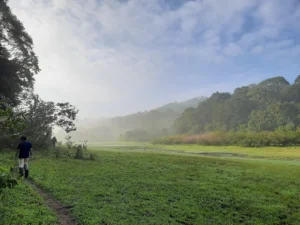
The Periyar Tiger Reserve also offers a range of regulated nature-based activities conducted through the Kerala Forest Department, including guided trekking programmes, bamboo rafting experiences, and controlled wildlife observation activities within protected forest zones.
These experiences allow travellers to engage more directly with the ecological character of the Western Ghats while supporting more structured and conservation-oriented forms of tourism.
Rather than structuring the experience around intensive sightseeing alone, many travellers use this stage of the itinerary to reduce pace further through nature walks, spice plantation visits, forest-edge stays, and quieter observation of Kerala’s highland ecosystems.
This transition also creates balance within the broader Kerala route by shifting the journey from cultural and architectural environments toward ecological and sensory experiences.
Thekkady Beyond Conventional Wildlife Tourism
Although wildlife tourism remains an important part of the region, Thekkady’s atmosphere is equally shaped by its plantation culture, cooler climate, and forest-driven pace of life.
Carefully managed activities within the Periyar Tiger Reserve, including bamboo rafting across reservoir landscapes and guided forest treks, often provide a slower and more immersive alternative to fast-paced sightseeing experiences.
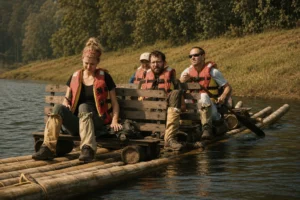
Smaller plantation properties and environmentally integrated stays also tend to create a deeper connection with the surrounding landscape than highly commercial tourism circuits.
The emphasis here is often less about volume tourism and more about environmental immersion, ecological awareness, and slower engagement with Kerala’s forest systems.
For travellers following a thoughtfully structured Kerala itinerary, Thekkady functions less as a checklist destination and more as a transitional landscape where forests, spice traditions, wildlife environments, and slower travel rhythms become part of the wider journey through Kerala.
Days 7–8: Kerala Backwaters & Slower Water-Based Travel
Understanding Kerala’s Backwater Systems
Few landscapes define Kerala’s identity as strongly as its interconnected backwater systems. Stretching across lagoons, canals, rivers, lakes, and village waterways, the backwaters represent one of the most distinctive ecological and cultural environments in South India.
Historically, these waterways functioned not only as transport networks, but also as agricultural, trading, and community systems deeply integrated into everyday life.
Even today, movement across many parts of the backwaters continues to follow slower water-based rhythms that differ significantly from conventional road travel.
Within a thoughtfully paced Kerala itinerary, the backwaters create a natural shift toward quieter movement, reduced stimulation, and more reflective forms of travel.
Kumarakom vs Alleppey: Different Experiences
Although Kumarakom and Alleppey are often grouped together within Kerala travel itineraries, the experiences they offer can differ considerably in atmosphere and pacing.
Alleppey is more active and movement-oriented, particularly through its larger houseboat networks and busier canal systems. Kumarakom, by contrast, generally offers a quieter environment shaped by lakefront landscapes, village waterways, birdlife, and slower hospitality settings.
For travellers seeking calmer environments and slower luxury experiences, Kumarakom often provides a more relaxed rhythm, while Alleppey may appeal more to travellers wanting a more traditional houseboat-focused experience.
Understanding these distinctions helps create more balanced route planning depending on travel style, pace, and personal preference.
Kuttanad and Kerala’s Water-Based Agricultural Landscapes
Beyond the better-known backwater routes, regions like Kuttanad reveal another important dimension of Kerala’s relationship with water.
Often referred to as one of India’s most distinctive wetland farming regions, Kuttanad is shaped by below-sea-level agriculture, interconnected canals, paddy cultivation, and communities whose daily life remains closely tied to seasonal water systems.
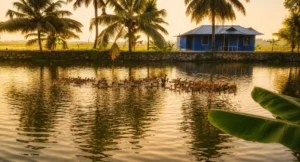
Rather than functioning purely as a tourism landscape, the region reflects how waterways continue to influence agriculture, transportation, livelihoods, and local rhythms of life across central Kerala.
For travellers moving through Kerala’s backwaters at a slower pace, experiences connected to Kuttanad often provide a deeper understanding of the environmental and cultural systems that continue to shape the region beyond the traditional houseboat experience.
Why Slower Water Travel Changes the Rhythm of the Journey
One of the defining characteristics of Kerala’s backwaters is the way movement itself becomes slower. Boat travel naturally reduces pace, creating longer periods of stillness, observation, and sensory immersion within the surrounding landscape.
Village life, coconut groves, paddy fields, fishing activity, and changing light conditions gradually become part of the experience rather than background scenery viewed in transit.
For many travellers, this slower rhythm becomes one of the most restorative phases of the Kerala journey, particularly after road travel through hill regions and forests.
Carefully designed backwater experiences therefore work best when approached not as entertainment-heavy tourism activities, but as quieter spaces for environmental immersion and recovery.
Days 9–10: Ayurveda, Recovery & Coastal Relaxation
Why Kerala Works Naturally for Wellness Travel
Kerala has long been associated with Ayurveda traditions, slower healing environments, and wellness-oriented travel experiences shaped by climate, vegetation, seasonal rhythms, and regional therapeutic systems.
Unlike wellness tourism destinations built primarily around resort infrastructure, Kerala’s relationship with Ayurveda remains closely connected to broader cultural and medical traditions that continue to operate across the state today.
The calmer pacing of the final stage of the itinerary also creates a more suitable environment for travellers seeking rest, reflection, and recovery before concluding the journey.
Ayurveda Beyond Spa Tourism
For many international travellers, Kerala offers one of the most accessible introductions to structured Ayurveda experiences ranging from relaxation-oriented therapies to more physician-guided Panchakarma programmes.
However, authentic Ayurveda in Kerala is often more complex than conventional spa tourism because treatment planning, dietary adjustments, consultation processes, and recovery pacing all influence the experience significantly.
This distinction becomes especially important for travellers interested in deeper wellness experiences rather than short-term relaxation alone.
Carefully selecting environments that prioritise treatment integrity, quieter surroundings, and appropriate pacing often creates a more meaningful wellness journey overall.
Ending the Journey with Rest Rather Than Rush
Many itineraries end with intensified sightseeing or unnecessary transit schedules, but Kerala often works best when the journey concludes more gently.
Incorporating slower coastal environments, wellness-oriented stays, or quieter backwater settings during the final days allows travellers time to absorb the overall experience more gradually.
For wellness-oriented and slow luxury travellers in particular, this softer ending often creates a stronger sense of balance between exploration and recovery.
Rather than functioning simply as the final stop of the itinerary, the last phase of the Kerala journey becomes an intentional transition back toward everyday life.
Best Time to Follow a 10-Day Kerala Itinerary
November to February: Cooler Travel Season
For many travellers, the period between November and February offers some of the most comfortable conditions for following a 10-day Kerala itinerary.
Cooler temperatures, lower humidity, calmer seas, and clearer skies make this season particularly suitable for combining coastal regions, highlands, backwaters, and cultural exploration within a single journey.
This period is also well suited for travellers seeking slower outdoor experiences, plantation stays, wildlife regions, and more comfortable transit conditions across Kerala’s varied landscapes.
Monsoon Kerala & Ayurveda Travel
The monsoon season introduces a dramatically different atmosphere across Kerala. Heavy rainfall transforms the state’s landscapes into lush green environments, while mist-covered hills, quieter waterways, and reduced tourist movement create a more introspective travel experience.
Monsoon periods are also traditionally associated with certain Ayurveda programmes because the cooler climate and seasonal conditions are often considered beneficial for structured wellness therapies and Panchakarma treatments within Ayurvedic practice.
For travellers interested in slower wellness-focused journeys, monsoon Kerala can offer a quieter and more immersive atmosphere compared to peak tourism seasons.
Summer Considerations in Kerala
The summer months, particularly between March and May, can bring higher temperatures and humidity levels across many parts of Kerala, especially in coastal regions. However, elevated destinations such as Munnar and parts of the Western Ghats generally remain cooler than the lowlands.
For travellers planning Kerala during warmer months, slower pacing, reduced transit intensity, and thoughtful accommodation selection become particularly important in maintaining overall travel comfort.
Travel Pace, Distances & Practical Considerations
Why Overloading Kerala Routes Reduces the Experience
One of the most common itinerary mistakes in Kerala is attempting to include too many destinations within limited time. Although the state appears geographically compact, road travel often takes longer than expected because of mountain terrain, regional traffic conditions, monsoon weather, and slower highway infrastructure.
Attempting to cover excessive distances can reduce opportunities for meaningful engagement with Kerala’s landscapes and cultural environments while increasing overall travel fatigue.
Thoughtfully paced itineraries therefore prioritise continuity, balance, and recovery time rather than maximising destination count alone.
Understanding Kerala’s Road Travel Realities
Road journeys form an important part of the Kerala travel experience, particularly when moving between coastlines, hill regions, forests, and backwaters.
However, travellers unfamiliar with South India often underestimate the physical intensity of repeated long drives, especially through mountain roads and winding highland routes.
Careful sequencing of destinations helps reduce unnecessary backtracking while creating smoother geographical transitions throughout the itinerary.
Balancing Exploration with Recovery Time
Kerala is often experienced most meaningfully when space is left for slower observation, environmental immersion, and unscheduled moments within the journey itself. Over-structuring every day can reduce the atmosphere that makes the region distinctive in the first place.
Balancing cultural exploration, nature experiences, wellness integration, and quieter recovery periods often produces a more immersive and sustainable Kerala travel experience overall.
Luxury Travel in Kerala: What Actually Matters
Privacy, Space & Environmental Quality
Luxury travel in Kerala is often most meaningful when it prioritises atmosphere, environmental quality, and pace rather than excessive scheduling or visual extravagance alone.
The state’s strongest luxury experiences are frequently shaped by quieter landscapes, slower rhythms, and properties integrated naturally into coastal, plantation, forest, or backwater environments.
For many travellers, privacy and spatial calm become particularly valuable after extended transit, intensive sightseeing, or fast-paced urban travel elsewhere in India.
Smaller heritage properties, plantation retreats, waterfront stays, and environmentally sensitive resorts often create a stronger sense of place than larger conventional hospitality environments.
This slower interpretation of luxury aligns naturally with Kerala’s geography, where climate, greenery, water systems, and landscape transitions already encourage more restorative forms of travel.
Heritage Stays vs Conventional Resorts
One of Kerala’s distinctive strengths lies in the diversity of accommodation experiences available across the state.
Heritage waterfront stays in Fort Kochi, plantation bungalows in the highlands, forest-edge lodges in Thekkady, and quieter backwater properties all create different relationships with the surrounding environment.
For culturally curious travellers, heritage-oriented stays often provide stronger regional character and deeper contextual connection than highly standardised resort environments.
Architecture, local materials, food traditions, landscape integration, and slower service rhythms frequently contribute more to the experience than luxury branding alone.
This becomes especially important in Kerala because accommodation often shapes the emotional tone of the journey itself rather than functioning solely as a place to stay between sightseeing activities.
Why Thoughtful Pacing Defines Luxury Travel
In Kerala, luxury is often experienced less through excess and more through intentional pacing.
Reducing unnecessary transit, avoiding over-scheduled itineraries, allowing time for recovery, and creating smoother geographical transitions can significantly improve the quality of the overall journey.
For wellness-oriented travellers in particular, thoughtful pacing helps maintain balance between exploration, rest, and sensory immersion.
Experiences such as backwater travel, plantation environments, Ayurveda integration, and slower cultural exploration are often most rewarding when travellers are not moving continuously between destinations.
A well-structured Kerala itinerary therefore approaches luxury through calmness, continuity, environmental immersion, and personalised rhythm rather than intensive activity alone.
Who This Kerala Itinerary Is Best Suited For
Couples Seeking Slow Travel
This 10-day Kerala itinerary works particularly well for couples seeking slower and more immersive travel experiences rather than highly structured sightseeing schedules.
The gradual transitions between coastal heritage districts, mountain landscapes, forests, backwaters, and wellness-oriented environments create a journey that feels balanced and restorative without becoming repetitive.
The quieter pacing of the route also allows more space for unstructured exploration, slower dining experiences, landscape immersion, and recovery time throughout the journey.
Wellness & Recovery-Oriented Travellers
Travellers interested in wellness-focused journeys often find Kerala especially suitable because of the state’s natural relationship with Ayurveda, slower travel environments, and climate-driven rhythms.
Incorporating quieter stays, reduced transit intensity, and optional wellness experiences into the itinerary helps create a more restorative overall travel experience.
Rather than approaching wellness as an isolated retreat experience alone, Kerala allows recovery, nature, cultural immersion, and slower exploration to coexist more organically within the journey itself.
Culturally Curious First-Time India Visitors
For many first-time visitors to India, Kerala offers one of the most accessible introductions to the country because of its combination of hospitality, regional diversity, strong tourism infrastructure, and relatively relaxed pace compared to larger metropolitan regions.
The route also provides exposure to multiple dimensions of South India, including maritime history, plantation landscapes, spice traditions, ecological diversity, Ayurveda culture, and backwater communities, without creating excessive travel complexity within a limited timeframe.
For travellers seeking a more balanced and immersive introduction to South India, Kerala often provides a strong combination of cultural depth, environmental diversity, and manageable pacing.
Closing
A thoughtfully structured 10-day Kerala itinerary is less about covering the maximum number of destinations and more about experiencing how Kerala’s landscapes, culture, wellness traditions, and slower rhythms connect together.
From Fort Kochi’s maritime heritage and Munnar’s highlands to Thekkady’s forests and the backwaters of Kumarakom, each region gradually shifts the pace and atmosphere of the journey itself.
For travellers seeking cultural depth, ecological immersion, and slower luxury travel in South India, Kerala offers a rare balance between heritage, nature, wellness, and thoughtful pacing.
Travellers interested in how journeys like these are carefully structured may also explore our article on How We Design Bespoke South India Journeys That Have Never Been Run Before.
Related Blogs
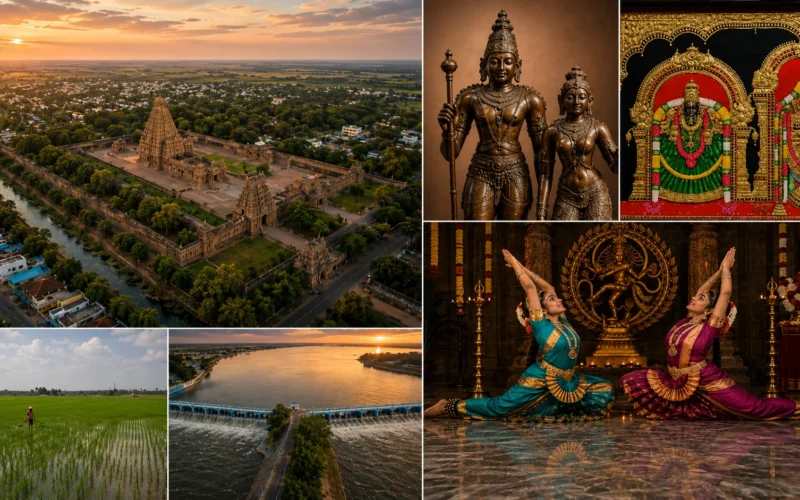
Thanjavur Beyond Brihadeeswara Temple: Exploring the Cultural Heart of the Cauvery Delta
More Than a Temple City For many travellers, Thanjavur begins and ends with Brihadeeswara Temple. The soaring vimana, vast courtyards,…
Read More ›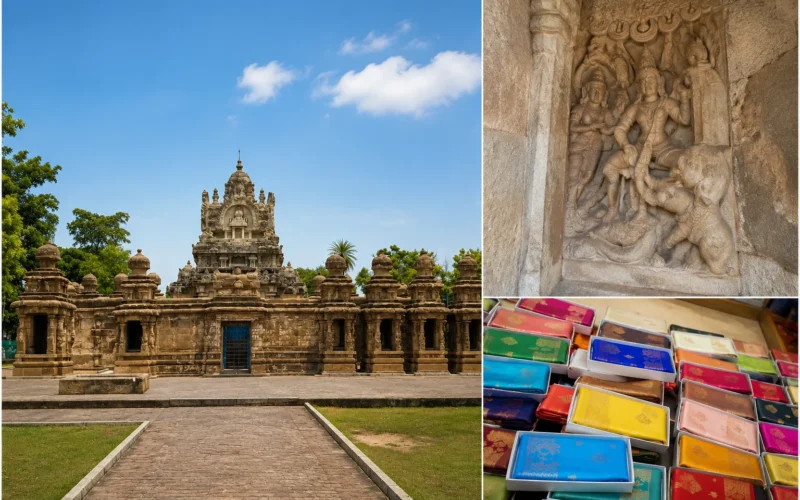
Kanchipuram: Sacred Architecture and Living Traditions
More Than the City of a Thousand Temples Kanchipuram is often introduced as the “City of a Thousand Temples.” While…
Read More ›