
Periyar Tiger Reserve Activities Guide: Eco Tourism, Bamboo Rafting & Nature Experiences in Kerala
Exploring Periyar Beyond Conventional Wildlife Tourism
Understanding Periyar Tiger Reserve Beyond Conventional Wildlife Tourism
For many first-time visitors, Periyar is initially associated with tiger reserves, wildlife tourism, and boat safaris. However, the experience of travelling through Periyar is often far more nuanced than traditional safari-focused destinations elsewhere in India.
Situated within the protected mountain ecosystems of the Western Ghats, one of the world’s recognised biodiversity hotspots, Periyar supports a wide range of ecological habitats including evergreen forests, moist deciduous forests, grasslands, wetlands, and freshwater ecosystems.
These landscapes support elephants, gaur, sambar deer, Nilgiri langurs, birdlife, reptiles, and numerous endemic plant species that contribute to the reserve’s ecological significance.
What distinguishes Periyar from many conventional wildlife destinations is the overall rhythm of exploration. Rather than centring the entire visitor experience around wildlife sightings alone, many activities within the reserve focus on slower movement, environmental interpretation, and immersion within forest landscapes themselves.
The experience therefore becomes less about “checking off sightings” and more about observing the atmosphere of the forest, changing light conditions across the lake, mist moving through the trees, distant bird calls, guided walks through forest trails, and the gradual silence that emerges deeper inside protected natural environments.
This slower approach aligns particularly well with travellers seeking more restorative, reflective, and environmentally conscious forms of travel within Kerala.
How Kerala Forest Department Shapes Eco Tourism in Periyar
One of the defining aspects of tourism within Periyar Tiger Reserve is the role played by the Kerala Forest Department in shaping many of the reserve’s eco-tourism and conservation-linked visitor experiences.
Unlike highly commercial tourism zones where visitor access is largely unrestricted, Periyar’s tourism structure has been developed with greater emphasis on ecological protection, regulated access, community participation, and conservation awareness.
Many activities within the reserve are therefore designed not only to provide visitor experiences, but also to support environmental education and sustainable forest management.Several eco-tourism initiatives operating within Periyar are guided in collaboration with trained local communities, eco-development committees, and forest personnel.
This creates opportunities for local livelihood participation while simultaneously encouraging more responsible forms of tourism within protected landscapes.
Experiences such as bamboo rafting, nature walks, guided trekking programmes, and forest interpretation activities are typically conducted under structured environmental guidelines intended to minimise ecological disturbance while increasing visitor understanding of the region’s biodiversity and conservation challenges.
For travellers, this creates a noticeably different atmosphere compared to conventional mass tourism environments. Movement through the reserve often feels quieter, more controlled, and more closely connected to the surrounding ecology rather than entertainment-driven tourism alone.
As responsible and sustainability-focused travel becomes increasingly important globally, Periyar’s eco-tourism model offers a meaningful example of how conservation and visitor experiences can coexist more thoughtfully within sensitive forest ecosystems.
Bamboo Rafting in Periyar: One of Kerala’s Most Immersive Forest Experiences
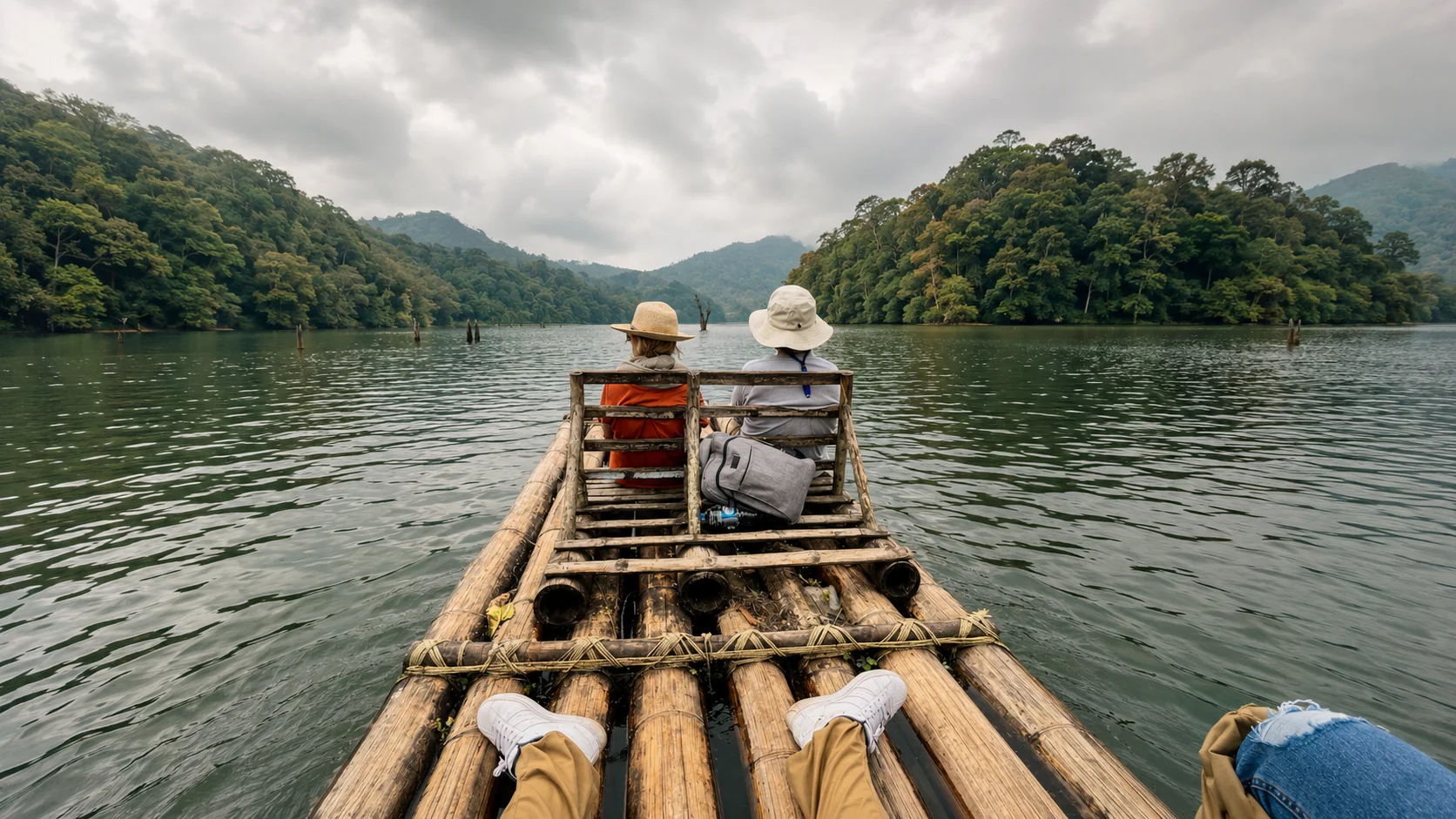
Among the various eco-tourism experiences available within Periyar Tiger Reserve, bamboo rafting remains one of the most immersive ways to experience the reserve’s forest and lake ecosystems.
Unlike conventional sightseeing boat rides, bamboo rafting combines guided forest exploration with slower movement across the calm waters of Periyar Lake. The experience typically begins with a guided trek through protected forest areas before transitioning onto traditional bamboo rafts that move quietly across sections of the lake surrounded by forested hills and grasslands.
The slower pace of the rafting experience significantly changes the way travellers engage with the landscape. Without the noise and speed associated with larger motorised tourism activities, visitors become more aware of the subtle environmental details surrounding them, bird calls echoing through the forest, shifting mist across the hills, reflections on the water, and occasional wildlife movement along the shoreline.
For many travellers, the appeal of bamboo rafting lies less in the expectation of dramatic wildlife sightings and more in the overall atmosphere of stillness and immersion it creates within the reserve. The experience encourages observation, patience, and quiet interaction with the surrounding environment rather than fast-paced tourism consumption.
This slower ecological rhythm aligns especially well with Lux Crafter’s approach toward thoughtful, nature-oriented travel experiences that prioritise environmental connection, sensory immersion, and responsible exploration over crowded sightseeing formats.
Because visitor numbers are generally controlled and guided within designated areas, bamboo rafting also represents one of the more environmentally sensitive ways of experiencing Periyar’s protected landscapes.
Nature Walks & Green Walks Through the Western Ghats
Beyond lake-based experiences, Periyar also offers guided forest walking programmes that allow travellers to experience the ecological richness of the Western Ghats more closely and at a slower pace.
Activities such as Nature Walks and Green Walks focus less on physical adventure and more on environmental interpretation, biodiversity awareness, and immersive forest observation. Accompanied by trained guides, visitors move through carefully selected forest routes while learning about local flora, birdlife, forest ecology, medicinal plants, and the broader environmental significance of the region.
Unlike rushed sightseeing experiences where landscapes are primarily viewed from vehicles, guided walking programmes create a much more sensory form of travel. The forest gradually reveals itself through sounds, textures, changing light conditions, and subtle ecological details that are often missed during faster movement.
For travellers interested in wellness-oriented journeys, these slower walking experiences can also feel mentally restorative. Reduced noise, limited digital distractions, and the natural rhythm of walking through protected forest environments often create a calmer and more grounding travel experience.
Because these activities operate within regulated eco-tourism frameworks, they also help encourage more responsible visitor behaviour within sensitive ecological zones while supporting conservation-linked tourism initiatives managed in collaboration with local communities and forest authorities.
Border Hiking & Deeper Forest Exploration Experiences
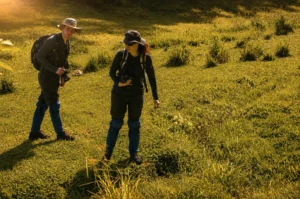
For travellers seeking deeper immersion within Kerala’s forest landscapes, Periyar also offers longer trekking and border hiking programmes that extend beyond standard sightseeing routes.
These guided experiences move through more remote sections of the reserve and surrounding forest regions, often covering grasslands, elevated viewpoints, forest corridors, and protected wilderness areas near the Tamil Nadu–Kerala border landscapes. Compared to shorter walking programmes, these hikes involve greater physical activity and longer durations, making them better suited to active travellers comfortable with extended outdoor exploration.
What makes these experiences particularly compelling is the opportunity to encounter the Western Ghats in a quieter and less commercialised way. Rather than focusing solely on wildlife viewing, the experience centres around immersion within vast forest ecosystems, changing terrain, ecological observation, and the gradual unfolding of the landscape itself.
The slower progression through these protected environments allows travellers to appreciate the scale, silence, and biodiversity of the reserve far more intimately than conventional tourism formats typically allow.
Mist-covered valleys, forest clearings, grasslands, and distant mountain ridges become part of a broader environmental experience shaped by movement, stillness, and observation.
Because these programmes operate under regulated eco-tourism structures, guided trekking experiences also help reinforce responsible access to ecologically sensitive landscapes while supporting conservation-oriented tourism practices within the reserve.
Community & Cultural Experiences Around Thekkady
While Periyar Tiger Reserve is primarily recognised for its forest ecosystems and eco-tourism initiatives, the surrounding regions of Thekkady also reflect long-standing cultural traditions shaped by life around the forests, plantations, and hill communities of Kerala’s high ranges.
Several community-linked programmes around Periyar introduce travellers to local cultural expressions, indigenous traditions, and forms of knowledge that remain closely connected to the surrounding environment. These experiences may include traditional art performances, local storytelling traditions, spice cultivation practices, or community-led tourism initiatives developed alongside eco-tourism programmes.
When approached respectfully, these cultural experiences add an important human dimension to the journey through Periyar. Rather than functioning as entertainment alone, they help travellers better understand the relationship between local communities, conservation landscapes, and the ecological rhythms that shape everyday life in the region.
Thekkady’s broader cultural identity is also influenced by Kerala’s long-standing spice trade history. Cardamom, pepper, cinnamon, clove, and other spices cultivated across the surrounding hills continue to shape the sensory character of the region through plantation landscapes, local cuisine, and agricultural livelihoods.
For slower travellers, these quieter cultural interactions often become an important counterbalance to sightseeing-heavy itineraries, allowing for more grounded and contextual experiences within Kerala’s highland environments.
Why Slower Forest Travel Creates a Different Kerala Experience
One of the most distinctive aspects of travelling through Periyar is the gradual shift in pace that naturally occurs within forest environments. Unlike highly compressed itineraries built around constant movement and rapid sightseeing, slower forest travel encourages longer periods of observation, silence, and reduced sensory overload.
In Periyar, travel experiences are often shaped less by speed and more by rhythm, walking through forest trails, drifting quietly across the lake, listening to birdsong, observing changing weather patterns, or simply spending time within quieter natural surroundings. These moments of stillness can significantly alter the emotional experience of travel itself.
For many travellers, especially those arriving from highly urban or digitally saturated environments, forest-based travel creates a sense of mental decompression that is difficult to replicate within more conventional tourism settings. The reduced pace allows the surrounding landscape to become part of the experience rather than scenery viewed passively in transit.
This slower rhythm also aligns naturally with Kerala’s broader reputation for wellness-focused travel. Travellers interested in restorative journeys often find that experiences combining forests, water, quieter accommodation environments, and reduced travel intensity create a more balanced and sustainable form of exploration.
For those interested in Kerala’s wellness traditions, exploring Kerala’s wellness-focused travel environments can also complement slower nature-based itineraries alongside more structured Ayurveda experiences.
How to Include Periyar Within a Well-Paced Kerala Itinerary
Periyar is most rewarding when incorporated into a Kerala itinerary at a pace that allows travellers to experience both the forest environment and the surrounding highland landscapes without excessive transit pressure.
Periyar is often incorporated into thoughtfully paced Kerala journeys that combine hill regions, forests, backwaters, and cultural destinations across the state. Many Kerala routes begin in culturally layered destinations such as Fort Kochi before gradually transitioning into tea-growing highlands, protected forest landscapes, and quieter backwater regions.
Within many thoughtfully designed Kerala routes, Periyar is commonly combined with destinations such as Munnar, Kumarakom, Alleppey, or Fort Kochi. The transition from tea-growing hill regions into protected forest landscapes and eventually toward Kerala’s quieter backwater systems creates a more balanced travel rhythm across different environments.
Rather than approaching Thekkady as a rushed one-night stop focused only on sightseeing activities, travellers often benefit from spending at least two nights in the region. This allows time for slower eco-tourism experiences such as bamboo rafting, guided nature walks, cultural programmes, spice plantation visits, and quieter moments within the surrounding landscape itself.
For travellers interested in slower luxury experiences, combining Munnar’s tea landscapes, Periyar’s forest immersion, and Kumarakom’s calmer backwater environments often creates one of the most balanced travel routes through Kerala.
Periyar also works particularly well within itineraries focused on:
- wellness-oriented travel,
- eco-tourism,
- photography,
- birdwatching,
- cultural immersion,
- and slower exploration of South India’s natural landscapes.
Carefully pacing these transitions between mountains, forests, and waterways helps prevent travel fatigue while creating a more immersive and restorative overall journey experience.
Responsible Travel Guidelines for Visiting Protected Forest Areas
Travelling through protected ecological landscapes such as Periyar Tiger Reserve also carries an important responsibility toward environmental preservation and respectful visitor behaviour.
Because the reserve functions as an active conservation landscape supporting fragile ecosystems and wildlife habitats, maintaining low-impact travel practices becomes essential for protecting the long-term ecological balance of the region.
Visitors can contribute positively to responsible tourism within Periyar by following basic environmental principles such as:
- minimising noise,
- avoiding litter,
- respecting designated movement zones,
- reducing plastic waste,
- and maintaining appropriate distance from wildlife.
Equally important is recognising that forest experiences are not designed solely around wildlife sightings. Patience, observation, and respect for the natural environment often lead to more meaningful experiences than attempting to aggressively pursue animal encounters or highly commercialised tourism expectations.
Travellers should also remain conscious of the role local communities and conservation authorities play in protecting these landscapes. Supporting regulated eco-tourism programmes, community-linked initiatives, and environmentally responsible operators helps strengthen sustainable tourism models that benefit both conservation efforts and local livelihoods.
As global tourism increasingly places pressure on sensitive ecosystems, slower and more conscious forms of travel become increasingly important for preserving destinations such as Periyar for future generations.
Experiencing Kerala Through Forest, Water & Slower Movement
For many travellers, the experience of Periyar is remembered less through individual activities and more through the atmosphere the landscape creates, mist moving across the forests in the early morning, quiet movement across the lake, distant sounds within the trees, and the gradual slowing of everyday pace.
In a state often celebrated for its backwaters, beaches, and hill stations, Periyar introduces another dimension of Kerala travel, one rooted in ecological immersion, conservation awareness, and slower engagement with nature itself.
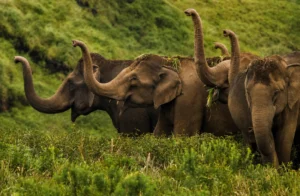
Rather than functioning as a fast-paced sightseeing destination, Periyar rewards travellers who approach the region with patience, curiosity, and openness toward quieter forms of exploration.
Forest trails, lake systems, biodiversity, cultural interactions, and slower movement collectively create experiences that feel more reflective and restorative than conventional tourism formats.
For travellers seeking a more balanced Kerala journey shaped by nature, wellness, culture, and thoughtful pacing, Periyar often becomes one of the most grounding and memorable phases of the itinerary.
Within carefully designed Kerala experiences, the forests of Periyar are not simply places to visit, they become environments that gradually reshape the rhythm of the journey itself.
Related Blogs
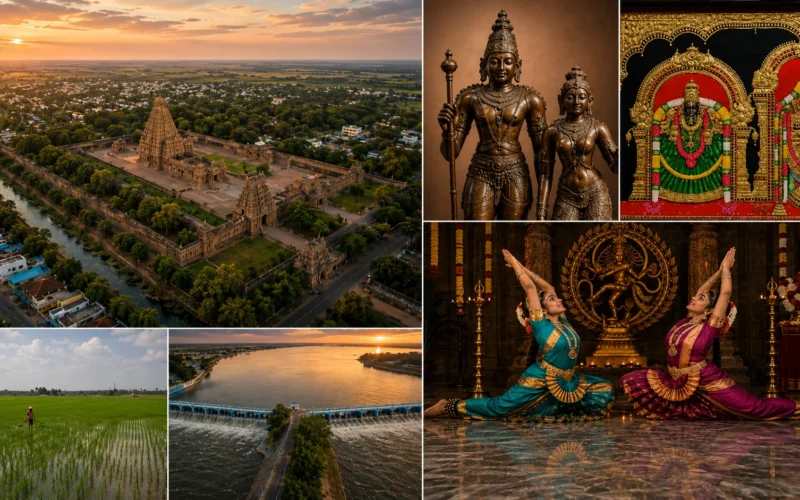
Thanjavur Beyond Brihadeeswara Temple: Exploring the Cultural Heart of the Cauvery Delta
More Than a Temple City For many travellers, Thanjavur begins and ends with Brihadeeswara Temple. The soaring vimana, vast courtyards,…
Read More ›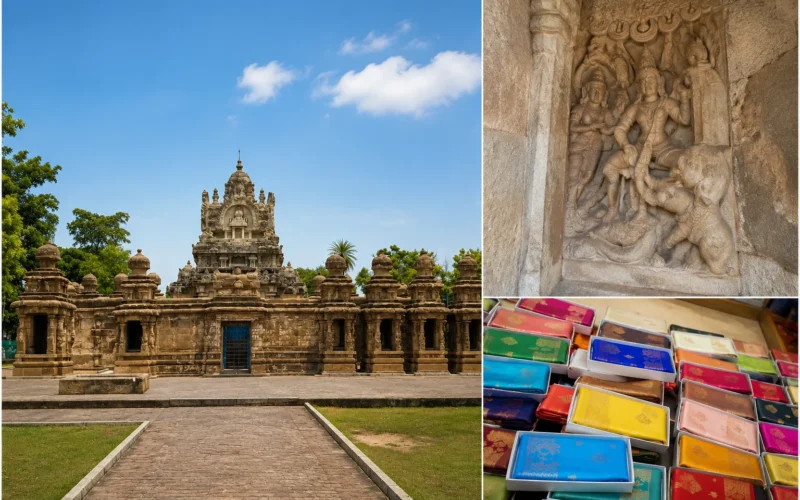
Kanchipuram: Sacred Architecture and Living Traditions
More Than the City of a Thousand Temples Kanchipuram is often introduced as the “City of a Thousand Temples.” While…
Read More ›