
Kumarakom vs Alleppey: Which Kerala Backwater Experience Is Right for You?
Two Different Rhythms of Kerala’s Backwaters
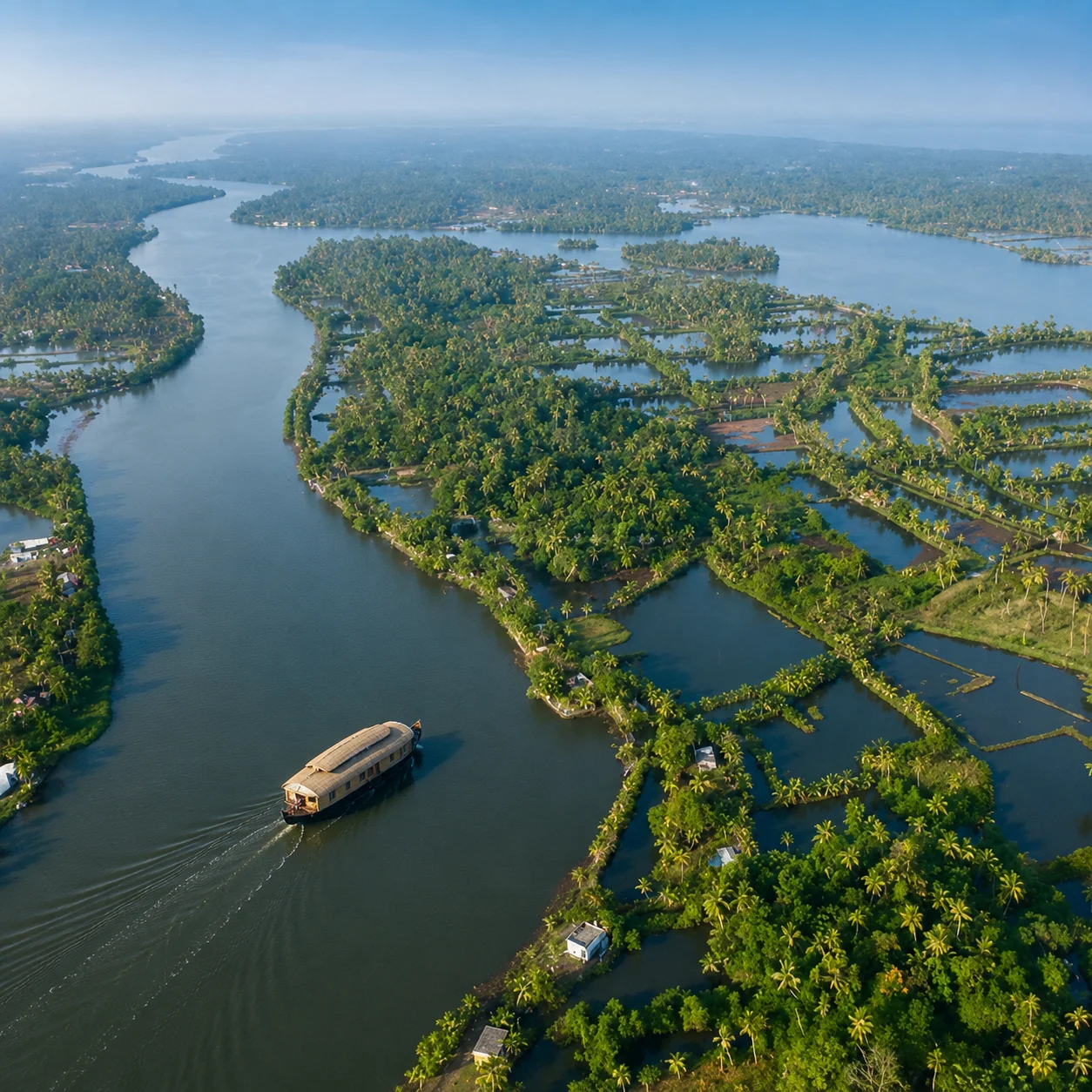
Kerala’s backwaters are often imagined as a single experience, calm waters, swaying coconut palms, traditional houseboats, and quiet village landscapes unfolding slowly across the waterways. But travellers planning a backwater journey soon discover that the two most popular destinations, Kumarakom and Alleppey, offer distinctly different experiences despite sharing the same larger ecosystem.
While Alleppey is known for its lively canal networks, traditional houseboat culture, and immersive village atmosphere, Kumarakom feels slower, quieter, and more closely associated with luxury lakeside stays, birdlife, and restorative travel experiences.
Both destinations are located along the Vembanad Lake system, yet the rhythm of travel, landscape character, and overall atmosphere differ significantly between the two.
For travellers planning a Kerala itinerary, the question is often not which destination is “better,” but which experience aligns more closely with their travel style.
Understanding Kerala’s Backwaters
Kerala’s backwaters form an interconnected network of lakes, canals, lagoons, rivers, and village waterways stretching across large sections of the state’s coastline and inland regions. These waterways have historically functioned as transport routes, fishing zones, agricultural systems, and cultural lifelines for local communities.
The Vembanad Lake, the largest lake in Kerala, connects both Kumarakom and Alleppey, creating the wider ecological landscape associated with Kerala’s backwater tourism.
Today, travellers experience the backwaters through houseboat cruises, village canoe rides, lakeside resorts, and slower journeys through Kerala’s waterside landscapes.
Kumarakom vs Alleppey at a Glance
| Feature | Alleppey | Kumarakom |
|---|---|---|
| Atmosphere | Active & immersive | Quiet & restorative |
| Landscape Style | Narrow canals & village waterways | Open lake views & wetlands |
| Best Known For | Traditional houseboats | Luxury lakeside resorts |
| Ideal For | First-time Kerala visitors | Slow luxury travellers |
| Travel Rhythm | More movement | Slower pace |
| Crowd Levels | Busier | Less crowded |
| Nature Experience | Canal life & local culture | Birdlife & lake ecology |
| Stay Style | Houseboat-focused | Resort-focused |
Atmosphere & Travel Style
The most noticeable difference between Alleppey and Kumarakom is the atmosphere each destination creates.
Alleppey: Kerala’s Classic Backwater Experience
Alleppey, also known as Alappuzha, is often considered the heart of Kerala’s traditional houseboat culture. The waterways here feel active and immersive, with houseboats moving through narrow canals lined by village homes, paddy fields, coconut groves, temples, local ferries, and fishing communities.
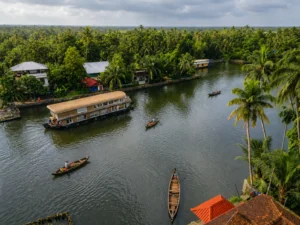
The experience feels closely connected to everyday life along the waterways. Travellers passing through Alleppey often encounter children waving from canal banks, local boats transporting goods, and glimpses of village life unfolding beside the water.
Because of its popularity, Alleppey also feels busier compared to Kumarakom, particularly during peak travel seasons.
For first-time visitors seeking the classic Kerala backwater atmosphere, Alleppey often delivers the most recognisable experience.
Kumarakom: Slower, Quieter & More Restorative
Kumarakom offers a very different rhythm. Located along the quieter sections of Vembanad Lake, the landscape here feels more spacious, slower, and less crowded.
Instead of narrow canal movement, Kumarakom is characterised by open water views, wetlands, migratory bird habitats, and luxury lakeside environments designed for slower travel experiences.
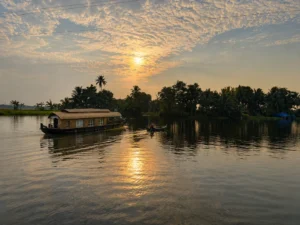
The atmosphere is calmer and more reflective, making Kumarakom particularly attractive for travellers seeking:
- privacy,
- wellness-oriented stays,
- quieter surroundings,
- and longer periods of relaxation.
Rather than focusing entirely on movement through canals, Kumarakom encourages travellers to experience the backwaters more gradually through resort stays, sunset cruises, birdwatching, and lakeside immersion.
Houseboat Experience: Kumarakom vs Alleppey
Houseboats remain one of the defining experiences of Kerala’s backwaters, but the cruising atmosphere differs significantly between the two destinations.
Houseboats in Alleppey
Alleppey offers the widest variety of houseboat experiences in Kerala. Travellers can choose from:
- day cruises,
- overnight houseboats,
- budget boats,
- premium cruises,
- and luxury floating villas.
The canal density around Alleppey creates a more immersive cruising environment, where boats move through narrow waterways closely connected to village life and local activity.
This creates the classic visual imagery many travellers associate with Kerala’s backwaters.
However, the popularity of Alleppey also means certain routes can become crowded during peak periods.
Houseboats in Kumarakom
Kumarakom’s houseboat experience feels more spacious and lake-oriented. Cruises here often move through wider stretches of Vembanad Lake, quieter waterways, and less congested sections of the backwaters.
The emphasis is generally less on movement through busy canals and more on slower scenic cruising within calmer environments.
Houseboats in Kumarakom also tend to position themselves toward the premium and luxury segment, often integrating private dining, quieter routes, and resort-linked experiences.
For travellers prioritising:
- privacy,
- quieter cruising,
- and slower lake experiences,
Kumarakom often feels more refined.
Luxury Stay Experience
One of the biggest differences between Kumarakom and Alleppey lies in the style of accommodation surrounding the backwaters.
Kumarakom: Kerala’s Luxury Backwater Retreat
Kumarakom has evolved into one of Kerala’s strongest destinations for luxury lakeside hospitality. The area is known for:
- upscale resorts,
- private villas,
- wellness retreats,
- Ayurvedic programs,
- and quieter hospitality environments integrated into nature.
Many travellers visiting Kumarakom spend more time inside the resort environment itself, using the destination as a place for slower recovery and environmental immersion.
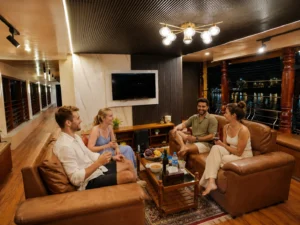
The combination of lake views, birdlife, quieter landscapes, and slower pacing makes Kumarakom particularly attractive for:
- couples,
- wellness travellers,
- luxury travellers,
- and slower itineraries.
Alleppey: Houseboat-Centric Experiences
While Alleppey also offers resorts and boutique stays, the destination remains more strongly associated with the houseboat experience itself.
Accommodation here tends to focus more on:
- accessibility,
- variety,
- and active movement through the waterways.
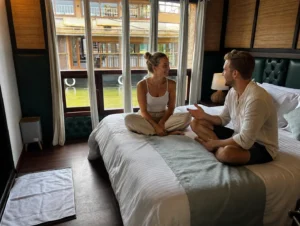
Travellers who prioritise:
- shorter backwater experiences,
- overnight cruises,
- and immersive canal journeys
often prefer Alleppey.
Scenic Character & Landscape Experience
Although both destinations belong to the same larger backwater ecosystem, the landscapes feel visually different.
Alleppey
Alleppey’s waterways feel narrower, greener, and more active. The scenery is shaped by:
- interconnected canals,
- coconut-lined waterways,
- village settlements,
- paddy fields,
- and continuous boat movement.
The visual atmosphere feels intimate and culturally immersive.
Kumarakom
Kumarakom feels more open and expansive. The scenery is defined by:
- wide lake horizons,
- wetlands,
- bird habitats,
- quieter waters,
- and slower environmental transitions.
Sunrise and sunset reflections across Vembanad Lake create a calmer and more restorative atmosphere compared to Alleppey’s more active canal environments.
Which Destination Suits Different Travellers?
| Traveller Type | Better Choice |
|---|---|
| First-time Kerala visitors | Alleppey |
| Luxury travellers | Kumarakom |
| Wellness & relaxation | Kumarakom |
| Traditional houseboat experience | Alleppey |
| Birdwatchers & nature lovers | Kumarakom |
| Cultural immersion | Alleppey |
| Short overnight backwater trip | Alleppey |
| Slow travel itineraries | Kumarakom |
| Couples seeking privacy | Kumarakom |
| Photography & village life | Alleppey |
Lesser-Known Experiences Around Kumarakom & Alleppey
Beyond the classic houseboat routes, Kerala’s backwater region also hides quieter landscapes that remain largely untouched by mainstream tourism. These lesser-known corners of Vembanad Lake reveal a slower and more intimate side of Kerala’s waterways.
Malarikkal Village
During the post-monsoon months, the wetlands around Malarikkal transform into vast pink lily-covered landscapes, creating one of Kerala’s most visually striking seasonal phenomena. Early morning canoe rides through the blooming wetlands offer a quieter and more immersive experience compared to the busier backwater circuits.
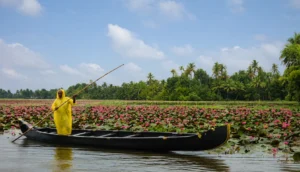
Located near Kottayam, Malarikkal is easily accessible from Kumarakom and works well as a seasonal detour for travellers exploring the region between August and September.
Kakkathuruthu Island
Known for its dramatic sunsets and slower pace of life, Kakkathuruthu Island offers a more isolated backwater experience away from the main tourism belt. Narrow waterways, small village homes, fishing activity, and uninterrupted lake views create a setting that feels distinctly removed from Kerala’s busier travel circuits.
The island is accessible only by small local boats, adding to its sense of remoteness and quiet authenticity.
Pathiramanal Island
Situated in the middle of Vembanad Lake, Pathiramanal Island remains one of the region’s most peaceful birding environments. Dense greenery, narrow walking paths, and seasonal migratory birds make it particularly appealing for travellers interested in nature-focused experiences beyond standard houseboat itineraries.
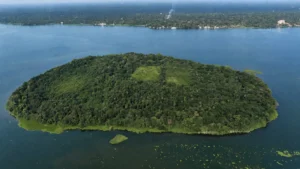
The island can only be reached by boat from Kumarakom or Alleppey.
Thumpoly Beach
For travellers seeking a quieter coastal atmosphere, Thumpoly Beach offers a calmer alternative to Alleppey’s more active beachfront areas. The shoreline remains relatively uncrowded, with fishing activity, coconut groves, and long stretches of sand creating a slower and more local coastal environment.
Kainakary Village
Kainakary reveals a more traditional side of Kerala’s canal life, where waterways continue to function as everyday transport routes for local communities.
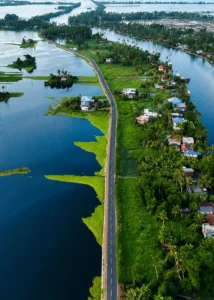
Kayaking through its narrow canals offers close interaction with village life, paddy landscapes, small wooden bridges, and waterside homes that remain deeply connected to the rhythms of the backwaters.
Sustainability & Responsible Backwater Travel
As Kerala’s backwaters continue growing as a tourism destination, responsible travel practices have become increasingly important.
Travellers choosing:
- eco-conscious houseboats,
- smaller cruising experiences,
- quieter routes,
- and environmentally responsible stays
can help reduce pressure on fragile backwater ecosystems.
Longer and slower stays often create more meaningful engagement with Kerala’s waterways than highly rushed itineraries focused only on sightseeing.
For travellers interested in sustainable and slower travel experiences, both Kumarakom and Alleppey offer opportunities to explore Kerala’s backwaters more thoughtfully.
Can You Combine Kumarakom & Alleppey in One Trip?
Yes, many well-planned Kerala itineraries combine both Kumarakom and Alleppey to experience different sides of the backwaters.
A journey may begin with the quieter lakeside atmosphere of Kumarakom, where travellers spend time in wellness resorts, bird-rich wetlands, and slower backwater environments before continuing toward Alleppey for a more immersive canal-based houseboat experience.
Because both destinations are connected through the wider Vembanad Lake ecosystem, travellers can also experience transitions between open lake landscapes and narrower village waterways during longer cruises.
Combining both destinations works particularly well for:
- luxury Kerala itineraries,
- honeymoon journeys,
- slow travel experiences,
- and travellers interested in exploring Kerala’s backwaters beyond a single overnight cruise
Many travellers also continue toward Munnar’s tea-covered highlands and scenic mountain routes after exploring Kerala’s backwaters.
Kerala’s backwater regions also connect naturally with destinations such as Thekkady (Periyar Tiger Reserve), where forest landscapes, spice plantations, and wildlife experiences introduce a different side of the Western Ghats.
Best Time to Visit Kumarakom & Alleppey
Both destinations are best experienced between October and March, when Kerala’s backwaters experience cooler weather, clearer skies, and calmer cruising conditions. During this period, houseboat journeys become more comfortable and outdoor experiences such as canoe rides, birdwatching, and lakeside stays feel significantly more enjoyable.
The monsoon season between June and September transforms the backwaters into lush green landscapes with dramatic cloud formations and quieter waterways. While rainfall can affect certain activities, this period also appeals to travellers seeking slower monsoon experiences and fewer crowds.
Kumarakom feels especially atmospheric during the monsoon due to its quieter lake environment and bird habitats, while Alleppey remains more active year-round because of its larger volume of houseboat tourism.
Accessibility & Travel Connectivity
Alleppey generally offers easier direct accessibility for travellers arriving from Kochi due to its railway connectivity and shorter transfer routes. The town is approximately 85 kilometres from Cochin International Airport and is well connected by both rail and road.
Kumarakom is located closer to Kottayam and usually requires an additional road transfer after reaching the nearest railway station. While slightly less direct compared to Alleppey, the quieter approach toward Kumarakom gradually transitions into more peaceful lake and village environments.
For shorter Kerala itineraries, many travellers prefer Alleppey for convenience, while Kumarakom is often integrated into slower luxury journeys across Kerala’s backwaters and highlands.
Final Verdict: Kumarakom or Alleppey?
There is no universal answer to whether Kumarakom or Alleppey is “better,” because both destinations offer very different interpretations of Kerala’s backwaters.
Alleppey is ideal for travellers seeking:
- classic houseboat experiences,
- active canal journeys,
- cultural immersion,
- and the traditional visual identity of Kerala’s waterways.
Kumarakom, on the other hand, suits travellers looking for:
- slower luxury,
- wellness-oriented stays,
- quieter landscapes,
- birdlife,
- and restorative lake experiences.
For many travellers, the most rewarding Kerala itineraries combine both, experiencing Alleppey’s immersive canal culture alongside Kumarakom’s slower and more spacious lake atmosphere.
Travellers combining Kerala’s backwaters with tea-covered highlands, wildlife reserves, and heritage towns can also explore our detailed 10-day Kerala itinerary across the state.
Ultimately, the right choice depends less on the destination itself and more on the kind of travel experience you want Kerala’s backwaters to offer.
FAQs
Which is better for houseboats, Kumarakom or Alleppey?
Alleppey is generally considered better for traditional canal-based houseboat experiences, while Kumarakom offers quieter and more spacious lake-oriented cruises.
Is Kumarakom more expensive than Alleppey?
In general, Kumarakom is associated with more premium resorts and luxury stays, while Alleppey offers a wider range of budget and mid-range options.
Which is less crowded?
Kumarakom is usually quieter and less crowded compared to Alleppey, especially during peak travel seasons.
Is Alleppey better for first-time visitors?
Many first-time Kerala travellers prefer Alleppey because of its classic backwater atmosphere and larger variety of houseboat experiences.
How many days are ideal for Kerala backwaters?
Most travellers spend between one and three nights exploring Kerala’s backwaters depending on whether they are focusing on houseboats, wellness stays, or slower lake experiences.
Related Blogs
Thanjavur Beyond Brihadeeswara Temple: Exploring the Cultural Heart of the Cauvery Delta
More Than a Temple City For many travellers, Thanjavur begins and ends with Brihadeeswara Temple. The soaring vimana, vast courtyards,…
Read More ›
Kanchipuram: Sacred Architecture and Living Traditions
More Than the City of a Thousand Temples Kanchipuram is often introduced as the “City of a Thousand Temples.” While…
Read More ›