
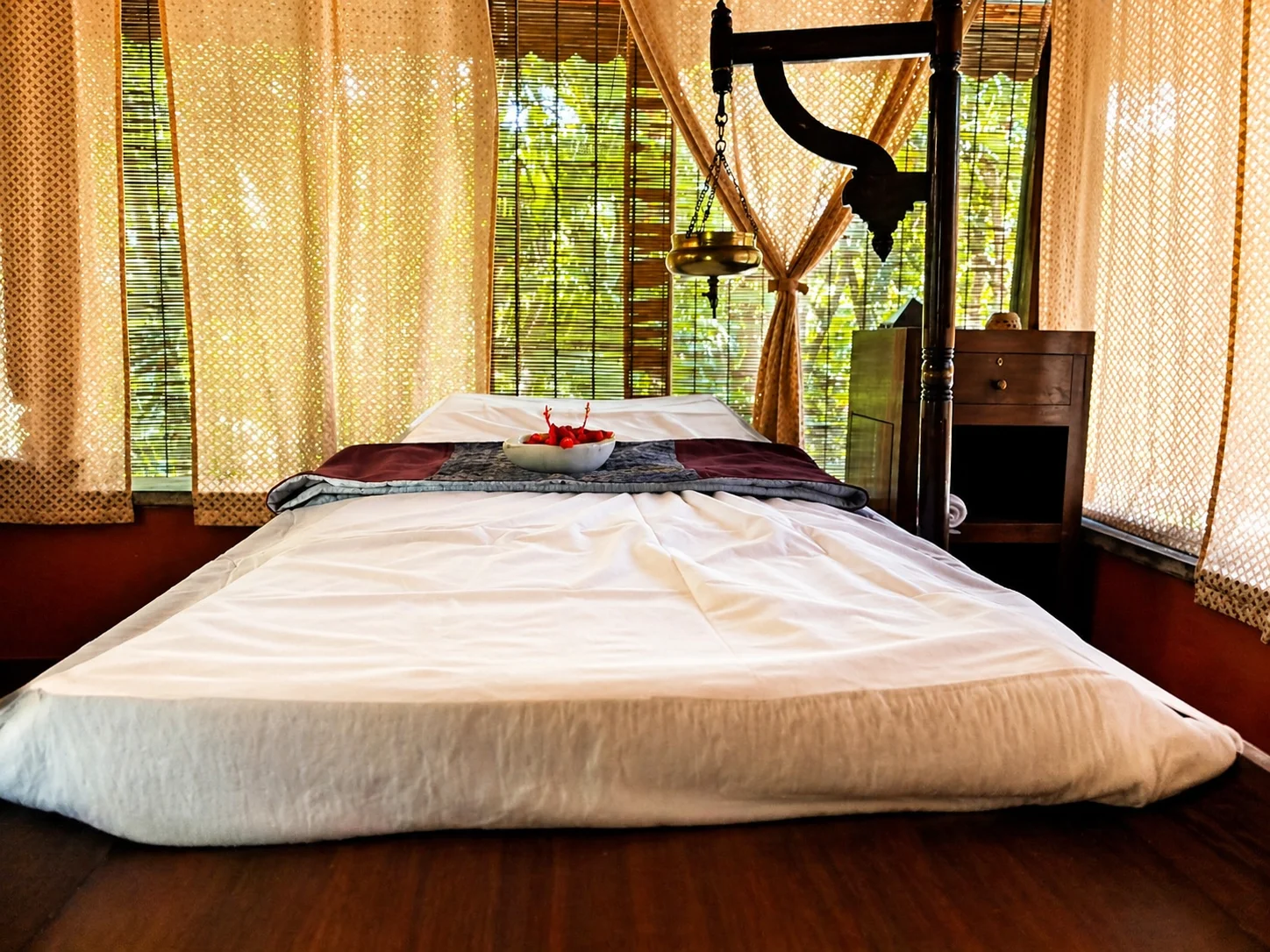
The Ultimate Kerala Ayurveda Retreat Guide – How to Choose, What to Expect, What It Costs
What Kerala Ayurveda Actually Is (And What It Is Not)
Most travellers researching a Kerala Ayurveda retreat arrive expecting a luxury spa, calming interiors, herbal oils, and a menu of relaxing therapies. What they encounter in a properly run programme is far more structured.
A genuine Kerala Ayurveda retreat in Kerala operates as a doctor-led therapeutic system, not a hospitality service with Ayurvedic elements.
Every programme begins with a consultation by a BAMS-qualified physician who evaluates your Prakriti (body type), digestion, sleep, stress patterns, and underlying imbalances. Diagnosis is holistic, symptoms are understood as part of a larger systemic pattern rather than isolated issues.
This is where Kerala stands apart within the broader Ayurveda retreat India landscape. While Ayurveda is practiced across the country, Kerala has retained its clinical discipline and practitioner lineage, supported by formal training and regulation. The result is not just theoretical authenticity, but consistency in treatment delivery.
Once diagnosed, your programme is not fixed. Treatments are prescribed and adjusted daily. Oils may be reformulated, therapies intensified or reduced, and even your Satvik diet modified based on how your body responds.
In commercial settings, Ayurveda is often reduced to individual therapies like Abhyanga massage or Shirodhara for relaxation.
In a medically supervised retreat, these are not standalone services, they are used within a broader protocol targeting digestion, toxin accumulation, and Srotas (body channels). For instance, Shirodhara is applied for nervous system regulation and sleep, not just relaxation.
This difference becomes more evident in structured programmes like Panchakarma, where preparation, detox, and recovery phases are carefully sequenced and monitored.
A true Kerala Ayurveda retreat also requires participation, fixed routines, controlled diet, and limited external distractions. It is not designed for convenience, but for physiological reset.
If you approach it as a leisure experience, you will likely choose incorrectly. If you approach it as a structured health intervention, your expectations and outcomes align far more closely with what Ayurveda is designed to deliver.
Understanding this difference is essential before choosing the type of Kerala Ayurveda retreat that matches your condition
The 4 Types of Kerala Ayurveda Retreat (And How to Choose Yours)
Not all Kerala Ayurveda retreat programmes are designed for the same outcome, and this is where most travellers go wrong.
The term covers everything from light relaxation stays to medically supervised detox protocols. Choosing correctly depends less on budget or location and more on your health condition, tolerance for structure, and desired outcome.
Before you shortlist a retreat, identify which category fits your intent. This decision determines your treatment protocol, duration, and results.
1. Rejuvenation (Rasayana)
A Rasayana programme is the most accessible form of a Kerala Ayurveda retreat, focused on restoration rather than treatment. It improves energy levels, sleep quality, and skin condition, especially for those dealing with fatigue or irregular routines.
Treatments are gentle and rhythmic. Abhyanga massage Kerala style improves circulation and supports detox pathways, often combined with Shirodhara for nervous system calming. A Satvik diet supports digestion without strict restriction.
Duration is typically 7–14 days, with moderate treatment intensity and no deep detox phases.
Best for: First-time visitors seeking relaxation, better sleep, and mild physiological reset.
2. Panchakarma Detox (Panchakarma Kerala)
This is the most clinically intensive form of a Kerala Ayurveda retreat. Panchakarma treatment in Kerala is a structured medical protocol, not a wellness package, designed to address systemic imbalances.
It includes five core therapies (Vamana, Virechana, Basti, Nasya, Raktamokshana), prescribed based on diagnosis rather than applied universally.
A complete Panchakarma programme unfolds through three carefully structured phases, each designed to prepare the body, facilitate deep cleansing, and support long-term recovery.
The first phase, Purvakarma (Preparation), uses personalised oil therapies, therapeutic massage, steam treatments, and dietary adjustments to loosen accumulated toxins and draw them from deeper tissues into the digestive tract.
Once the body is adequately prepared, the programme enters Pradhanakarma (Detoxification), the core stage of Panchakarma, where specific cleansing procedures are selected to eliminate toxins and restore balance according to the individual’s constitution and health needs.
The final phase, Paschatkarma (Recovery and Rejuvenation), focuses on rebuilding digestive strength, stabilising the body’s systems, and gradually restoring vitality through a carefully managed diet, herbal support, and lifestyle guidance.
Together, these three phases transform Panchakarma from a simple detox into a systematic process of cleansing, recovery, and renewal.
Minimum duration is 14 days, with 21–28 days preferred for chronic conditions. Daily supervision by a BAMS physician ensures treatment is adjusted based on response.
This protocol targets digestion (Agni), toxin accumulation (Ama), and flow through Srotas channels, making it a systemic intervention rather than symptomatic relief.
Best for: Chronic conditions, metabolic disorders, and medically supervised detox.
For a complete breakdown of this protocol, refer to our detailed guide on Panchakarma treament in Kerala.
Recovery and digestive rebuilding remain an important part of the Panchakarma process, particularly during the Paschatkarma phase, where food and routine are gradually reintroduced to stabilise the system. This is explored further in our guide on diet after Panchakarma.
3. Condition-Specific Programmes
These programmes are designed around specific therapeutic objectives, making them suitable for individuals seeking focused treatment without undergoing a full Panchakarma detox.
Rather than addressing overall systemic cleansing, they concentrate on particular health concerns through a combination of personalised therapies, herbal medicines, dietary regulation, and lifestyle guidance.
Common treatment areas include chronic spine and joint disorders, weight management programmes such as Medodhara, stress and anxiety-related conditions, various skin disorders, and recovery support following illness or periods of physical exhaustion.
Each programme begins with an Ayurvedic assessment to identify underlying imbalances, allowing treatments to be tailored to the individual’s constitution and health profile.
Depending on the condition being addressed and the depth of intervention required, these programmes typically range from 10 days to four weeks or longer, providing sufficient time for meaningful therapeutic outcomes while remaining more focused than a comprehensive detox programme.
Unlike Panchakarma, detox phases may be partial or excluded, but doctor-led planning remains essential.
Best for: Visitors with a specific health concern seeking focused treatment without full Panchakarma.
4. Yoga and Ayurveda Combination Retreats
This format combines Ayurveda with yoga, Pranayama, and meditation, offering a less intensive version of a Kerala Ayurveda retreat.
Daily structure includes yoga sessions, breathing practices, light therapies like Abhyanga, and a Satvik diet. The focus shifts from clinical treatment to lifestyle alignment and mental balance.
Duration is usually 7–10 days, making it suitable for shorter stays.
Best for: Mental reset, physical balance, and structured wellness without intensive treatment.
Choosing the right Kerala Ayurveda retreat begins with understanding what you hope to achieve.
Those seeking rest, stress relief, and general wellbeing are usually best suited to a rejuvenation programme, where gentle therapies, herbal treatments, and restorative routines focus on improving energy levels and overall balance.
If your objective is deeper cleansing and metabolic reset, a structured Panchakarma programme offers a more intensive therapeutic approach centred on detoxification and systemic renewal.
For individuals dealing with specific health concerns, such as joint pain, spinal disorders, skin conditions, weight management challenges, or stress-related issues, a condition-specific programme provides targeted treatment tailored to the underlying imbalance identified during consultation.
Travellers looking for a more holistic experience often choose a Yoga and Ayurveda retreat, where therapeutic treatments are complemented by yoga, breathwork, meditation, and lifestyle practices designed to support long-term physical and mental balance.
The most suitable programme is not necessarily the most intensive one, but the one that aligns most closely with your health goals, available time, and current state of wellbeing.
Choosing correctly at this stage ensures your Kerala Ayurveda retreat aligns with your condition and expected outcomes.
Medical Note
Consult your physician before undertaking a Panchakarma programme, particularly if you have a pre-existing medical condition or are on medication. Ayurvedic treatments may interact with ongoing therapies and should be medically supervised.
The 6 Core Treatments You Will Encounter in a Kerala Ayurveda Retreat
One of the main barriers for first-time visitors to a Kerala Ayurveda retreat is terminology. Treatment names are often presented in Sanskrit, with little clarity on what they do or when they are prescribed.
In practice, these are not interchangeable spa services. They are prescribed interventions within a clinical protocol, each targeting specific physiological functions. Understanding them helps you engage more confidently with your treatment plan.
Abhyanga (Full-Body Oil Therapy)
Abhyanga is the foundation of most programmes in a Kerala Ayurveda retreat. It involves a synchronized full-body massage using warm, medicated oils selected based on your Prakriti body type.
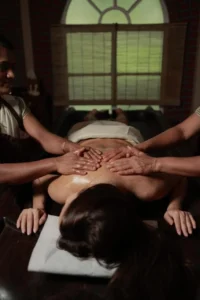
Its purpose is not relaxation alone. It improves circulation, supports lymphatic drainage, mobilises toxins, and prepares the body for deeper interventions such as Panchakarma Kerala.
Shirodhara (Nervous System Regulation)
Shirodhara involves a continuous stream of warm medicated oil applied across the forehead in a controlled rhythm.
The steady sensory input reduces cortical activity and activates the parasympathetic nervous system, which explains its use in insomnia, anxiety, and stress-related conditions.
Pizhichil (Therapeutic Oil Bath)
Pizhichil combines continuous pouring of warm medicated oil with synchronized manual therapy.
This creates sustained heat and oil exposure, improving joint lubrication and neuromuscular response. It is prescribed for joint disorders, paralysis recovery, and severe Vata imbalances, not for basic rejuvenation.
Navarakizhi (Rejuvenative Rice Therapy)
Navarakizhi uses poultices of cooked Navara rice processed in medicated milk and herbs.
The combination of heat, pressure, and nutrient delivery supports tissue rebuilding, muscle tone improvement, and neurological recovery, especially in post-injury or degenerative conditions.
Kativasthi (Lower Back Treatment)
Kativasthi is a localised therapy where warm medicated oil is retained over the lumbar region using a herbal dough ring.

This allows sustained oil penetration, making it effective for lower back pain, disc issues, sciatica, and spinal stiffness.
Nasya (Upper Respiratory and Neurological Therapy)
Nasya involves administering medicated oils through the nasal passages.
It targets the Srotas channels of the head and neck, making it effective for sinusitis, headaches, migraines, and certain neurological conditions. It also supports cognitive clarity and stress regulation.
These treatments are rarely used in isolation. In a Kerala Ayurveda retreat, they are sequenced and adjusted daily by a BAMS physician based on your response, ensuring the programme remains clinically aligned rather than routine-driven.
The Best Season to Visit (The Monsoon Is Not What You Think)
One of the most common misconceptions when planning a Kerala Ayurveda retreat is that the monsoon should be avoided. In reality, it is often the most effective treatment window, depending on your goals.
In Kerala, Ayurveda aligns closely with seasonal cycles. Climate directly influences how the body responds to medicated oils and detox protocols.
Monsoon (June to August) – Peak Treatment Season
This period, known as Karkidaka Masa, is considered the optimal time for a Kerala Ayurveda retreat.
The cool, humid climate helps open Srotas channels, improving absorption of medicated oils and enhancing treatment response. Reduced heat stress and controlled sweating make therapies like Panchakarma Kerala more effective.
Rainfall is typically intermittent, and treatments take place indoors in controlled settings.
Best for: Panchakarma, chronic conditions, and deep detox.
Winter (October to February) – Comfort + Treatment Balance
Winter offers the most comfortable conditions for combining a Kerala Ayurveda retreat with travel.
The weather is dry and predictable, allowing movement beyond the retreat. Treatment quality remains consistent, though without the climatic advantage of monsoon.
This is also peak season, leading to higher prices and limited availability at established centres.
Best for: Rejuvenation, yoga + Ayurveda programmes, and first-time visitors.
Summer (March to May) – Cost-Efficient and Underrated
Summer is warmer, but still suitable for a Kerala Ayurveda retreat, especially for focused programmes.
Higher body heat can support metabolic activity, making this season effective for weight management (Medodhara) and certain detox protocols. Many retreats offer lower pricing, making longer stays more accessible.
Lower occupancy also allows more personalised attention from physicians.
Best for: Budget-conscious travellers, weight management, and quieter retreats.
Season at a Glance
| Season | Months | Temp | Best For | Crowd Level |
| Monsoon | June – August | 24–30°C | Panchakarma, deep detox | Low to Moderate |
| Winter | October – February | 22–30°C | Rejuvenation, travel + wellness | High |
| Summer | March – May | 28–36°C | Weight management, budget stays | Low |
The right season depends on your intent. For treatment efficacy, monsoon is optimal. For comfort and travel, winter is preferred. For cost and privacy, summer offers clear advantages.
Choosing correctly ensures your Kerala Ayurveda retreat delivers the outcome you expect, not just the experience.
How to Choose a Certified, Authentic Kerala Ayurveda Retreat: The 7-Point Checklist
By the time you reach this stage, you’ve understood what a Kerala Ayurveda retreat actually involves, the type of programme you need, and the best season to visit. The next step, and arguably the most critical, is choosing a retreat that delivers clinical integrity and reflects authentic Ayurveda Kerala practice, not just wellness branding.
The market includes everything from medically supervised centres to luxury resorts using Ayurveda as a theme. The checklist below helps you understand how to identify an authentic Ayurveda resort and distinguish medically supervised retreats from commercial wellness properties.
1. NABH or Ayur Diamond Accreditation
Look for recognised certifications such as NABH Ayurveda Kerala standards or Ayur Diamond classification under the Ministry of AYUSH. These are not decorative labels, they indicate compliance with clinical infrastructure, hygiene, and treatment protocols.
Always ask for the certificate number, not just a logo on the website. Verified centres will share this transparently.
2. BAMS-Qualified Physician On-Site (Not On-Call)
A legitimate Kerala Ayurveda retreat must have a resident BAMS doctor who supervises your treatment daily.
If the physician is only present for the initial consultation, or worse, “available on call”, your programme will not be dynamically adjusted. That undermines the core principle of Ayurveda: responsive, evolving treatment based on daily observation.
3. In-House Oil and Medicine Preparation
Authentic centres often prepare their own medicated oils and formulations using locally sourced herbs from Kerala.
Commercial retreats frequently purchase oils in bulk from third-party suppliers, which reduces control over quality and formulation specificity. Ask directly:
Where are your oils prepared, and are they customised per patient?
4. Strict Satvik Treatment Environment
A medically aligned retreat maintains a Satvik environment, this is not aesthetic, but functional.
Several indicators can help distinguish an authentic therapeutic Ayurveda retreat from a wellness resort that merely incorporates Ayurvedic treatments.
Facilities that prioritise treatment integrity typically maintain an environment aligned with traditional Ayurvedic principles.
Alcohol is generally not served on the premises, as it is considered incompatible with many treatment protocols and recovery processes.
Treatment spaces are often kept free from leather products, reflecting traditional practices observed in many Ayurvedic institutions.
Equally important is the presence of a carefully controlled therapeutic diet, where meals are designed to support specific treatment phases, digestive health, and the body’s healing process.
Together, these practices indicate a retreat that views Ayurveda as a comprehensive therapeutic system rather than simply a spa experience.
These factors influence how the body responds to therapies, especially in structured programmes like Panchakarma Kerala.
5. Personalised Prakriti Assessment on Day One
Every authentic Kerala Ayurveda retreat begins with a Prakriti (body constitution) assessment conducted by a physician.
If a retreat offers fixed packages without consultation, or assigns treatments before arrival, it is operating as a pre-designed wellness product, not a medical system. Diagnosis must precede treatment.
6. Minimum Programme Duration Is Enforced
This is one of the most reliable filters.
A genuine centre will refuse to offer Panchakarma for less than 14 days, because the protocol requires preparation, elimination, and recovery phases. Offers like “3-day Panchakarma” or “weekend detox” are not clinically valid.
Shorter stays are acceptable for rejuvenation, but not for deep detox or chronic treatment.
7. Transparent Cost Structure
A trustworthy Kerala Ayurveda retreat should provide a clear and transparent cost breakdown before booking, allowing guests to understand exactly what is included in the programme and avoid unexpected expenses later.
This breakdown should clearly outline consultation charges, including initial assessments and follow-up reviews, as well as the cost of prescribed treatments and therapies.
It should also specify whether Ayurvedic medicines, herbal formulations, therapeutic oils, and other treatment-related materials are included in the package or charged separately.
Accommodation and meals should be detailed as well, particularly when therapeutic diets form an integral part of the treatment programme. Transparent pricing is often a strong indicator of a professionally managed retreat that prioritises clarity and informed decision-making.
Hidden charges for oils, extended consultations, or “special therapies” are a red flag, especially in what is presented as an all-inclusive Kerala Ayurveda retreat package.
Choosing the right retreat is not about luxury or price positioning, it is about clinical credibility and treatment integrity. If a centre meets these seven criteria, you are far more likely to experience Ayurveda as it is intended: structured, personalised, and outcome-driven.
Kerala Ayurveda Retreat Cost: An Honest Breakdown
Cost is often the least clearly explained part of planning a Kerala Ayurveda retreat, and the one that matters most when you’re ready to book. Unlike standard hotels, pricing here reflects a combination of medical supervision, treatment intensity, accommodation, and duration, not just room category.
Below is a realistic breakdown of what you can expect to pay in Kerala, based on current market ranges.
Daily Cost by Category
1. Budget Tier (₹2,500 – ₹10,000 per day)
At this level, you will find small, family-run Ayurveda centres, often located away from tourist-heavy areas such as Palakkad interiors or parts of Thrissur.
Most are AYUSH-registered, but may not carry certifications like NABH Ayurveda Kerala. Treatment quality can still be effective, but it depends significantly on the experience and involvement of the physician.
Accommodation is simple, therapies are standardised, and facilities are limited. However, for longer stays (especially 2–4 weeks), this tier makes a Kerala Ayurveda retreat financially accessible.
Best suited for: Long-duration treatments on a fixed budget, returning visitors, or those prioritising therapy over comfort.
2. Mid-Tier (₹11,000 – ₹15,000 per day)
This is the most credible and balanced segment of a Kerala Ayurveda retreat, offering strong clinical integrity with comfortable living conditions.
Centres in this range are typically NABH-certified, Staffed with resident BAMS physicians and Equipped with in-house oil and medicine preparation
Your package usually includes accommodation, three Satvik meals per day, daily treatments (60–90 minutes), physician consultations, and yoga or meditation sessions.
Established names like Kairali Healing Village and Nattika Beach Ayurveda Resort operate in or around this range, demonstrating that high-quality treatment does not require luxury pricing.
Best suited for: Most travellers, especially those seeking a structured programme like Panchakarma Kerala or condition-specific treatment with reliable standards.
3. Luxury Tier (₹16,000 – ₹45,000+ per day)
Luxury retreats elevate the environment and service experience rather than the core clinical treatment.
At luxury Ayurveda retreats, the emphasis extends beyond treatment to include privacy, personalised attention, and an environment conducive to healing. Guests can typically expect spacious premium rooms, heritage-style accommodations, or private villas that offer greater comfort and seclusion throughout their stay.
Higher therapist-to-guest ratios allow treatments to be delivered with more individual attention, while physicians generally allocate more dedicated consultation time to assess progress, refine treatment plans, and provide detailed lifestyle guidance.
The setting itself often becomes part of the experience, with retreats located amidst Kerala’s backwaters, along quiet beachfronts, or within forested landscapes where natural surroundings support rest, reflection, and recovery.
These elements do not necessarily change the underlying Ayurvedic principles, but they significantly enhance the overall quality, comfort, and immersive nature of the retreat experience.
Importantly, the treatment protocols are often comparable to the mid tier in clinical terms. The additional cost is largely for privacy, exclusivity, and setting.
For international travellers, senior professionals, and those seeking greater privacy during their wellness journey, luxury Kerala Ayurveda retreats offer a more seamless and comfortable treatment environment without compromising the core principles of Ayurveda.
These retreats typically enhance the overall experience through premium accommodation, personalised service, tranquil natural settings, and greater physician accessibility, while following treatment protocols similar to those found in reputable mid-tier centres.
Most Kerala Ayurveda retreat programmes include accommodation, three daily Satvik meals designed to support the therapeutic process, personalised treatments prescribed by an Ayurvedic physician, regular consultations and progress reviews, and complementary wellness practices such as yoga and meditation.
Together, these elements create a structured environment that supports both physical recovery and mental restoration throughout the programme.
Certain services, however, are often charged separately. Airport transfers, specialist consultations beyond routine physician reviews, additional or extended treatment sessions, Ayurvedic medicines and oils intended for home use, laundry services, and other personal requirements may not be included within the standard package and should be clarified before booking.
Ultimately, the value of a Kerala Ayurveda retreat should be assessed through its clinical credibility, physician involvement, treatment integrity, and programme suitability rather than accommodation standards alone.
A well-managed mid-tier retreat with experienced practitioners may deliver significantly better therapeutic outcomes than a luxury property where Ayurveda functions primarily as a wellness add-on.
Understanding this distinction allows travellers to make informed decisions and invest in the aspects of a retreat that genuinely influence treatment effectiveness and long-term wellbeing.
Top Kerala Retreat Locations and What Each Offers
Choosing the right destination within a Kerala Ayurveda retreat is not just about scenery, it directly influences the pace, intensity, and overall experience of your programme. Each region in Kerala offers a distinct environment, from coastal accessibility to deep interior isolation.
Understanding this geographic spread helps you align your location with your treatment type, comfort preferences, and travel style.
Kovalam and Varkala (Trivandrum Coast)
This coastal belt near Thiruvananthapuram is the most internationally accessible hub for a Kerala Ayurveda retreat.
You’ll find the highest concentration of certified centres here, many designed to accommodate international visitors with structured programmes and familiar hospitality standards. Properties like Somatheeram Ayurveda Village and Niraamaya Retreats Surya Samudra operate in this region.
The added advantage is beach access, which makes the experience less clinical and more balanced, especially for first-time visitors.
Best for: First-time travellers who want a Kerala Ayurveda retreat with easy access, structured care, and a coastal setting.
Palakkad (Forest and Agricultural Interior)
Located inland, Palakkad offers one of the most clinically focused environments for a Kerala Ayurveda retreat.
Removed from tourism-heavy zones, this region prioritises treatment discipline, quiet surroundings, and minimal distraction. Benchmark centres such as Kairali Healing Village and CGH Kalari Kovilakom are known for structured programmes, including Panchakarma Kerala protocols.
The environment supports longer stays, deeper detox, and strict adherence to treatment routines.
Best for: Visitors committed to a full clinical programme, especially Panchakarma or condition-specific treatment.
Kumarakom and Alleppey (Backwaters)
The backwater regions around Kumarakom and Alappuzha offer a slower, more immersive setting defined by water, stillness, and privacy.
Retreats here are typically smaller and more intimate, with an emphasis on relaxation and rejuvenation rather than intensive detox. Centres like Carnoustie Ayurveda & Wellness Resort and CGH Earth Experience Hotels operate in this space.
While treatments are still structured, the overall environment leans toward calm restoration rather than clinical intensity.
Best for: Rejuvenation programmes, shorter stays, and travellers prioritising peaceful surroundings over intensive treatment.
Thrissur and Munnar (Off-Grid and High Altitude)
Regions like Thrissur and Munnar offer a more isolated, cooler-climate experience for a Kerala Ayurveda retreat.
These areas are less commercialised, with fewer internationally marketed retreats. The advantage is privacy, reduced humidity, and a quieter atmosphere, particularly in higher-altitude zones like Munnar.
However, this also means you need to be more careful with pre-booking due diligence, as quality and certification levels vary.
Best for: Travellers seeking isolation, cooler weather, and minimal external distraction, with a willingness to research thoroughly before booking.
The right location shapes not just your stay, but the effectiveness and comfort of your Kerala Ayurveda retreat. Aligning geography with your treatment type ensures a more coherent and rewarding experience.
What to Expect: A Typical Day at a Kerala Ayurveda Retreat
A well-run Kerala Ayurveda retreat is not structured like a holiday itinerary. There are no excursions to plan, no decisions to make, and very little variation day to day. What replaces that is a deliberate rhythm, one that most visitors find unfamiliar at first, and then quietly addictive.
Your day usually begins early, in the softer light and stillness of Kerala before the climate turns humid. There is a short consultation with the physician — not a formal appointment, but a check-in. You’re asked about sleep, digestion, appetite, and any reactions from the previous day’s treatment. Based on this, your therapies may be adjusted. This daily recalibration is subtle, but it is where much of the effectiveness lies.
Soon after, you move to the treatment room. The atmosphere is quiet, functional, and consistent. During an Abhyanga session, warm medicated oil is applied in synchronized movements. The experience is not just sensory, there is a distinct weight and continuity to the oil, a rhythm that gradually slows your system down. Over time, you begin to notice how the body responds differently each day.
After treatment, there is no rush back into activity. You rest, often in silence, allowing the body to absorb and process what has been done. Meals are served at fixed times, simple, warm, and intentionally repetitive. Each dish in the Satvik diet is chosen for a reason, and in many retreats, the staff will explain how it supports digestion or recovery.
The afternoon is notably empty. There are no optional add-ons competing for your attention. Some days may include gentle yoga or breathing practices, but much of the time is left unstructured. This absence of choice is not a limitation it removes friction and allows the body to remain in a continuous state of recovery.
Evenings are quiet. Early dinners, minimal stimulation, and sleep that arrives more easily than expected.
By the third or fourth day, the pace begins to feel natural. By the end of a 10–14 day Kerala Ayurveda retreat, what initially felt like restriction often becomes the most valuable part of the experience, a system where everything is decided for you, so your body can focus entirely on restoring balance.
How to Prepare Before Arriving (And What to Do After)
A Kerala Ayurveda retreat does not begin on the day you check in, and it does not end when you leave. What you do in the two weeks before and after your stay directly influences how effective your treatment will be.
Before You Arrive (2 Weeks Prior)
Start by reducing stimulants and heavy foods gradually. Caffeine, alcohol, processed foods, and red meat should be tapered down, not stopped abruptly on arrival. Sudden withdrawal can make the first few days of your Kerala Ayurveda retreat more about adjustment than treatment.
Sleep is equally important. Aim for 7–8 hours consistently in the lead-up to your trip. The initial phase of most programmes, especially Panchakarma Kerala, is designed to prepare the body, not push it. Arriving already fatigued reduces how much your body can absorb during this stage.
If you are on any medication, share a complete list with the retreat physician in advance. Certain Ayurvedic formulations can interact with common pharmaceuticals, and responsible centres will adjust your protocol accordingly before you arrive.
After You Leave (2 Weeks Post-Retreat)
The period immediately after your Kerala Ayurveda retreat is where many people lose the benefits they’ve gained.
Continue with a Satvik diet for at least 10 days. Your digestive fire (Agni) has been reset and is more sensitive, heavy, oily, or processed foods can quickly disrupt this balance.
Avoid alcohol for a minimum of two weeks. Detox pathways remain active after treatment, and introducing toxins too soon can reverse progress.
Exercise should be reintroduced gradually. While it may be tempting to return to full intensity, especially after a structured break, aggressive training immediately after Panchakarma can counteract some of the deeper systemic work.
A well-planned entry and exit ensure that your Kerala Ayurveda retreat is not just a temporary reset, but a sustained shift in how your body functions and recovers, especially when experienced alongside slower journeys through South India’s landscapes, cuisine, and cultural rhythms.
For travellers interested in understanding Ayurveda within the wider cultural context of the region, our guide to Living Traditions that still shape South India explores how wellness knowledge, ritual practices, classical arts, culinary heritage, and traditional craftsmanship continue to influence contemporary life across Southern India.
Frequently Asked Questions About a Kerala Ayurveda Retreat
These are the most common questions prospective visitors ask before booking a Kerala Ayurveda retreat. Each answer is direct, specific, and aligned with how authentic programmes actually operate in Kerala.
Is Ayurveda in Kerala safe for foreign visitors?
Yes, when you choose a certified centre with a resident BAMS-qualified physician. Safety depends on clinical supervision, hygiene standards, and proper diagnosis. Accredited retreats (such as those following NABH Ayurveda Kerala guidelines) maintain strict protocols, making treatment safe for international visitors.
How long should a Kerala Ayurveda retreat be?
For meaningful results, 7–14 days is the minimum for rejuvenation programmes, while 14–28 days is required for Panchakarma Kerala. Shorter stays limit effectiveness because preparation, treatment, and recovery phases cannot be completed properly.
What is the best time of year to visit Kerala for Ayurveda?
The monsoon season (June–August) is considered optimal, as humidity improves oil absorption and opens Srotas channels. Winter (October–February) offers more comfortable travel conditions, while summer (March–May) is effective for weight management and lower-cost stays.
What is the difference between Panchakarma and a rejuvenation retreat?
Panchakarma is a structured medical detox involving preparation, elimination, and recovery phases under supervision. A rejuvenation retreat focuses on relaxation, energy restoration, and mild detox without intensive cleansing procedures or strict dietary control.
How much does a Kerala Ayurveda retreat cost?
A typical Kerala Ayurveda retreat cost ranges from ₹2,500 to ₹18,000+ per day, depending on the category. Budget centres offer basic care, mid-tier retreats provide strong clinical value, and luxury properties charge a premium for privacy, setting, and higher staff-to-guest ratios rather than significantly different treatment protocols.
For premium, highly personalised programmes, pricing can exceed ₹18,000 per day, particularly where there is a higher physician involvement, lower guest density, and enhanced treatment supervision. This segment is designed for those prioritising privacy, consistency of care, and a more controlled therapeutic environment over standard package formats.
What should I eat before and after a Panchakarma?
Before arrival, gradually reduce caffeine, alcohol, processed food, and red meat. After treatment, follow a Satvik diet for at least 10 days, simple, warm, and easy-to-digest meals to stabilise digestion (Agni) and preserve the benefits of Panchakarma.
Can I continue working remotely during an Ayurveda retreat?
For rejuvenation or yoga-based programmes, limited remote work may be manageable. For Panchakarma Kerala, it is not recommended. Treatment schedules, dietary restrictions, and rest periods require full participation, and divided attention reduces effectiveness.
What certifications should a legitimate Kerala Ayurveda resort have?
Look for NABH Ayurveda Kerala accreditation or Ayur Diamond classification under the Ministry of AYUSH. These indicate compliance with clinical standards. Also confirm the presence of a resident BAMS doctor, in-house medicine preparation, and transparent treatment protocols.
This FAQ section not only clarifies practical concerns but also helps you approach a Kerala Ayurveda retreat with realistic expectations and informed decision-making
Related Blogs
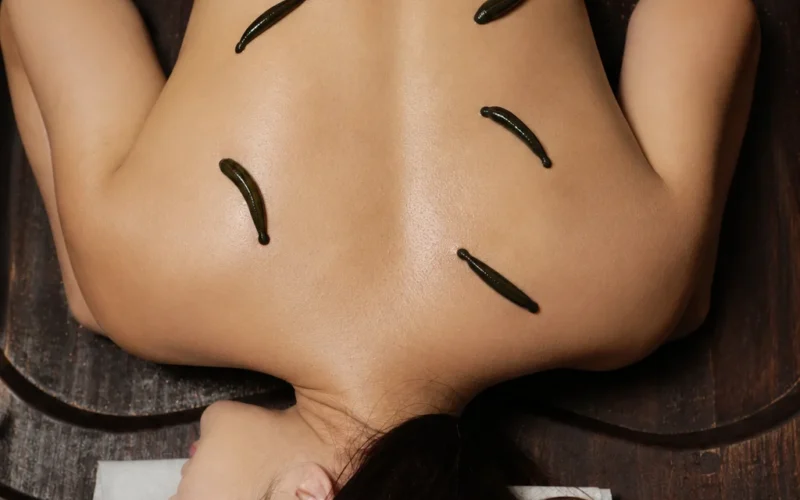
Rakta Mokshana (Raktamokshana) Ayurveda’s Forgotten Fifth Therapy
Understanding Rakta Mokshana: Ayurveda’s Forgotten Fifth Panchakarma Therapy When people think of Panchakarma, they often associate it with therapies such…
Read More ›
Ayurveda and Sleep: Can Kerala Ayurveda Help You Sleep Better?
Why Sleep Has Become a Modern Health Challenge Sleep should be one of the most natural functions of the human…
Read More ›