
Diet After Panchakarma – What to Do, Eat & Avoid for Proper Recovery
Why Recovery After Panchakarma Is Critical
Panchakarma is often understood as a defined course of therapies, with a clear beginning and end. In practice, the completion of treatment marks the start of a different phase rather than a conclusion. This is where the role of the diet after Panchakarma becomes critical.
The body, having undergone a process of elimination and recalibration, enters a sensitive state that requires careful stabilisation. During this period, digestive capacity is reduced and physiological responses are more reactive than usual. The system is not yet operating at full strength, even if symptoms appear improved.
What is done immediately after treatment, particularly in terms of food, routine, and exposure, has a direct influence on whether the benefits are sustained. If the diet after Panchakarma is not structured correctly, the system can return to its previous state, reducing the effectiveness of the intervention.
Recovery, therefore, is not a passive phase. It is an extension of the treatment itself, requiring the same level of attention and discipline.
What Happens in the Body After Panchakarma
Following Panchakarma, the body does not immediately return to its previous functional state. Instead, it enters a transitional phase characterised by heightened sensitivity and ongoing internal adjustment. The primary change during this period is in Agni, the digestive capacity, which is temporarily reduced after the elimination processes. Although the system has been cleared, its ability to process complex inputs is still limited.
At the same time, absorption becomes more efficient. Nutrients, stimuli, and external influences are taken in more readily than usual. This increased receptivity can be beneficial when supported correctly, but it also makes the system vulnerable to improper inputs. Heavy food, irregular routines, or overstimulation can disrupt the stabilisation process and reverse the progress achieved during treatment.
This phase can be understood as a controlled reset. The physiological systems are recalibrating, and the internal environment is being re-established. However, this reset is not complete. The body is open, not yet stable.
Understanding this state is essential when considering what to do after Panchakarma. Recovery is not defined by the absence of symptoms, but by how effectively the system is guided back to equilibrium through diet, routine, and environment.
The degree of recovery required can also vary depending on the therapies performed. While procedures such as Virechana and Vamana have a more direct impact on digestion, therapies such as Nasya influence the head, neck, and respiratory channels and may involve their own post-treatment recommendations and precautions.
Diet After Panchakarma – What to Eat and What to Avoid
The diet after Panchakarma is not a general set of healthy eating recommendations. It is part of the broader Panchakarma treatment process, where recovery and stabilisation are as important as the therapies themselves.
It is a structured reintroduction of food designed to stabilise digestion and support recovery. At this stage, Agni is still in a reduced state, and the system is more responsive than usual. The objective is to rebuild digestive capacity gradually, without placing excess load on the body.
The post Panchakarma diet should begin with food that is simple, warm, and easy to process. Freshly prepared meals are essential, as the body responds better to food that is recently cooked and minimally complex. Rice-based preparations form the base of this phase, often in the form of soft rice or light gruels such as kanji. These provide nourishment without overwhelming digestion.
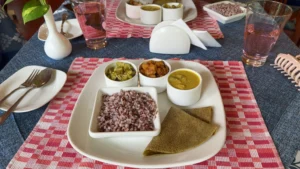
Cooked vegetables can be introduced in a controlled manner, ensuring they are well-cooked and lightly seasoned. The emphasis remains on consistency and simplicity rather than variety. Portions should be moderate, and meals should follow a regular schedule to support digestive rhythm.
Equally important is what to avoid during this phase. Cold food, including refrigerated items, can disrupt digestive function. Raw salads, although generally considered healthy, are difficult to process at this stage and should be excluded. Processed food introduces complexity and additives that interfere with recovery. Heavy proteins, fried items, and overly rich preparations place unnecessary strain on digestion and should be avoided until stability is restored.
The effectiveness of Panchakarma depends not only on the treatment itself but on how the body is supported afterwards. A properly structured diet after Panchakarma ensures that the system rebuilds strength in a controlled manner, allowing the outcomes of the intervention to stabilise rather than regress.
Diet After Virechana and Vamana – Why It Matters
Dietary progression after Panchakarma is not uniform across all therapies. Procedures such as Virechana and Vamana involve different elimination mechanisms, and the body’s response varies accordingly. As a result, dietary guidelines must be adjusted based on the specific intervention rather than applied generally.
➤ Diet After Virechana
Virechana, which involves therapeutic purgation, primarily affects the digestive tract and metabolic processes. Following this procedure, digestion is significantly reduced and requires a structured reintroduction of food. The after Virechana diet typically begins with liquids, such as thin rice gruels, before gradually progressing to semi-solid preparations and eventually to more regular meals.
This staged approach allows Agni to rebuild without disruption. Advancing the diet too quickly can overload the system and interfere with recovery. Consistency, portion control, and timing are essential during this phase to ensure that digestive stability is restored in a controlled manner.
➤ Diet After Vamana
Vamana, or therapeutic emesis, requires a more cautious dietary approach. The procedure affects not only digestion but also the upper gastrointestinal and respiratory systems, making the recovery phase more sensitive. The diet after Vamana must progress at a slower pace, with extended reliance on light, warm, and easily digestible preparations.
Liquids and very light semi-solids are maintained for a longer duration before transitioning to more complex foods. Any premature introduction of heavy or stimulating food can disturb the system and delay stabilisation.
In both cases, the objective remains the same: to support recovery by aligning dietary progression with the body’s capacity. Adapting the diet after Panchakarma based on the specific therapy ensures that the benefits of the intervention are consolidated rather than compromised.
While dietary progression after Virechana and Vamana receives significant attention, recovery recommendations also vary across other Panchakarma therapies. Procedures such as Basti, which focus on medicated enemas and are often used in the management of Vata-related conditions, require their own post-treatment considerations. Understanding how Basti works within Panchakarma provides additional context for those undertaking a comprehensive Ayurvedic treatment programme.
Lifestyle After Panchakarma
Diet alone does not determine recovery outcomes. The lifestyle after Panchakarma plays an equally important role in stabilising the system and preserving the effects of the treatment. During this phase, the body remains sensitive to external inputs, including physical exertion, sensory exposure, and daily routine.
Sleep is one of the primary stabilising factors. Early and consistent sleep supports recovery by allowing the body to regulate internal processes without interruption. Irregular sleep patterns or late nights can disrupt this balance and delay the return to stability.
Overstimulation should be consciously reduced. This includes excessive screen exposure, loud environments, and mentally demanding activities. The system, having undergone therapeutic cleansing, responds more strongly to sensory input, making moderation essential.
Physical activity should be limited to gentle movement. Walking, light stretching, or mild mobility exercises are sufficient during this phase. Intense workouts, including strength training or high-impact routines, can place undue stress on the body and interfere with recovery.
A structured daily routine further supports stabilisation. Regular meal timings, controlled activity levels, and predictable patterns help the body regain its natural rhythm.
The lifestyle after Panchakarma is not about restriction but about alignment. When routine, activity, and rest are adjusted to match the body’s current capacity, recovery becomes more consistent and sustainable.
What to Avoid After Panchakarma
Recovery after Panchakarma is influenced not only by what is done correctly, but also by what is consciously avoided. During this phase, the system remains sensitive, and certain actions can disrupt the stabilisation process even if the treatment itself was effective.
Immediate travel, particularly long-distance or irregular journeys, should be avoided. Changes in climate, routine, and food availability introduce variables that the body may not be ready to handle. A short period of staying within a controlled environment supports more consistent recovery.
Alcohol is another factor that interferes with post-treatment stabilisation. It places a direct load on digestion and metabolism, both of which are still in a rebuilding phase. Even small quantities can disrupt the balance achieved during Panchakarma.
Stress, whether physical or mental, has a similar effect. High work pressure, lack of rest, or emotional strain can alter physiological responses and reduce the effectiveness of recovery. Maintaining a measured pace during this phase is essential.
Irregular routines, including inconsistent meal timings and disrupted sleep patterns, can further destabilise the system. The body responds better to predictability during recovery.
Understanding what to avoid after Panchakarma ensures that the effort invested in treatment is not compromised. Stability is maintained not through intensity, but through consistency and controlled reintroduction of normal activity.
Why Environment Matters in Recovery
Recovery after Panchakarma is not determined by internal factors alone. The external environment plays a measurable role in how effectively the body stabilises after treatment. During this phase, the system remains sensitive to sensory input, routine changes, and external stimuli. As a result, surroundings can either support or disrupt the recovery process.
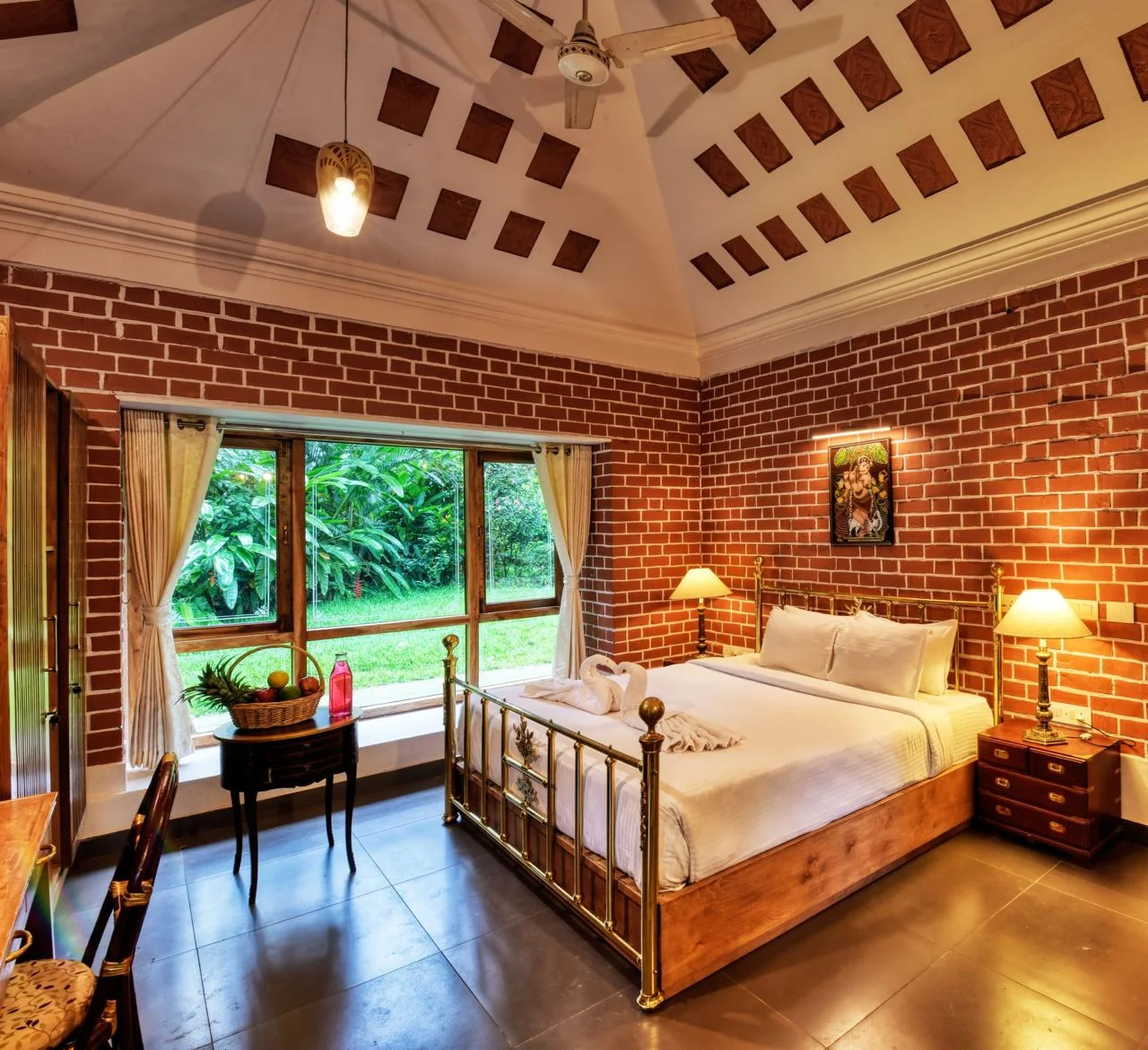
A controlled setting provides consistency. Meal timings, activity levels, and exposure to stimuli remain predictable, allowing the body to recalibrate without interruption. Noise levels, social interactions, and environmental stressors are typically limited, which reduces the overall load on the system. This stability supports the gradual restoration of digestive function and physiological balance.
In contrast, a typical urban environment introduces variability. Traffic, noise, irregular schedules, and constant sensory input increase stimulation. Even routine activities such as commuting or work-related engagement can place additional demands on a system that is not yet fully stable. This does not immediately reverse the effects of Panchakarma, but it can reduce the consistency of recovery.
Understanding this distinction is important when considering what to do after Panchakarma. Recovery is not only about following dietary and lifestyle guidelines, but also about selecting an environment that aligns with the body’s current capacity. A stable environment supports continuity, while a disruptive one introduces unnecessary strain during a critical phase of adjustment.
Integration Through Experience
Recovery after Panchakarma does not end with diet and routine. The next phase involves how the individual re-engages with their surroundings. When approached correctly, this transition can support stabilisation rather than interrupt it.
Certain environments provide a level of continuity with the treatment phase. Temple complexes, heritage spaces, and culturally active sites operate within structured rhythms. Movement is measured, sound levels are controlled, and activities follow established patterns. Exposure to such settings introduces stimulation in a regulated manner, allowing the system to adapt without excess strain.
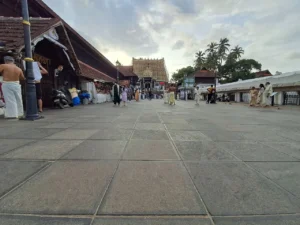
This form of engagement is not recreational. It is not based on sightseeing or itinerary-driven movement. The pace remains slow, and the objective is not coverage but continuity. Short durations of exposure, followed by adequate rest, maintain alignment with the body’s current capacity.
Heritage environments also provide a different form of sensory input compared to urban settings. Visual, auditory, and spatial elements are more stable and less fragmented. This reduces cognitive load and supports a gradual return to normal levels of interaction.
Understanding what to do after Panchakarma includes recognising how external experiences influence recovery. When the transition is structured, exposure becomes part of the stabilisation process rather than a disruption. Integration through environment is therefore not an addition to treatment, but an extension of it, carried forward in a controlled and deliberate manner.
Designing the Right Transition Phase
The period immediately following Panchakarma requires a structured approach rather than an unplanned return to routine. Recovery is most effective when it follows a defined progression that aligns with the body’s current capacity. This transition phase is not uniform; it must be adjusted based on the type of treatment, individual response, and clinical guidance.
A structured recovery begins with maintaining continuity in diet and routine for a defined period. Sudden changes in food, activity, or environment introduce variables that can disrupt stabilisation. Gradual re-entry into normal activities allows the system to adapt without excess strain. This includes phased increases in physical activity, controlled exposure to work demands, and consistent daily patterns.
Alignment with the supervising physician is essential during this stage. Post-treatment recommendations are typically provided based on individual assessment, and adherence to these guidelines ensures that recovery remains on track. Deviations, particularly in the early phase, can reduce the effectiveness of the intervention.
Understanding what to do after Panchakarma involves recognising that recovery is a guided process. When transition is structured, the system stabilises more consistently, and the outcomes of the treatment are preserved over time.
Closing
Panchakarma creates the possibility of balance, but its outcomes depend on what follows after treatment. The phase that follows is not passive; it requires structured diet, controlled lifestyle, and a stable environment to support recovery. Understanding what to do after Panchakarma ensures that the system is guided back to equilibrium without disruption.
When post-treatment care is approached with the same discipline as the therapy itself, the effects are sustained over time rather than gradually diminishing.
Related Blogs
Rakta Mokshana (Raktamokshana) Ayurveda’s Forgotten Fifth Therapy
Understanding Rakta Mokshana: Ayurveda’s Forgotten Fifth Panchakarma Therapy When people think of Panchakarma, they often associate it with therapies such…
Read More ›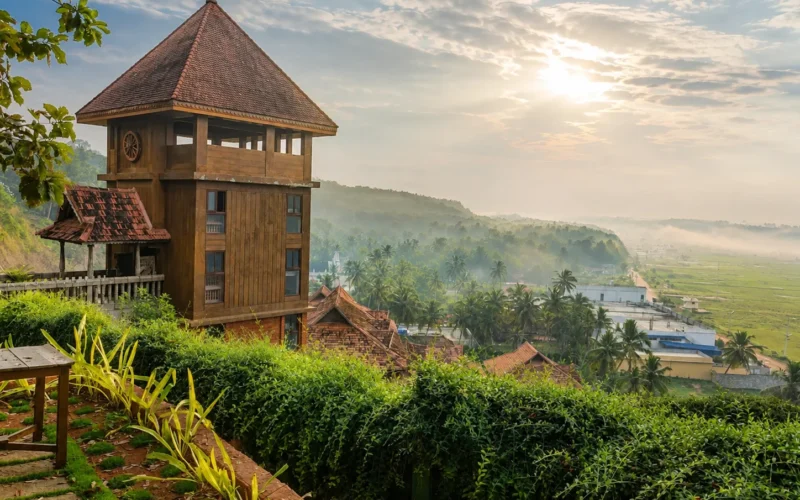
Ayurveda and Sleep: Can Kerala Ayurveda Help You Sleep Better?
Why Sleep Has Become a Modern Health Challenge Sleep should be one of the most natural functions of the human…
Read More ›