
Wayanad Beyond the Tourist Trail: Discovering Kerala’s Highland Landscapes
Why Wayanad Rewards Those Who Slow Down
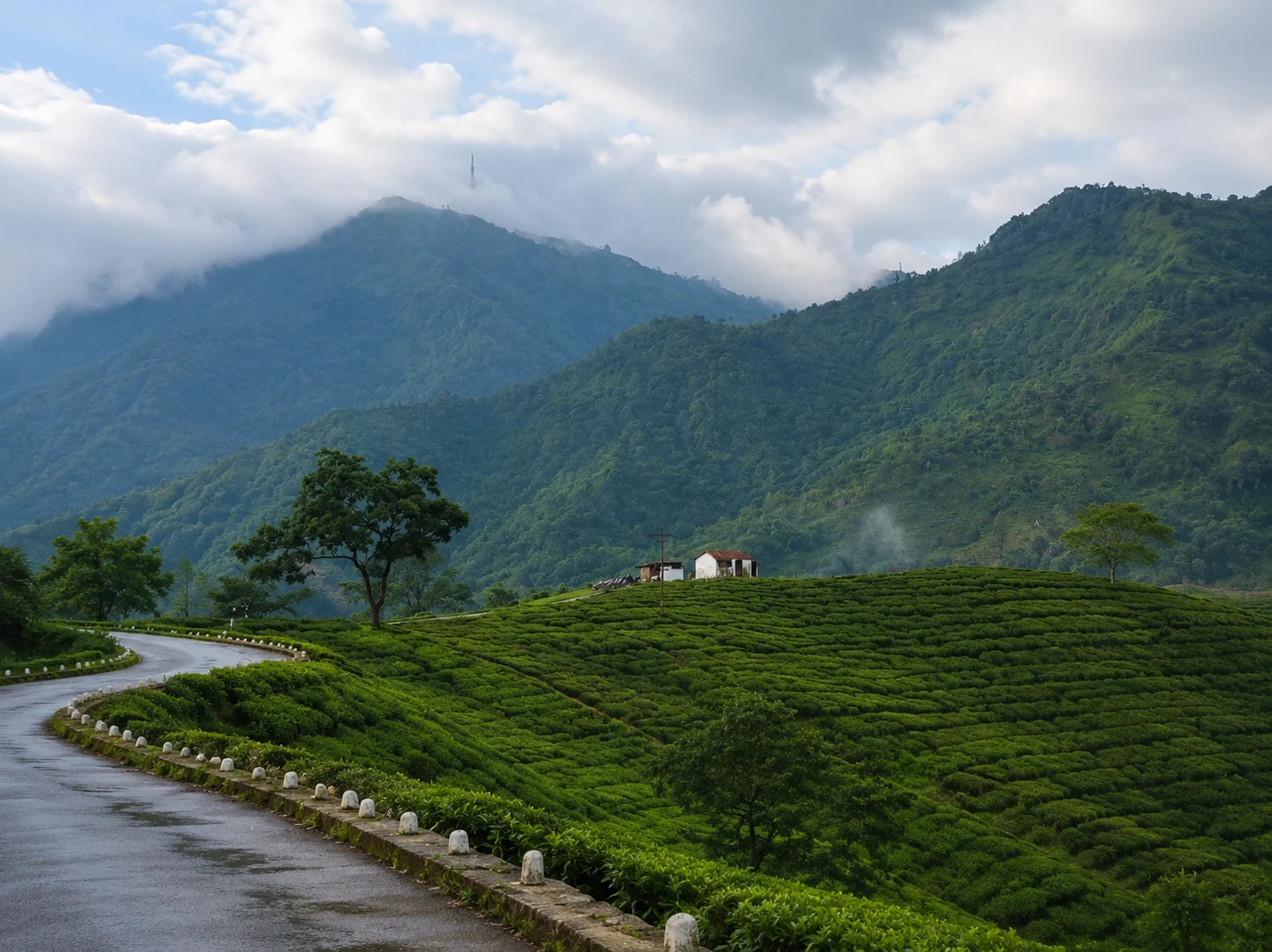
Tucked into the northeastern corner of Kerala, Wayanad is a landscape of mist-covered hills, dense forests, coffee plantations, winding roads, and agricultural valleys. While destinations such as Munnar often dominate Kerala travel itineraries, Wayanad offers a very different experience, one that unfolds gradually rather than instantly.
This is not a destination defined by a single attraction. Instead, Wayanad rewards travellers who spend time exploring its forests, walking through plantation landscapes, discovering ancient heritage sites, and engaging with communities whose lives remain closely connected to the land.
For slow travellers, nature lovers, photographers, wildlife enthusiasts, and anyone seeking a deeper connection with Kerala, Wayanad remains one of the state’s most rewarding destinations.
Understanding Wayanad’s Unique Character
The Meaning Behind “Wayanad”
The name Wayanad is widely believed to have originated from the words Vayal Nadu, meaning “the land of paddy fields.” Long before tourism became an important part of the local economy, agriculture shaped the region’s identity.
Even today, fertile valleys, rice fields, spice plantations, and agricultural communities remain central to the character of the district.
A Highland Landscape Shaped by Nature
Situated within the Western Ghats, Wayanad’s terrain is remarkably diverse. Rolling hills give way to dense forests, streams flow through valleys, and plantations blanket large sections of the landscape.
Its elevation creates a cooler climate than much of Kerala’s coastal belt, making it a pleasant destination throughout much of the year.
One of Kerala’s Most Diverse Regions
Unlike destinations focused solely on scenery, Wayanad combines nature, wildlife, culture, agriculture, history, and adventure. It is this diversity that makes the district particularly rewarding for travellers willing to look beyond the obvious attractions.
Wayanad and the Western Ghats
Part of a Global Biodiversity Hotspot
The Western Ghats are recognised as one of the world’s most important biodiversity hotspots. Stretching along India’s western coast, these mountains support extraordinary levels of plant and animal diversity.
Wayanad occupies a particularly significant position within this ecological landscape.
A Natural Corridor Between Three States
Wayanad lies at the intersection of Kerala, Karnataka, and Tamil Nadu. Its forests connect seamlessly with neighbouring protected areas, creating one of South India’s most important wildlife corridors.
This interconnected landscape allows animals such as elephants, tigers, and other wildlife to move across state boundaries through extensive forest systems.
The Nilgiri Biosphere Reserve
Much of Wayanad forms part of the Nilgiri Biosphere Reserve, India’s first biosphere reserve and one of its most significant conservation landscapes.
The region shares ecological connections with Bandipur National Park, Nagarhole National Park, and Mudumalai Tiger Reserve, creating a vast protected environment that supports rich biodiversity.
Forests and Wildlife: Wayanad’s Greatest Treasure
Wayanad Wildlife Sanctuary
The Wayanad Wildlife Sanctuary is among the district’s most important natural assets. Divided into the Muthanga and Tholpetty ranges, it forms an integral part of the larger Nilgiri ecosystem.
Its forests provide habitat for numerous species while supporting broader conservation efforts across southern India.
Wildlife Beyond the Safari
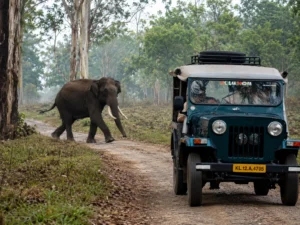
Although many visitors arrive hoping to spot elephants or other large mammals, Wayanad’s wildlife experience extends far beyond individual sightings.
The forests support gaur, deer, monkeys, reptiles, butterflies, and hundreds of bird species. The true value of these landscapes lies in the health of the ecosystem as a whole.
Conservation and Responsible Tourism
Wildlife experiences are most rewarding when approached with patience and respect. Responsible tourism encourages visitors to appreciate natural habitats without disturbing wildlife or disrupting ecological processes.
Experiencing the Forest at a Slower Pace
Forest walks, birdwatching, nature interpretation, and quiet observation often provide a deeper understanding of Wayanad than a rushed safari. The sounds of the forest, changing light conditions, and subtle signs of wildlife create memorable experiences for attentive travellers.
Coffee Estates, Spice Plantations and Agricultural Landscapes
The Story of Coffee in Wayanad
Coffee cultivation has shaped much of Wayanad’s modern landscape. Estates spread across the hills, creating some of the region’s most recognisable scenery.
Unlike industrial agricultural landscapes, many plantations coexist alongside forests and natural vegetation, contributing to the area’s distinctive character.
Pepper, Cardamom and Kerala’s Spice Legacy
Wayanad is also renowned for its spice production. Pepper vines climb shade trees throughout plantations, while cardamom, vanilla, and other spices continue Kerala’s centuries-old relationship with global spice trade networks.
The aromas, colours, and textures of these plantations create a sensory experience that reflects the region’s agricultural heritage.
Walking Through Plantation Country
Some of Wayanad’s most rewarding experiences involve simply walking through plantation landscapes.
Estate roads pass through coffee bushes, pepper vines, and forest edges, revealing a quieter side of the region that many visitors overlook.
The Relationship Between Farming and Landscape
Agriculture is not separate from Wayanad’s natural environment. Instead, farming and landscape have evolved together, shaping both the economy and visual identity of the district.
Indigenous Heritage and Cultural Landscapes
Communities with Deep Connections to the Land
Wayanad is home to several indigenous communities, including the Paniya, Kurichiya, Kuruma, and Kattunayakan peoples. Their histories are deeply intertwined with the forests, rivers, and agricultural landscapes of the region.
Traditional Knowledge and Forest Relationships
Generations of interaction with the natural environment have created extensive knowledge of local ecosystems, medicinal plants, agriculture, and wildlife.
These traditions continue to form an important part of Wayanad’s cultural identity.
Respectful Cultural Encounters
Visitors interested in indigenous heritage should approach such experiences respectfully, recognising that these communities are living cultures rather than tourist attractions.
Landscapes That Tell Stories
Edakkal Caves: A Window into Prehistoric India
Among Wayanad’s most remarkable sites are the Edakkal Caves, which contain ancient petroglyphs believed to date back thousands of years.
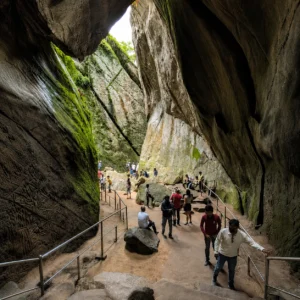
The carvings offer rare insight into prehistoric human activity in southern India and remain one of Kerala’s most important archaeological sites.
Pazhassi Raja and Wayanad’s Resistance History
The forests of Wayanad also played a significant role in India’s resistance to British colonial rule.
Pazhassi Raja, often referred to as the “Lion of Kerala,” used the region’s dense forests to wage guerrilla warfare against British forces. His resistance became an important chapter in Kerala’s history and demonstrated the strategic importance of Wayanad’s landscape.
Sacred Landscapes and Thirunelli Temple
Nestled within the forests of northern Wayanad, Thirunelli Temple combines natural beauty with spiritual significance.
Surrounded by hills and forests, the temple reflects the longstanding relationship between Kerala’s sacred traditions and its natural environments.
Experiences That Reveal the Real Wayanad
Exploring Banasura Sagar Dam
Set against a backdrop of hills and forests, Banasura Sagar Dam is India’s largest earthen dam. The vast reservoir creates dramatic scenery, particularly during and after the monsoon season.
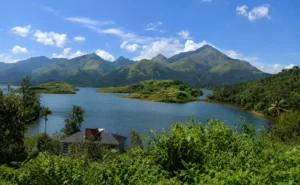
The surrounding landscape encourages leisurely exploration rather than hurried sightseeing.
Walking to Chembra Peak
Chembra Peak is among Wayanad’s most celebrated trekking destinations. The journey passes through grasslands and mountain landscapes, offering sweeping views of the surrounding hills.
The trek is best appreciated as an opportunity to engage with the landscape rather than simply reach a viewpoint.
Discovering Kuruva Island
Located within the Kabini River system, Kuruva Island offers a unique riverine ecosystem rich in vegetation and birdlife.
Its tranquil environment provides an excellent opportunity for nature observation and quiet exploration.
Birdwatching Across Wayanad
The district’s forests, wetlands, plantations, and river systems support an impressive variety of bird species.
Birdwatchers often find that Wayanad reveals its richness gradually, rewarding patience and careful observation.
Plantation Walks and Village Encounters
Some of the most memorable experiences in Wayanad occur away from major attractions. Plantation walks, village roads, local markets, and everyday interactions often provide deeper insights into the region’s character.
Wayanad During the Monsoon
When the Forest Comes Alive
The monsoon transforms Wayanad dramatically. Forests become denser, rivers swell, and waterfalls return to life.
The entire landscape appears renewed by rainfall.
Mist-Covered Hills and Overflowing Reservoirs
Clouds drift through valleys and plantations, creating constantly changing scenery. Reservoirs fill, rivers expand, and visibility shifts throughout the day as weather patterns evolve. The views around Banasura Sagar Dam and the surrounding hills become particularly striking during this season.
Waterfalls at Their Most Dramatic
Many of Wayanad’s waterfalls are at their most spectacular during the rainy season, surrounded by lush vegetation and flowing at full strength.
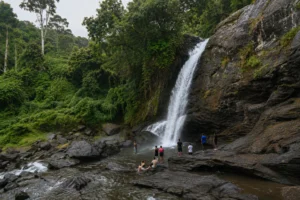
Popular falls such as Soochipara Falls, Meenmutty Falls, Kanthanpara Falls, and Chethalayam Falls gain volume and intensity after heavy rainfall, creating some of the most memorable natural spectacles in the region.
Why Many Travellers Prefer the Rainy Season
While some visitors avoid rain, others consider the monsoon the most rewarding time to experience Wayanad. Fewer crowds, vibrant landscapes, dramatic waterfalls, and mist-covered forests create an atmosphere that feels distinctly different from the rest of the year.
Why Wayanad Is More Than a Hill Station
Beyond Scenic Viewpoints
Many visitors arrive expecting viewpoints and waterfalls. While these attractions are certainly part of Wayanad’s appeal, they represent only a fraction of what the region offers.
A Landscape Best Experienced Slowly
Wayanad’s true character emerges through time spent walking, observing, and engaging with the landscape rather than rushing between attractions.
The Difference Between Visiting and Understanding a Place
Meaningful travel involves understanding how landscapes, communities, culture, and history intersect. Wayanad rewards those who seek this deeper perspective.
Responsible Travel in Wayanad
Supporting Local Communities
Choosing locally owned accommodations, guides, and businesses helps ensure tourism benefits remain within the region.
Respecting Forest Ecosystems
Travellers can contribute to conservation efforts by following guidelines, staying on designated trails, and avoiding activities that disturb wildlife.
Choosing Sustainable Experiences
Responsible operators and community-based experiences often provide richer and more meaningful journeys.
Minimising Environmental Impact
Simple choices such as reducing waste, carrying reusable water bottles, and respecting natural environments help preserve Wayanad’s beauty.
Why Slow Travel Works So Well Here
Wayanad’s size and diversity make it ideally suited to slow travel. Spending longer in fewer places often creates a more rewarding experience than attempting to see everything in a short period.
How Many Days Should You Spend in Wayanad?
A Two-Day Introduction
A short visit allows travellers to experience major highlights such as Edakkal Caves, Banasura Sagar Dam, and a plantation landscape.
Three to Four Days for a Deeper Experience
This is the ideal duration for most first-time visitors, providing time to explore forests, heritage sites, villages, and wildlife areas without rushing.
Five Days or More for Slow Travel
Longer stays allow travellers to fully appreciate Wayanad’s rhythms, landscapes, and cultural richness while leaving space for spontaneous discoveries.
Why Wayanad Remains One of Kerala’s Most Rewarding Destinations
Wayanad is not a destination that reveals itself through hurried sightseeing.
Its forests, wildlife corridors, coffee estates, spice plantations, ancient heritage sites, and cultural landscapes reward travellers who are willing to spend time exploring beyond the obvious.
From the prehistoric carvings of Edakkal Caves and the biodiversity of the Nilgiri Biosphere Reserve to the quiet beauty of plantation roads and mist-covered hills, Wayanad offers experiences that feel both authentic and deeply connected to place.
For those seeking a richer understanding of Kerala beyond its better-known tourist circuits, Wayanad remains one of the state’s most rewarding and memorable destinations.
Related Blogs
Thanjavur Beyond Brihadeeswara Temple: Exploring the Cultural Heart of the Cauvery Delta
More Than a Temple City For many travellers, Thanjavur begins and ends with Brihadeeswara Temple. The soaring vimana, vast courtyards,…
Read More ›
Kanchipuram: Sacred Architecture and Living Traditions
More Than the City of a Thousand Temples Kanchipuram is often introduced as the “City of a Thousand Temples.” While…
Read More ›