
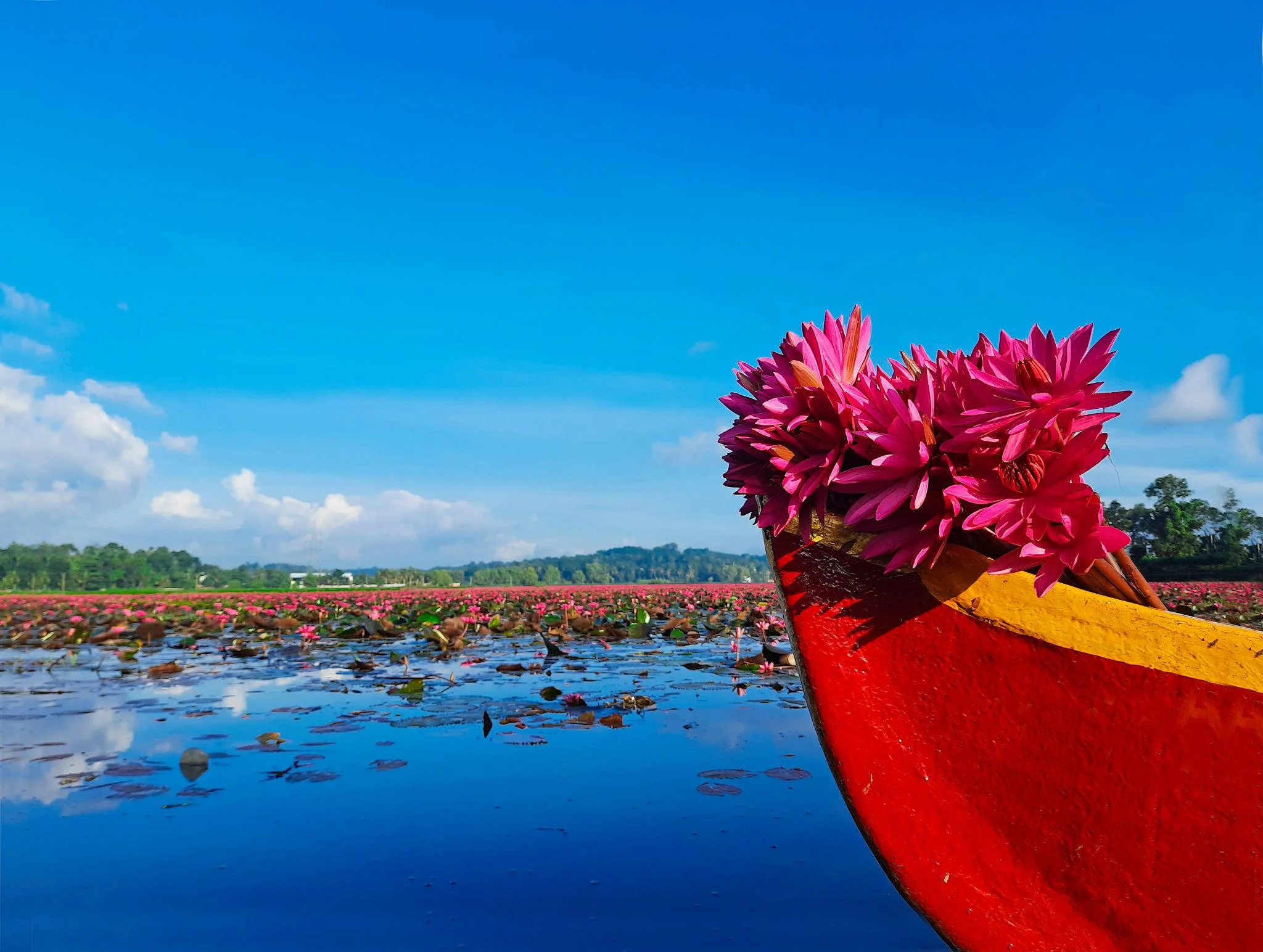
Vembanad Lake: The Living Heart of Kerala’s Backwaters
Why Understanding Vembanad Lake Matters
When travellers think of Kerala’s backwaters, they often imagine houseboats drifting past coconut palms, narrow canals lined with village homes, and tranquil waterways stretching towards the horizon.
Yet few realise that many of these iconic images are connected to a single landscape: Vembanad Lake.
As the largest lake in Kerala and the longest lake in India, Vembanad is far more than a scenic destination. It is the ecological, cultural, and economic heart of Kerala’s backwater system.
For centuries, the lake has shaped how communities travel, farm, fish, trade, and live. Its waterways connect villages, sustain livelihoods, support biodiversity, and define one of India’s most distinctive cultural landscapes.
Understanding Vembanad Lake is essential to understanding Kerala itself.
Beyond the photographs of houseboats and sunsets lies a living landscape where people and water have coexisted for generations.
It is this relationship that makes Vembanad one of the most fascinating places in South India and one of the most rewarding regions for travellers seeking experiences that go beyond conventional sightseeing.
What Is Vembanad Lake?
Vembanad Lake stretches across the districts of Alappuzha, Kottayam, and Ernakulam, forming the largest freshwater lake in Kerala and the longest lake in India.
Fed by several rivers descending from the Western Ghats, including the Pamba, Meenachil, Manimala, Achankovil, and Muvattupuzha rivers, the lake forms the centrepiece of Kerala’s vast network of backwaters.
Unlike a conventional lake with clearly defined boundaries, Vembanad is part of an interconnected system of waterways that includes canals, wetlands, rivers, lagoons, and estuaries.
These waterways eventually connect to the Arabian Sea, creating a dynamic ecosystem where freshwater and saltwater interact throughout the year.
The lake covers a remarkable geographical area and supports thousands of households whose lives remain closely linked to its waters.For many communities, Vembanad is not simply a landscape feature. It is an essential part of everyday life.
More Than a Lake: Why Vembanad Shapes Life in Kerala
The significance of Vembanad extends far beyond its size.
Historically, the lake functioned as one of Kerala’s most important transportation corridors. Long before highways connected the region, people used these waterways to transport spices, rice, coconuts, fish, and other goods between villages and trading centres.
The lake also supported thriving fishing communities whose livelihoods depended on its rich aquatic ecosystems. Even today, fishing remains an important source of income for many families living along its shores.
Agriculture represents another crucial relationship. Some of Kerala’s most productive farming landscapes, particularly in Kuttanad, owe their existence to the lake and the sophisticated water-management systems developed by local communities over centuries.
Beyond economics, Vembanad has shaped cultural traditions, culinary practices, settlement patterns, and daily routines across central Kerala.
Few natural landscapes have influenced the identity of a region as profoundly as Vembanad has influenced Kerala.
A Landscape Shaped by Water
Perhaps the most fascinating aspect of Vembanad Lake is the way water influences every aspect of life around it.
Villages emerge along canals rather than roads. Farming systems adapt to changing water levels. Transportation networks follow waterways. Livelihoods evolve around fishing, agriculture, and water-based trade.
Rather than fighting against nature, generations of communities have learned to live with water, creating one of India’s most remarkable cultural landscapes.
Kuttanad and Below-Sea-Level Farming
Among the most extraordinary landscapes connected to Vembanad Lake is Kuttanad.
Often referred to as the Rice Bowl of Kerala, Kuttanad is one of the few places in the world where agriculture is practised below sea level.
Over generations, local communities developed intricate systems of embankments, canals, and water-control mechanisms that allowed farmland to be reclaimed from the lake.
The result is a unique landscape of paddy fields, waterways, and villages that demonstrates remarkable human ingenuity.
For travellers, Kuttanad offers insight into how communities have adapted to challenging environmental conditions while maintaining productive agricultural systems.
The region stands as a testament to the close relationship between people and water that defines much of Kerala’s backwater culture.
Fishing Communities and Traditional Livelihoods
Fishing remains one of the defining activities along Vembanad Lake.
In the early hours of the morning, fishermen venture onto the lake in search of pearl spot fish, prawns, and other species that thrive within its waters.
Traditional fishing techniques continue alongside modern practices, reflecting generations of accumulated knowledge about the lake’s ecology.
The famous Karimeen, or pearl spot fish, is particularly associated with the backwaters and remains one of Kerala’s most celebrated culinary specialties.
Fishing is more than an occupation here. It represents a way of life shaped by seasonal rhythms, environmental understanding, and deep connections to the lake.
Waterways as Everyday Infrastructure
For many visitors, canals and waterways appear picturesque.
For local communities, they remain practical.
In numerous villages around Vembanad, boats continue to function as everyday transportation. Children travel to school by boat. Small ferries connect communities separated by water. Local produce moves through canals to reach markets.
The waterways are not preserved as heritage attractions. They remain active components of daily life.
This practical relationship with water is one of the reasons Vembanad feels so authentic. The landscape exists for its residents first and visitors second.
Communities Along Vembanad Lake
The human stories surrounding Vembanad are as fascinating as the landscape itself.Several communities offer visitors different perspectives on life along the lake.
Kumarakom
Located on the eastern shores of Vembanad, Kumarakom is perhaps the region’s most internationally recognised destination.
While it is known for luxury resorts and birdwatching experiences, Kumarakom remains deeply connected to the lake. Fishing communities, village settlements, agricultural landscapes, and traditional livelihoods continue to shape the area’s character.
Travellers who venture beyond resort grounds often discover a more authentic side of Kumarakom, where life continues to revolve around water.
Vaikom
Situated along the northern reaches of Vembanad, Vaikom combines cultural heritage with backwater landscapes.
Known for the historic Vaikom Mahadeva Temple, the town has long maintained connections to the waterways that surround it. Local ferries, canals, and traditional settlements reveal how water continues to influence daily life.
For travellers interested in combining cultural exploration with slower forms of travel, Vaikom offers a rewarding alternative to more heavily visited destinations.
Kuttanad Villages
Scattered across the agricultural landscapes of Kuttanad are numerous villages where water remains central to everyday existence.
Life unfolds according to seasonal agricultural cycles, changing water levels, and community traditions that have evolved over centuries.
Exploring these villages provides insight into a Kerala that often remains hidden from conventional tourist itineraries.
Wildlife and Wetland Ecosystems
Beyond its cultural importance, Vembanad is one of India’s most significant wetland ecosystems.
The lake and its surrounding wetlands support an extraordinary diversity of plant and animal life while performing essential ecological functions.
These wetlands help regulate floods, support fisheries, maintain water quality, and provide critical habitats for countless species.
Why Vembanad Is Ecologically Important
Wetlands are among the world’s most valuable ecosystems, and Vembanad is no exception.
Its complex network of waterways supports fish breeding, bird migration, aquatic biodiversity, and ecological resilience. The interaction between freshwater and saline environments creates conditions that support a wide range of species.
Protecting the lake is therefore important not only for wildlife but also for the communities whose livelihoods depend upon its health.
Kumarakom Bird Sanctuary
One of the best-known conservation areas associated with Vembanad is the Kumarakom Bird Sanctuary.
Located along the lake’s edge, the sanctuary attracts numerous resident and migratory bird species throughout the year. Egrets, herons, kingfishers, darters, cormorants, and migratory waterfowl are regularly observed within its wetlands.
For birdwatchers and nature enthusiasts, the sanctuary provides a window into the ecological richness of the region.
Pathiramanal Island
Situated within Vembanad Lake, Pathiramanal Island is one of the most intriguing ecological sites in the backwaters.
The name translates roughly to “Sands of Night,” and the island has become known as a refuge for birdlife. Migratory birds from distant regions often stop here during seasonal journeys, making it a popular destination for birdwatchers.
Accessible by boat, Pathiramanal offers a glimpse into the quieter and less commercialised side of the backwater ecosystem.
Its significance lies not only in its beauty but also in its role as a habitat within one of India’s most important wetland environments.
Experiencing Vembanad Lake Beyond the Houseboat
While houseboats have become synonymous with Kerala’s backwaters, they represent only one way of experiencing Vembanad.
Travellers seeking deeper engagement with the landscape often discover that smaller, slower modes of exploration reveal far more.
Houseboats and Overnight Cruises
Houseboats remain the most recognisable way to explore the lake.
Originally used for transporting agricultural goods, traditional kettuvallams have evolved into floating accommodations offering comfortable overnight experiences.
They provide a relaxing introduction to the backwaters, particularly for first-time visitors.
Shikara Cruises
Smaller and more agile than houseboats, shikaras allow access to areas that larger vessels cannot reach.
These boats offer closer views of village life, fishing activities, wetlands, and narrow canals. Many travellers find them a more intimate way to experience the backwaters.
Canoe Journeys Through Narrow Waterways
For those interested in slow travel, canoe journeys often provide the most rewarding experiences.
Moving quietly through narrow waterways, travellers can observe daily life at water level while accessing areas untouched by larger vessels.
The slower pace encourages observation, reflection, and meaningful engagement with the landscape.
Public Ferries and Local Transport
Some of the most authentic experiences occur aboard local ferries.
Used daily by residents, these boats offer a glimpse into everyday life along the lake. Travelling alongside schoolchildren, commuters, and local families provides a perspective that organised tourism experiences rarely replicate.
Everyday Life Along the Waterways
One of the greatest pleasures of spending time around Vembanad is simply observing life unfold.
Fishing nets drying beside village homes.
Children waving from canal banks.
Women tending household gardens overlooking the water.
Farmers moving between fields and waterways.
Boats carrying supplies, produce, and passengers from one settlement to another.
The beauty of Vembanad lies not only in its scenery but in the relationship between people and place.
These everyday moments reveal a landscape that remains lived-in, productive, and deeply connected to tradition.
Flavours of the Backwaters
The culinary traditions of Vembanad Lake are deeply shaped by the rhythms of the backwaters, where fishing communities, coconut groves, paddy fields, and spice routes have influenced local food culture for generations. Fresh ingredients sourced from the lake and surrounding villages continue to define the region’s distinctive cuisine, offering travellers an authentic taste of Kerala’s cultural heritage.
Karimeen Pollichathu
Among the most celebrated dishes of Kerala’s backwaters is Karimeen Pollichathu, prepared using pearl spot fish found in the waters of Vembanad.
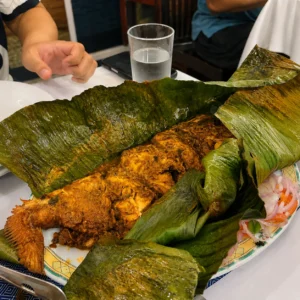
The fish is marinated with a blend of local spices, shallots, ginger, garlic, and chilli before being wrapped in banana leaves and slow-cooked.
The result is a richly flavoured dish that reflects both the lake’s ecological significance and Kerala’s long-standing culinary traditions.
Appam and Stew
A staple across Kerala, Appam and Stew remains one of the most comforting and widely enjoyed meals in the backwater region.
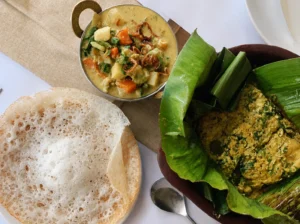
Soft, lace-edged rice pancakes are served alongside a delicately spiced coconut milk stew, often prepared with vegetables, chicken, or duck.
The combination reflects Kerala’s historic reliance on rice cultivation and coconut-based cooking, both of which remain central to everyday life along the lake.
Toddy-Shop Cuisine
Traditional toddy shops offer an opportunity to experience some of the region’s most authentic local flavours. Many serve recipes that have been passed down through generations, including spicy fish curries, duck roast, tapioca with fish, crab preparations, and seasonal village specialities.
These establishments continue to preserve culinary traditions that remain closely tied to the lifestyles of Kerala’s farming and fishing communities.
Freshwater Fish Traditions
The backwaters support a rich fishing culture that continues to influence local cuisine. Fresh catches such as pearl spot, prawns, shrimp, mussels, and other freshwater fish feature prominently in regional dishes.
Prepared using coconut, curry leaves, tamarind, and locally grown spices, these recipes reflect centuries of adaptation to the lake environment and remain an important part of both everyday meals and festive occasions.
Dining Along the Water
One of the most memorable aspects of visiting Vembanad is the opportunity to enjoy meals overlooking the tranquil backwaters.
Whether dining aboard a houseboat, at a lakeside homestay, or in a village restaurant, travellers often experience cuisine that is closely connected to the landscape itself.
The combination of fresh ingredients, traditional recipes, and serene waterfront settings creates a culinary experience that is inseparable from the identity of Kerala’s backwaters.
Why Vembanad Lake Rewards Slow Travellers
Vembanad is not a destination that reveals itself quickly.
Its greatest rewards emerge through observation rather than activity.
A fisherman adjusting his nets at dawn.
Birds rising from the wetlands.
Children travelling to school by boat.
Conversations with residents whose lives remain tied to the lake.
These experiences cannot be rushed.
For slow travellers, Vembanad offers something increasingly rare: the opportunity to witness a landscape where culture, ecology, and everyday life remain closely connected.
The lake encourages visitors to slow down, pay attention, and engage more deeply with the places they visit.
Best Time to Visit Vembanad Lake
October to March
Pleasant temperatures, clear skies, and excellent birdwatching opportunities make this the most popular season.
Monsoon Season (June to September)
The landscape becomes lush and dramatic, while waterways and wetlands come alive with renewed vitality.
Summer (March to May)
Temperatures can be high, but early mornings and evenings remain rewarding for photography and birdwatching.
Frequently Asked Questions About Vembanad Lake
Is Vembanad Lake the largest lake in Kerala?
Yes. Vembanad is the largest lake in Kerala and the longest lake in India.
Is Kumarakom located on Vembanad Lake?
Yes. Kumarakom sits along the eastern shores of Vembanad Lake.
What is Pathiramanal Island?
Pathiramanal is a small island within Vembanad Lake known for birdlife and wetland ecosystems.
Are houseboats the only way to explore Vembanad?
No. Visitors can also explore by shikara, canoe, public ferry, or guided village experiences.
Why is Vembanad important?
The lake supports agriculture, fisheries, transportation, biodiversity, and cultural traditions across central Kerala.
Vembanad Is Not an Attraction, It Is a Living Landscape
Many visitors arrive at Vembanad searching for Kerala’s famous backwater experience.
What they often discover instead is something much more meaningful.
They encounter a landscape shaped by centuries of interaction between people and water. They observe communities whose lives remain connected to the rhythms of the lake. They witness wetlands that support remarkable biodiversity and agricultural systems found nowhere else.
Vembanad is not simply a destination to visit.
It is a living cultural landscape that helps explain why Kerala remains one of India’s most distinctive and rewarding places to explore.
Related Blogs
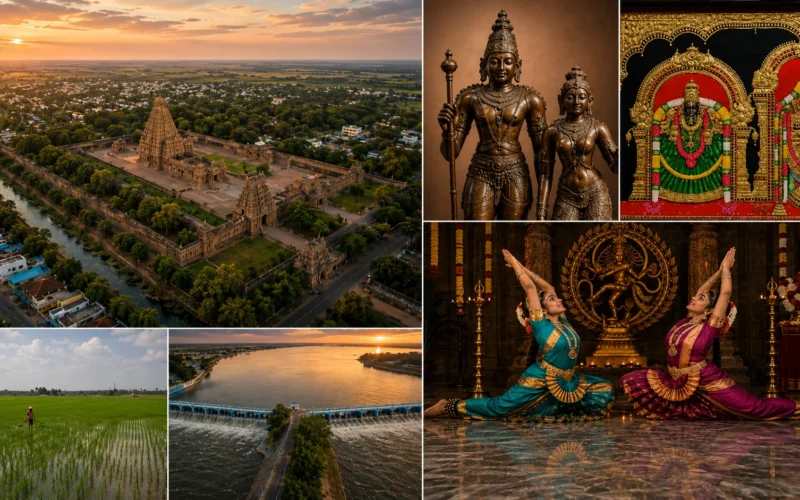
Thanjavur Beyond Brihadeeswara Temple: Exploring the Cultural Heart of the Cauvery Delta
More Than a Temple City For many travellers, Thanjavur begins and ends with Brihadeeswara Temple. The soaring vimana, vast courtyards,…
Read More ›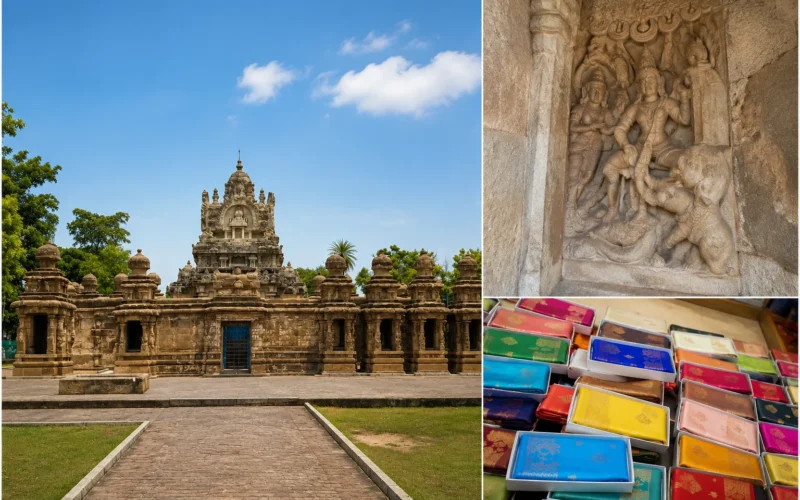
Kanchipuram: Sacred Architecture and Living Traditions
More Than the City of a Thousand Temples Kanchipuram is often introduced as the “City of a Thousand Temples.” While…
Read More ›