
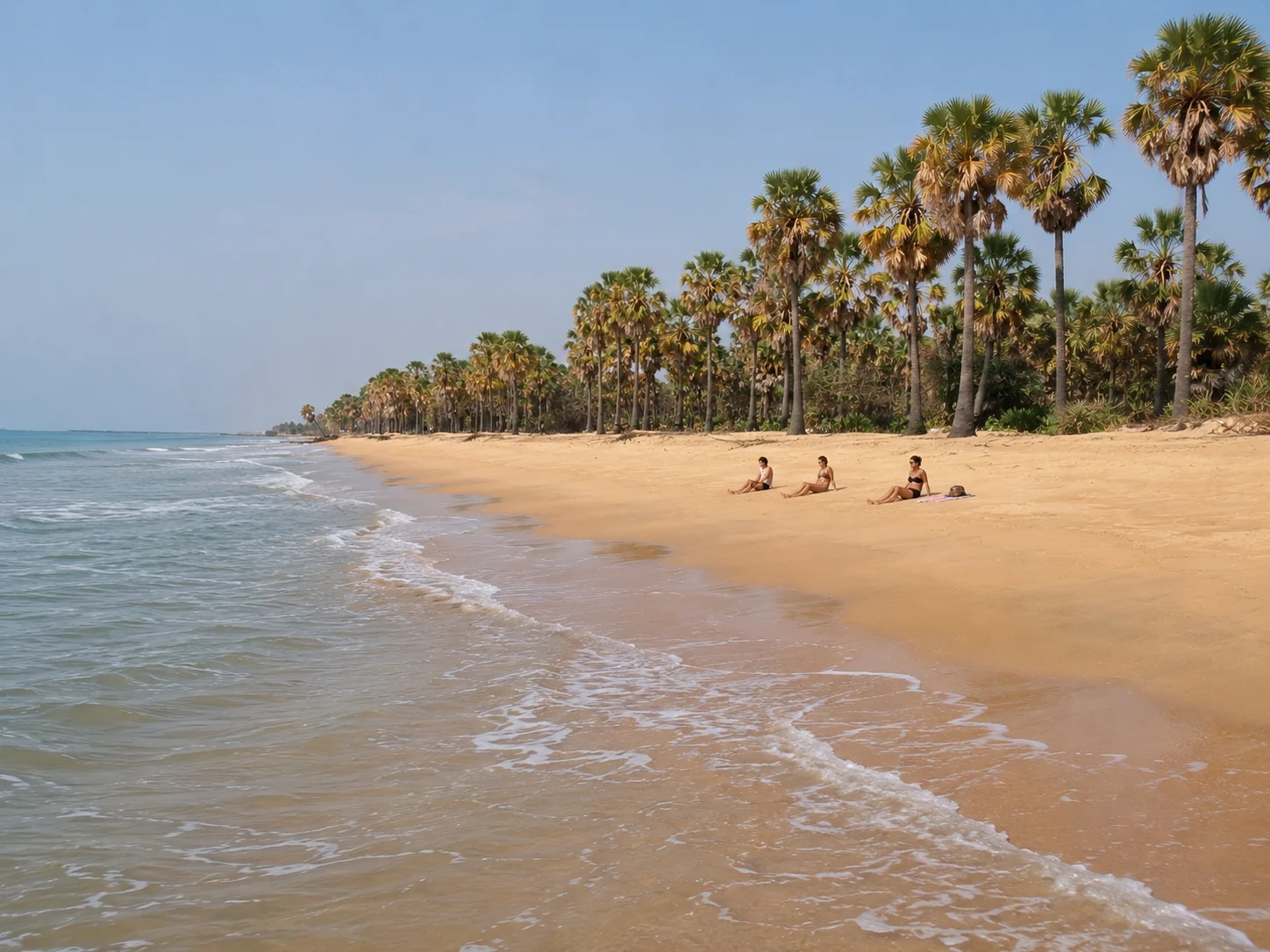
Vembar: Coastal Traditions, Palmyra Landscapes, and Slower Life Along Tamil Nadu’s Gulf of Mannar
A Slower Coastal Rhythm Along Tamil Nadu’s Gulf of Mannar
Along the quieter stretches of Tamil Nadu’s southern coastline, far removed from the state’s more familiar temple circuits and urban centres, Vembar unfolds through a rhythm shaped by the sea, wind, fishing traditions, and village life that continues at an unhurried pace.
Positioned along the Gulf of Mannar coast between Tuticorin and Rameswaram, Vembar offers a very different experience from the faster, commercially driven destinations that dominate most coastal tourism narratives. The atmosphere here feels grounded in everyday life rather than curated around sightseeing.
Fishing boats rest along the shoreline, palmyra trees rise beyond the villages, and narrow coastal roads move through landscapes where local routines remain closely connected to weather, tides, and seasonal rhythms.
For travellers exploring South Tamil Nadu beyond the mainstream routes, Vembar introduces a slower and more observational side of the region, one where cultural continuity matters more than spectacle.
A Different Side of Tamil Nadu’s Coast
The southern coastline surrounding the Gulf of Mannar carries a distinctly different character compared to many of Tamil Nadu’s better-known destinations. The landscape gradually becomes flatter and drier, shaped by salt air, open skies, and long stretches of wind-swept terrain where fishing communities have lived for generations.
In Vembar, the sea is not simply part of the scenery. It shapes the structure of daily life itself.
Early evenings often mark the beginning of fishing activity as boats gradually leave the shore and move into the waters of the Gulf of Mannar for overnight fishing.
Through the night, the sea becomes part of the fishermen’s working rhythm while the village itself grows quieter. By early morning, the coastline slowly comes back to life as boats return with their catches and fishing activity begins unfolding steadily across the shore.
Unlike heavily commercialised beach towns focused on entertainment and nightlife, Vembar remains connected to the routines of a working coastal settlement. This creates an environment where visitors are not constantly directed toward attractions or activities.
Instead, the experience emerges naturally through observation of the landscape and the people who continue living within it. Walking through the village often reveals moments that feel increasingly rare across more tourism-oriented regions of India.
Fishing nets dry beneath the sun while children move through narrow lanes between coastal homes and small roadside tea stalls. Churches shaped by the area’s long maritime and Catholic heritage stand quietly within the settlement while the coastline itself remains open, expansive, and relatively undisturbed.
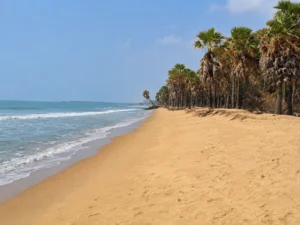
Vembar’s shoreline is also dotted with large stretches of palmyra trees that have long shaped the region’s coastal identity and local livelihoods. These palm groves remain closely connected to traditional practices such as palmyra jaggery production, palm-based crafts, and seasonal village economies that continue across parts of the Gulf of Mannar coast.
The appeal of Vembar lies precisely in this absence of excess movement.
Palmyra Landscapes and Traditional Jaggery Making
Beyond the fishing settlements, the surrounding region also carries strong connections to palmyra cultivation and traditional jaggery production, both of which remain closely tied to the cultural identity of South Tamil Nadu.
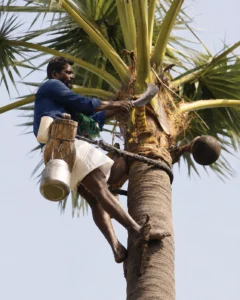
Palmyra trees have shaped livelihoods across this part of the state for generations. Even today, some communities continue practising traditional methods of collecting palm sap and slowly transforming it into palm jaggery using techniques passed down over decades.
The process unfolds gradually and almost entirely by hand.Palm climbers begin work early in the day, collecting fresh sap before it is transferred into large vessels and heated slowly over wood-fired stoves.
Smoke drifts through the workspaces while the liquid thickens steadily into dark palm jaggery known for its deep flavour and traditional significance across Tamil cuisine.
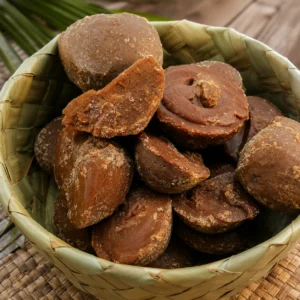
The experience feels deeply sensory. The scent of caramelising palm sap fills the air while heat rises from the boiling vessels and layers of smoke settle softly into the surrounding environment. Earthen surfaces darkened through years of repeated use reveal how closely these practices remain tied to everyday rural life rather than staged demonstrations for visitors.
For travellers seeking more grounded cultural experiences, observing these traditional processes often creates a far deeper connection to place than conventional sightseeing alone. The value lies not simply in watching something “traditional,” but in understanding how these slower systems of livelihood continue surviving within rapidly changing modern landscapes.
Village Life Beyond Tourism
One of the most distinctive qualities of Vembar is that tourism remains secondary to everyday life.
The village has not yet been reshaped entirely around visitor expectations, and this allows the atmosphere to remain unusually calm compared to many better-known destinations across South India.
The streets move at a slower rhythm. Coastal homes open toward quiet lanes while fishing activity continues steadily near the shore. Evenings bring softer light across the village as people gather outdoors and the coastline gradually cools after the day’s heat.
For slower travellers, these environments often feel more meaningful precisely because they are not heavily curated. The experience becomes less about consuming attractions and more about understanding a place through its routines, textures, and atmosphere.
This also changes the pace of travel itself.
Rather than moving rapidly between monuments or scheduled stops, time in Vembar encourages slower observation. The changing colours of the coastline, the sound of the sea against the shore, the movement of fishing boats in the distance, and the quiet continuity of village life all become part of the experience.
Meals also become closely connected to the local coastal environment. In some village settings, travellers may experience simple home-style seafood preparations prepared by our local hosts using freshly caught fish, crab, prawns, or traditional coastal recipes shaped by generations of fishing culture along the Gulf of Mannar.
Rather than formal dining experiences, these meals often reflect the everyday flavours of the region, prepared slowly using local spices, coconut, curry leaves, tamarind, and seasonal ingredients commonly found across Tamil Nadu’s southern coast.
In many ways, Vembar works best when approached without urgency.
The Gulf of Mannar Beyond Mainstream Tourism
The broader Gulf of Mannar region remains one of South India’s lesser-discussed coastal landscapes despite its ecological and cultural significance.
Stretching across the southeastern coastline between Tamil Nadu and Sri Lanka, the region contains fishing communities, shallow marine ecosystems, coastal settlements, and maritime traditions that have evolved over centuries.
Recognised under UNESCO’s Man and the Biosphere (MAB) Programme, the Gulf of Mannar Biosphere Reserve is considered one of India’s most ecologically important marine regions. Its waters support coral reefs, seagrass habitats, small island ecosystems, and a wide range of marine biodiversity that continues shaping the identity of the coastline.
The region is particularly associated with species such as dugongs, seahorses, dolphins, sea cucumbers, reef fish, and migratory coastal birdlife.
Among them, the dugong, often referred to as the “sea cow”, remains one of the Gulf of Mannar’s most sensitive and ecologically significant marine species, closely linked to the region’s shallow seagrass ecosystems.
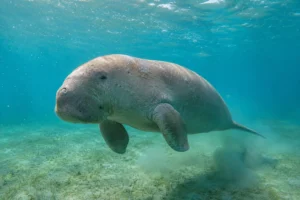
Yet compared to many mainstream coastal destinations, much of the Gulf of Mannar continues to exist outside large-scale tourism development.
This creates space for a different kind of travel experience, one that prioritises slower movement, ecological sensitivity, cultural understanding, and quieter forms of exploration rather than high-volume tourism infrastructure.
Vembar fits naturally within this broader landscape. It is not a destination built around major landmarks or commercial attractions. Instead, it offers something more subtle: the opportunity to experience South India’s southern coastline through its fishing traditions, village rhythms, marine-connected livelihoods, and long-standing relationship with the sea.
For travellers exploring longer Tamil Nadu journeys, Vembar often works best when connected with places such as Rameswaram, Chettinad, Madurai, or other quieter stretches of the Gulf of Mannar coast.
Why Vembar Feels Different
Many destinations attempt to create “experiences” for travellers. Vembar does not need to.
Its atmosphere emerges naturally from the continuity of coastal life itself.
The fishing traditions, palmyra landscapes, village rhythms, and slower pace of movement create an environment that feels grounded rather than performative. Luxury here is not defined through excess or exclusivity, but through stillness, cultural depth, and the growing rarity of places that continue existing outside the pressures of mass tourism.
For culturally curious travellers, Vembar offers a quieter and more reflective side of South India, one where the landscape encourages observation rather than speed.
Within broader Tamil Nadu journeys, it becomes less a destination to “cover” and more a place to pause, slow down, and experience the Gulf of Mannar coast with greater attention and context.
Related Blogs
Thanjavur Beyond Brihadeeswara Temple: Exploring the Cultural Heart of the Cauvery Delta
More Than a Temple City For many travellers, Thanjavur begins and ends with Brihadeeswara Temple. The soaring vimana, vast courtyards,…
Read More ›
Kanchipuram: Sacred Architecture and Living Traditions
More Than the City of a Thousand Temples Kanchipuram is often introduced as the “City of a Thousand Temples.” While…
Read More ›