
Vamana Therapy in Ayurveda – Process, Indications & What to Expect
Introduction to Vamana Therapy
Vamana therapy is one of the five classical procedures within Panchakarma, the structured detoxification system described in Ayurveda.
Unlike general wellness cleanses or commercially marketed detox programmes, Vamana is a physician-supervised therapeutic intervention designed to eliminate aggravated Kapha dosha through controlled therapeutic emesis.
In Ayurveda, this process is not performed as a standalone wellness activity. It forms part of a broader Panchakarma framework that includes preparation, supervised treatment, recovery, dietary regulation, and post-therapy stabilisation.
Because of its intensity and therapeutic nature, Vamana therapy is traditionally conducted only after careful evaluation by a qualified Ayurvedic physician.
The therapy is most commonly associated with Kapha-dominant imbalances involving congestion, heaviness, mucus accumulation, sluggish digestion, and certain respiratory or metabolic patterns.
Classical Ayurvedic texts describe Vamana as a cleansing process intended to remove accumulated toxins (Ama) and restore systemic balance through the elimination pathway.
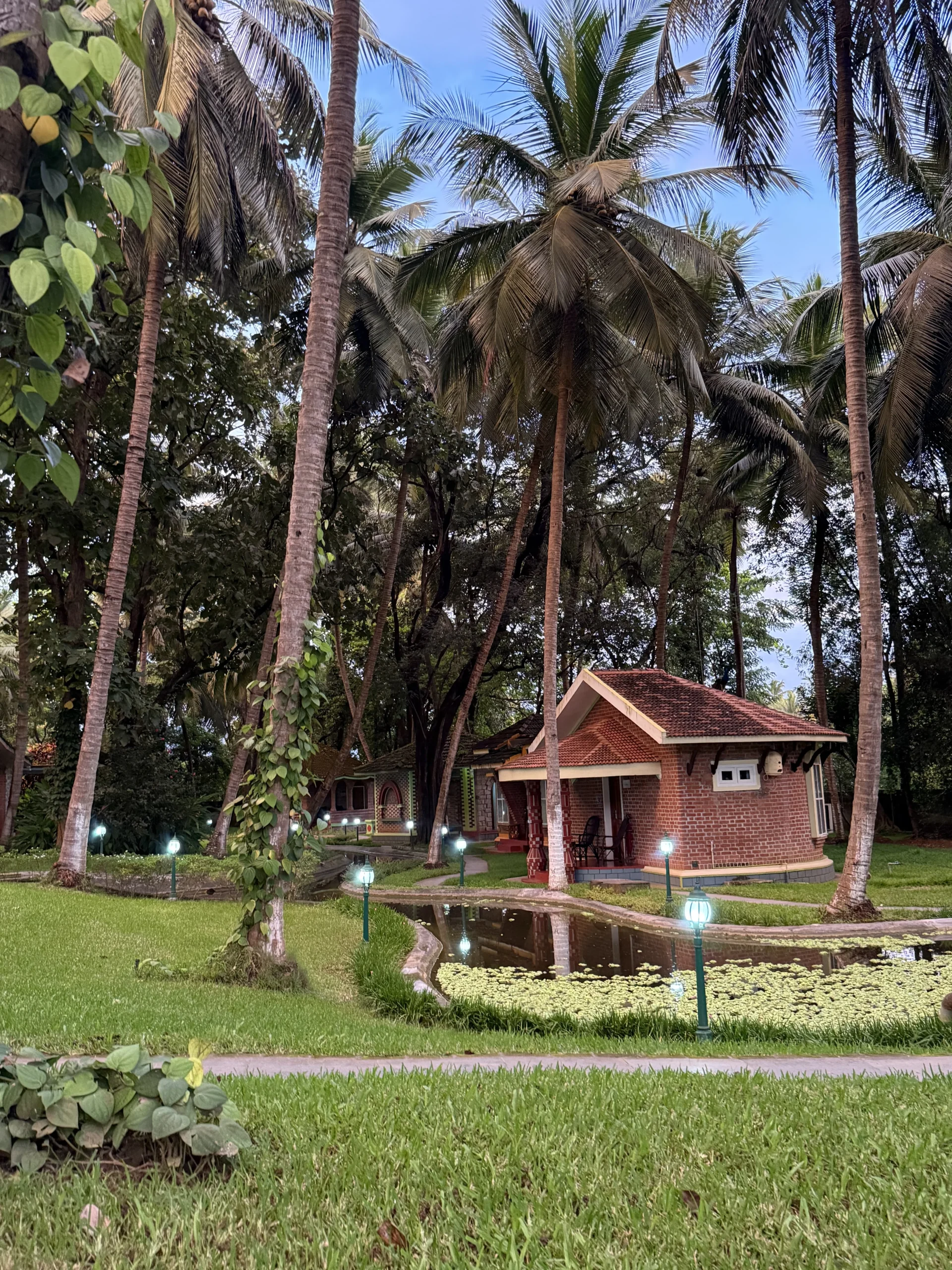
In Kerala, Vamana therapy is often integrated within physician-led Panchakarma programmes conducted in structured Ayurveda retreat environments, where treatment schedules, diet, rest, and recovery are monitored together. This broader therapeutic context plays an important role in how Vamana is traditionally approached within Kerala Ayurveda systems.
Understanding the role of Vamana within Panchakarma is therefore essential before viewing it as a wellness experience or detox trend. The therapy follows a defined clinical process rooted in Ayurvedic principles rather than a generic cleansing routine.
What Is Vamana Therapy in Ayurveda?
Vamana therapy in Ayurveda is a therapeutic elimination procedure primarily intended for the removal of aggravated Kapha dosha from the upper gastrointestinal tract and respiratory system.
It is one of the principal Panchakarma therapies and is traditionally performed under physician supervision within a structured treatment sequence.
In Ayurvedic theory, disease development is often associated with doshic imbalance and the accumulation of Ama, a term used to describe improperly processed metabolic waste resulting from impaired digestion (Agni). When Kapha combines with Ama, it may contribute to heaviness, congestion, excessive mucus production, and sluggish metabolic patterns.
Vamana therapy is intended to eliminate this accumulated Kapha through controlled therapeutic emesis after the body has been properly prepared. Unlike spontaneous vomiting associated with illness, the process follows a regulated Ayurvedic framework that includes preparation, supervised elimination, monitoring, and recovery.
Within Panchakarma Ayurveda, different elimination therapies are selected according to the dominant doshic imbalance. While Vamana is associated with Kapha elimination, therapies such as Virechana focus primarily on Pitta-related cleansing through controlled purgation.
The selection of therapy depends on constitution, digestive strength, imbalance patterns, and physician assessment. The role of controlled purgation within Panchakarma is explored further in our guide on Virechana therapy in Ayurveda.
Classical Ayurvedic texts also describe Vamana as a method for clearing obstructions affecting the Srotas, or bodily channels responsible for circulation and transport within the body.
Because of its therapeutic intensity, Vamana therapy in Ayurveda is generally conducted within structured Kerala Panchakarma environments where preparation, procedure, recovery, and physician supervision can be managed systematically.
Conditions Traditionally Associated With Vamana
In classical Ayurveda, Vamana therapy is traditionally associated with Kapha-dominant disorders and conditions involving congestion, heaviness, excessive mucus accumulation, or impaired metabolic function.
However, the therapy is not considered universally appropriate and is prescribed only after individual assessment by an Ayurvedic physician.
Ayurvedic texts commonly describe Vamana in relation to respiratory and Kapha-related imbalances. These may include chronic congestion, excessive phlegm accumulation, recurrent respiratory irritation, and certain sinus-related conditions where Kapha aggravation is believed to play a dominant role.
The therapy is intended to remove accumulated Kapha from the upper regions of the body through controlled elimination.Vamana is also classically associated with certain metabolic and digestive patterns linked to sluggish digestion and toxin accumulation.
In Ayurveda, impaired digestive fire (Agni) and the presence of Ama are considered central to many systemic imbalances, and therapies such as Vamana are viewed as methods for restoring internal balance when Kapha predominance is present.
Certain skin conditions are also described within Ayurvedic literature as being associated with toxin accumulation and Kapha-Pitta imbalance, which may influence whether Vamana is considered within a broader Panchakarma programme.
However, treatment decisions remain highly individualised and depend on multiple factors beyond symptoms alone.
Importantly, Vamana therapy is not selected solely based on disease labels. Ayurvedic physicians evaluate constitution, digestive strength, age, recovery capacity, seasonal suitability, and the nature of doshic imbalance before recommending treatment. This individualised assessment is a defining feature of structured Panchakarma therapy in Kerala Ayurveda systems.
Because of these considerations, Vamana should not be approached as a general-purpose detox treatment or self-administered cleansing practice. Its traditional use is closely tied to physician-led evaluation and supervised therapeutic planning.
Preparation Phase Before Vamana (Purvakarma)
The preparation phase before Vamana, known in Ayurveda as Purvakarma, is considered one of the most important components of the therapy. Vamana is not performed abruptly or independently; instead, the body is gradually prepared through a sequence of procedures intended to mobilise accumulated doshas and improve treatment readiness.
One of the primary preparatory methods is Snehana, or oleation therapy. This may involve both internal and external application of medicated oils or ghee under physician guidance. In Ayurvedic theory, oleation helps loosen and mobilise accumulated toxins and doshas from deeper tissues toward the gastrointestinal tract, where elimination therapies can act more effectively.
Another important preparatory process is Swedana, or therapeutic sweating. Herbal steam or heat therapies are commonly used to support circulation, soften tissues, and further mobilise accumulated Kapha. These procedures are usually integrated with dietary regulation and controlled daily routines.
Dietary preparation also plays a significant role before Vamana therapy. Meals are typically adjusted to support digestion while gradually preparing the body for elimination. Sleep patterns, physical activity, and daily schedules may also be modified as part of the preparatory phase to stabilise the body before treatment.
During this stage, Ayurvedic physicians continuously monitor digestive response, physical condition, and treatment readiness. The duration of Purvakarma varies depending on the individual and the overall Panchakarma programme structure.
This preparation phase is one of the reasons Vamana therapy is considered a structured Ayurvedic treatment rather than a rapid detox procedure. In physician-supervised Kerala Panchakarma settings, Purvakarma is treated as an essential therapeutic foundation that directly influences both treatment response and recovery quality.
How Vamana Therapy Is Performed
Vamana therapy is generally performed early in the morning, when Kapha dosha is considered naturally dominant according to Ayurvedic principles. The procedure takes place under continuous supervision by a qualified Ayurvedic physician within a controlled treatment environment.
Before treatment begins, the individual is assessed for readiness based on digestion, sleep, physical condition, and response to the preparatory phase. Specific herbal preparations or medicated liquids are then administered according to the individual’s constitution and treatment objectives.
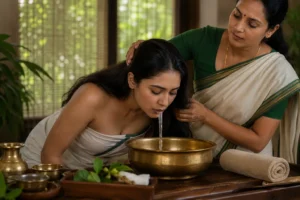
The therapy involves controlled therapeutic emesis intended to eliminate aggravated Kapha from the upper gastrointestinal tract and respiratory system. During the process, physicians monitor the body’s response carefully to assess the quality and adequacy of elimination.
The environment during Vamana is typically kept calm and regulated, as the therapy can be physically demanding. Following completion, the individual is advised to rest while the recovery phase begins gradually under supervision.
Within structured Kerala Panchakarma programmes, Vamana therapy is therefore approached as a regulated therapeutic procedure rather than a general detox activity.
What to Expect During & Immediately After Vamana
Vamana therapy differs significantly from general wellness treatments or spa-based detox experiences. The procedure can be physically intensive, and individual responses vary depending on constitution and treatment goals.
During the therapy, individuals may experience nausea, sweating, heaviness, salivation, or fatigue as the elimination process progresses. Ayurvedic physicians monitor these responses closely throughout the procedure.
Following completion, temporary tiredness and physical weakness are relatively common. Because digestive strength becomes temporarily reduced after Vamana, rest and recovery are considered essential parts of the treatment process.
Some individuals may experience reduced congestion, lightness, or improved clarity after recovery, although responses vary between individuals. Physical exertion, heavy meals, and excessive activity are generally avoided immediately after treatment while the body stabilises gradually.
In Kerala Ayurveda settings, this recovery phase is usually integrated within a broader Panchakarma schedule involving rest, dietary regulation, and physician observation.
Diet After Vamana Therapy
Diet after Vamana therapy plays a decisive role in recovery, particularly in restoring digestive stability following therapeutic elimination. In Ayurveda, digestion is considered temporarily weakened after Panchakarma procedures, making post-treatment dietary management essential.
The dietary protocol followed after Vamana is commonly known as Sansarjana Krama, a gradual progression of foods intended to rebuild digestive strength without overloading the system. Meals are usually introduced in stages according to the individual’s recovery response and physician guidance.
Initially, food is kept light, warm, and easy to digest. Thin rice gruels, lightly cooked rice, and simple soups are commonly introduced before gradually progressing toward regular meals. Heavy, oily, processed, or difficult-to-digest foods are generally avoided during recovery.
Hydration, meal timing, and digestive pacing are also considered important after Vamana therapy. In Kerala Panchakarma settings, dietary progression is often monitored alongside rest and overall recovery patterns.
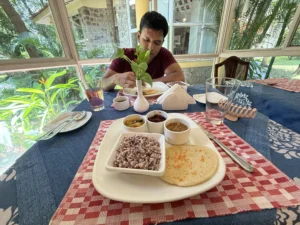
Diet after Panchakarma plays a decisive role during the recovery phase, particularly in restoring digestive stability following Vamana therapy. More detailed guidance on this phase can be found in our guide on diet after Panchakarma.
Duration, Supervision & Kerala Panchakarma Context
Vamana therapy is typically performed within a broader Panchakarma programme rather than as a standalone procedure. The duration varies depending on the individual’s condition, preparation requirements, and recovery response.
In Kerala Panchakarma programmes, the process may extend across several days or weeks when preparation, treatment, and recovery are considered together. Short wellness-style detox formats are generally viewed as insufficient for structured Panchakarma therapies because preparation and recovery are integral parts of the process.
Medical supervision is one of the defining aspects of Vamana therapy. Ayurvedic physicians assess suitability before treatment and continue monitoring throughout the procedure and recovery phase.
Kerala is strongly associated with physician-led Panchakarma due to its established Ayurvedic treatment traditions and retreat environments designed for longer therapeutic stays. In these settings, treatment is integrated with controlled diet, rest, and recovery routines.
In Kerala, physician-supervised Ayurveda programmes are often integrated with slower recovery environments, dietary management, and regionally grounded wellness routines.
Who Should Avoid Vamana Therapy?
Although Vamana therapy is an important Panchakarma procedure, it is not considered suitable for everyone. Ayurvedic physicians traditionally evaluate constitution, physical strength, digestive stability, age, and recovery capacity before recommending treatment.
Individuals experiencing significant weakness, severe exhaustion, pregnancy, acute illness, or frailty may not be considered appropriate candidates for Vamana therapy. Suitability also depends on seasonal conditions and overall treatment readiness.
Ayurveda places strong emphasis on individual assessment rather than applying detox procedures universally. Even when Vamana is traditionally indicated, treatment may be postponed if the body is not adequately prepared.
Another important concern is the rise of unsupervised detox practices marketed outside traditional Ayurvedic systems. Because Vamana involves controlled therapeutic emesis, attempting similar practices without physician supervision may lead to unnecessary physical stress or improper recovery.
Within Kerala Panchakarma systems, Vamana therapy is approached as a physician-led therapeutic intervention rather than a self-directed cleansing practice or commercial detox trend.
Vamana Therapy vs Commercial Detox Trends
In recent years, detox programmes and cleansing retreats have become increasingly popular within the global wellness industry. However, Vamana therapy in Ayurveda differs significantly from commercial detox trends in both purpose and structure.
Most commercial detox programmes are designed around short-term cleansing concepts, restrictive diets, juice fasts, or wellness packages intended for general relaxation. Vamana, in contrast, is a physician-supervised Panchakarma therapy rooted in classical Ayurvedic principles and performed only after individual assessment and preparation.
One of the major differences lies in the treatment process itself. In Ayurveda, Vamana is not approached as a quick cleansing method or universally applicable wellness activity. The therapy involves preparatory procedures, controlled elimination, dietary recovery, and post-treatment observation, all of which are considered essential parts of the therapeutic outcome.
Commercial detox formats often prioritise convenience and short durations, whereas structured Panchakarma programmes in Kerala are typically designed around slower recovery cycles and medically supervised treatment schedules. This distinction is important because the effectiveness of Ayurvedic therapies depends heavily on preparation, constitution, digestive strength, and recovery management.
The growing popularity of detox culture has also led to the oversimplification of Panchakarma procedures outside traditional Ayurvedic systems. As a result, therapies such as Vamana are sometimes presented as general wellness experiences rather than intensive therapeutic interventions requiring supervision and recovery planning.
Understanding these differences helps place Vamana therapy within its original Ayurvedic context, where treatment is approached as a coordinated therapeutic process rather than a commercial detox trend.
Conclusion
Vamana therapy is one of the most structured and clinically intensive procedures within Panchakarma Ayurveda. Traditionally performed for Kapha-dominant imbalances, the therapy follows a carefully regulated process involving preparation, supervised elimination, dietary recovery, and post-treatment stabilisation.
Unlike general detox programmes or wellness cleanses, Vamana is approached within Ayurveda as a physician-led therapeutic intervention that requires individual assessment, controlled treatment conditions, and adequate recovery support. Preparation and post-treatment care are considered just as important as the procedure itself.
Kerala continues to play an important role in the practice of structured Panchakarma due to its established Ayurvedic treatment traditions and retreat environments designed for extended therapeutic care.
In these settings, Vamana therapy is integrated with physician supervision, dietary regulation, rest, and slower recovery schedules that support the broader treatment process.
When approached within an authentic Ayurvedic framework, Vamana therapy is not simply about detoxification, but about restoring systemic balance through a coordinated therapeutic process rooted in classical Ayurveda.
Related Blogs

Rakta Mokshana (Raktamokshana) Ayurveda’s Forgotten Fifth Therapy
Understanding Rakta Mokshana: Ayurveda’s Forgotten Fifth Panchakarma Therapy When people think of Panchakarma, they often associate it with therapies such…
Read More ›
Ayurveda and Sleep: Can Kerala Ayurveda Help You Sleep Better?
Why Sleep Has Become a Modern Health Challenge Sleep should be one of the most natural functions of the human…
Read More ›