
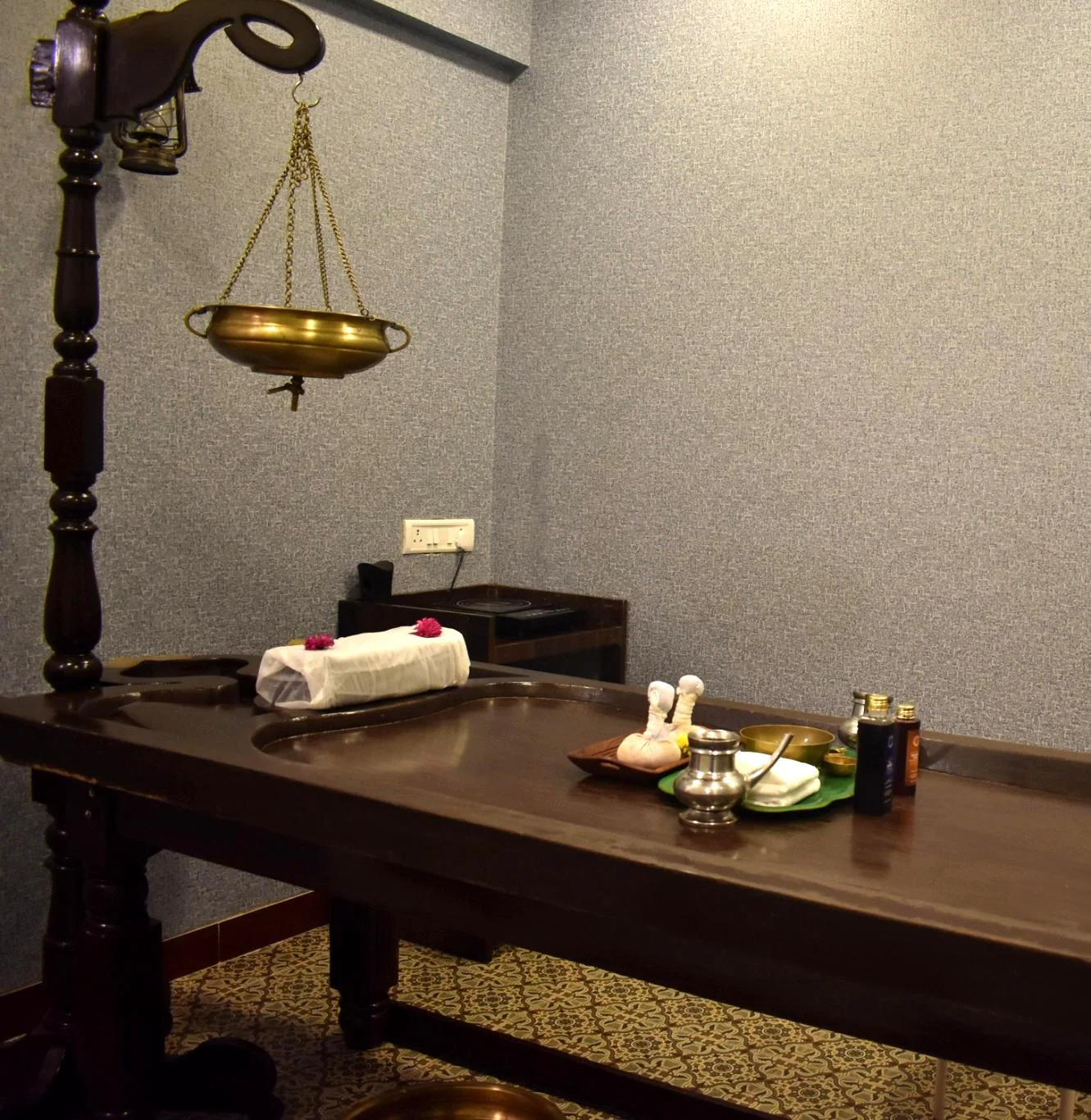
Virechana Therapy in Ayurveda – Process, Diet, Cost & What to Expect
Introduction
Virechana therapy is a classical Ayurvedic procedure involving controlled purgation, designed to eliminate accumulated toxins from the body through the lower gastrointestinal tract. It forms one of the primary components of Panchakarma, the structured system of bio-cleansing therapies used in Ayurveda to restore physiological balance.
Within this framework, Virechana is specifically applied in conditions associated with Pitta imbalance, particularly those involving digestion, metabolism, and the liver-intestinal axis.
The procedure is not performed in isolation, but as part of a carefully sequenced process that includes preparation, administration, and post-treatment care.
As outlined in Panchakarma Treatment, the effectiveness of any cleansing intervention depends not only on the procedure itself, but also on how the body is prepared and supported afterward. This blog examines Virechana therapy in detail, including its process, dietary considerations, recovery, and associated factors.
What is Virechana Therapy
Virechana therapy refers to a controlled therapeutic purgation used in Ayurveda to eliminate excess Pitta and associated toxins from the body. The term “Virechana” is derived from Sanskrit, meaning expulsion or cleansing, and in clinical practice, it involves the regulated administration of purgative substances under supervision.
As a core component of Panchakarma, virechana treatment is not a standalone intervention but part of a structured sequence that includes preparation and recovery.
Its primary role is to address Pitta imbalance, which in Ayurvedic understanding is linked to heat, transformation, and metabolic activity within the body.
When Pitta becomes aggravated, it can affect systems related to digestion, skin, and liver function. Virechana is applied to reduce this excess by directing elimination through the intestinal pathway.
The therapy is closely associated with the liver–intestine axis, as Ayurveda considers these organs central to processing and expelling metabolic waste. By facilitating downward elimination, virechana treatment aims to restore balance in digestive function and support systemic regulation.
The effectiveness of the procedure depends on proper preparation, appropriate indication, and careful post-treatment management.
Why Virechana is Done
In Ayurvedic practice, Virechana therapy is undertaken to address the accumulation of Ama, a term used to describe incompletely processed metabolic waste that circulates within the body.
When digestion is impaired or irregular, this accumulation can interfere with normal physiological functions and contribute to systemic imbalance.
Virechana is particularly indicated in conditions where Pitta dosha is aggravated. Pitta is associated with heat, transformation, and biochemical activity, and its imbalance is often reflected in disturbances related to digestion, liver function, skin expression, and metabolic regulation.
Rather than suppressing symptoms, the approach focuses on facilitating elimination through the intestinal pathway, which is considered a primary route for Pitta clearance.
From a functional perspective, the therapy is applied in the context of digestive and metabolic imbalance, where the body’s capacity to process and eliminate waste is compromised. By supporting downward elimination, Virechana aims to reduce internal load and restore balance within these systems.
In this context, references to virechana benefits should be understood within a clinical framework, where outcomes depend on appropriate indication, preparation, and post-treatment care, rather than as generalized or uniform effects.
Who Should Undergo Virechana
Virechana therapy is considered in individuals presenting with patterns of imbalance associated primarily with aggravated Pitta and impaired digestion. In Ayurvedic clinical practice, this may include conditions where there is persistent digestive disturbance, irregular metabolism, or manifestations at the level of the skin that are linked to internal imbalance.
The therapy is also evaluated in cases where there is a need to regulate elimination and restore functional stability within the gastrointestinal system.
It is important to note that Virechana is not a generalized or routine intervention. The suitability of virechana treatment depends on a detailed assessment of the individual’s constitution (Prakriti), current imbalance (Vikriti), digestive strength (Agni), and overall health status.
Factors such as age, strength, and presence of other conditions are also considered before recommending the procedure.
Search queries such as virechana for weight loss often arise from its association with metabolic regulation. However, within Ayurveda, the therapy is not prescribed as a standalone method for weight reduction, but rather as part of a broader approach to correcting underlying imbalances when clinically indicated.
Virechana Procedure – Step-by-Step Process
The virechana procedure is conducted as a structured, multi-phase intervention within Ayurveda, designed to prepare the body, facilitate controlled elimination, and ensure proper stabilization afterward.
The effectiveness of the virechana process depends on adherence to each stage, rather than the purgation phase alone.
1. Preparation (Purva Karma)
The initial phase focuses on mobilizing accumulated toxins and preparing the body for elimination. This includes internal oleation (Snehana), where medicated ghee or oils are administered to loosen and bind toxins within the system. Alongside this, external therapies such as oil massage are used to support circulation and tissue softening.
This is followed by Swedana (sweating therapy), which helps further liquefy toxins and direct them toward the gastrointestinal tract. Proper preparation is essential to ensure that elimination occurs effectively and without strain.
2. Main Procedure (Pradhana Karma)
In the main phase of the virechana process, a carefully selected purgative formulation is administered under supervision. The objective is to induce controlled elimination through the lower gastrointestinal tract. The response is monitored in terms of frequency, consistency, and overall tolerance.
This phase is not abrupt or forceful; it is regulated to achieve therapeutic cleansing while maintaining physiological stability.
3. Observation Phase
Following elimination, the body enters a sensitive state that requires close observation. This phase involves monitoring the individual’s response, including energy levels, hydration, and digestive function. Gradual stabilization is supported through rest and controlled dietary progression.
The observation phase ensures that the effects of the virechana procedure are integrated safely, reducing the risk of imbalance after treatment.
What Happens in the Body
Following the virechana procedure, the body enters a transitional phase characterized by increased sensitivity and functional adjustment. One of the primary changes observed is the temporary weakening of Agni, the digestive fire.
As elimination has been induced, the digestive system requires time to regain its normal strength, making it less capable of handling heavy or complex foods immediately after the therapy.
At the same time, there is a phase of increased absorption. With the gastrointestinal tract cleared, the body becomes more receptive to nutrients, but also more vulnerable to inappropriate dietary intake.
This heightened absorptive state requires careful dietary control to ensure that only suitable, easily digestible substances are introduced.
This period is often described as a system reset phase, where metabolic and digestive processes begin to recalibrate. The internal environment is more responsive, but not yet stable.
The body is open, not yet stable, and the way it is supported during this phase determines whether balance is restored effectively or disrupted again.
Diet After Virechana – What to Eat and What to Avoid
The diet after Virechana is a critical component of the overall therapeutic process, as the digestive system remains sensitive and functionally reduced following controlled elimination. During this phase, the focus is on gradually restoring Agni while supporting stable absorption.
The question of what to eat after Virechana should be approached with attention to sequence, simplicity, and digestibility rather than variety.
✔ What to Eat
In the initial stages, food should be light, warm, and freshly prepared. Traditionally, this begins with rice gruel (kanji), which is easy to digest and helps reintroduce nourishment without overloading the system.
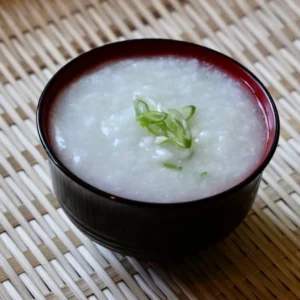
As digestive capacity improves, the diet can progress to soft rice-based meals and well-cooked vegetables, maintaining a simple composition. The emphasis remains on foods that are gentle on the gastrointestinal tract and do not require complex digestion.
❌ What to Avoid
Certain categories of food can interfere with recovery and should be avoided during this phase. These include raw foods, which are harder to digest; cold foods, which can further weaken Agni; heavy proteins, which demand stronger digestive capacity; and fried or processed items, which can disrupt the stabilization process.

Introducing such foods prematurely may lead to digestive discomfort or reversal of the therapeutic effects.
For a broader understanding of post-cleansing dietary progression, refer to the detailed guide on diet after Panchakarma, which outlines how nutrition supports recovery across different therapies.
Recovery & Lifestyle After Virechana
Recovery after Virechana extends beyond dietary management and requires a controlled approach to daily activity and environmental exposure.
Following the procedure, the body remains in a sensitive state, with reduced digestive strength and ongoing physiological adjustment. During this period, adequate rest is essential to support stabilization and prevent unnecessary strain on the system.
It is equally important to avoid overstimulation, both physical and mental. Excessive screen exposure, travel, social activity, or irregular schedules can disrupt the recovery phase and interfere with the restoration of balance.
The objective is to maintain a predictable and low-intensity routine that allows the body to recalibrate gradually.A gentle daily routine should be followed, including light movement such as slow walking, without engaging in exertive practices.
Intense physical activity, including workouts, running, or strength training, should be avoided until digestive strength and overall stability are restored. Premature exertion may lead to fatigue or compromise the effects of the procedure.
This phase of recovery is not passive but structured. The way rest, activity, and routine are managed during this period plays a significant role in determining the long-term outcome of Virechana therapy.
Virechana Cost – What Determines Pricing
The virechana cost can vary significantly depending on multiple clinical and logistical factors. As a structured Ayurvedic intervention, pricing is not limited to the procedure itself but includes preparation, supervision, and recovery support.
One of the primary determinants of virechana treatment cost is the type of centre where the therapy is conducted. Facilities with dedicated medical supervision, trained practitioners, and controlled environments typically have higher associated costs compared to basic setups.
The duration of treatment also plays a role, as Virechana is preceded by preparatory therapies and followed by a monitored recovery phase, both of which contribute to overall pricing.
Another key factor is the level of medical supervision involved. Individualized assessment, monitoring during the procedure, and post-treatment guidance require professional oversight, which influences cost. Additionally, locationimpacts pricing, with established Ayurvedic destinations and specialized centres often reflecting higher operational standards.
Overall, the virechana cost should be understood in the context of a comprehensive therapeutic process rather than a single isolated procedure.
Risks and Considerations
Virechana therapy is a structured medical intervention within Ayurveda and is not suitable for all individuals. Its application depends on factors such as age, strength, digestive capacity, and the nature of the underlying imbalance. Without proper assessment, the procedure may not be appropriate or effective.
The therapy requires supervision by a qualified Ayurvedic practitioner at every stage, including preparation, administration, and recovery. Clinical judgment is essential in determining dosage, monitoring response, and managing post-procedure care. Self-administration or unsupervised attempts can lead to complications.
Improper practice risks include excessive purgation, dehydration, weakness, and disturbance of digestive function. Inadequate preparation or incorrect dietary progression after the procedure may also disrupt recovery and reduce the intended therapeutic effect.
For these reasons, Virechana should always be approached as a supervised and individualized process, rather than a generalized or self-directed detox method.
Closing
Virechana therapy is a structured Ayurvedic intervention that extends beyond the procedure itself. While the virechana process focuses on controlled elimination, its effectiveness is closely linked to appropriate preparation, careful execution, and disciplined recovery. Each phase contributes to how the body responds and stabilizes over time.
Rather than being viewed as a standalone cleansing method, virechana therapy should be understood within a broader clinical framework, where outcomes depend on correct indication and adherence to post-treatment guidelines. The long-term value of the therapy lies not only in the procedure, but in how consistently the recovery phase is managed.
Related Blogs

Rakta Mokshana (Raktamokshana) Ayurveda’s Forgotten Fifth Therapy
Understanding Rakta Mokshana: Ayurveda’s Forgotten Fifth Panchakarma Therapy When people think of Panchakarma, they often associate it with therapies such…
Read More ›
Ayurveda and Sleep: Can Kerala Ayurveda Help You Sleep Better?
Why Sleep Has Become a Modern Health Challenge Sleep should be one of the most natural functions of the human…
Read More ›