
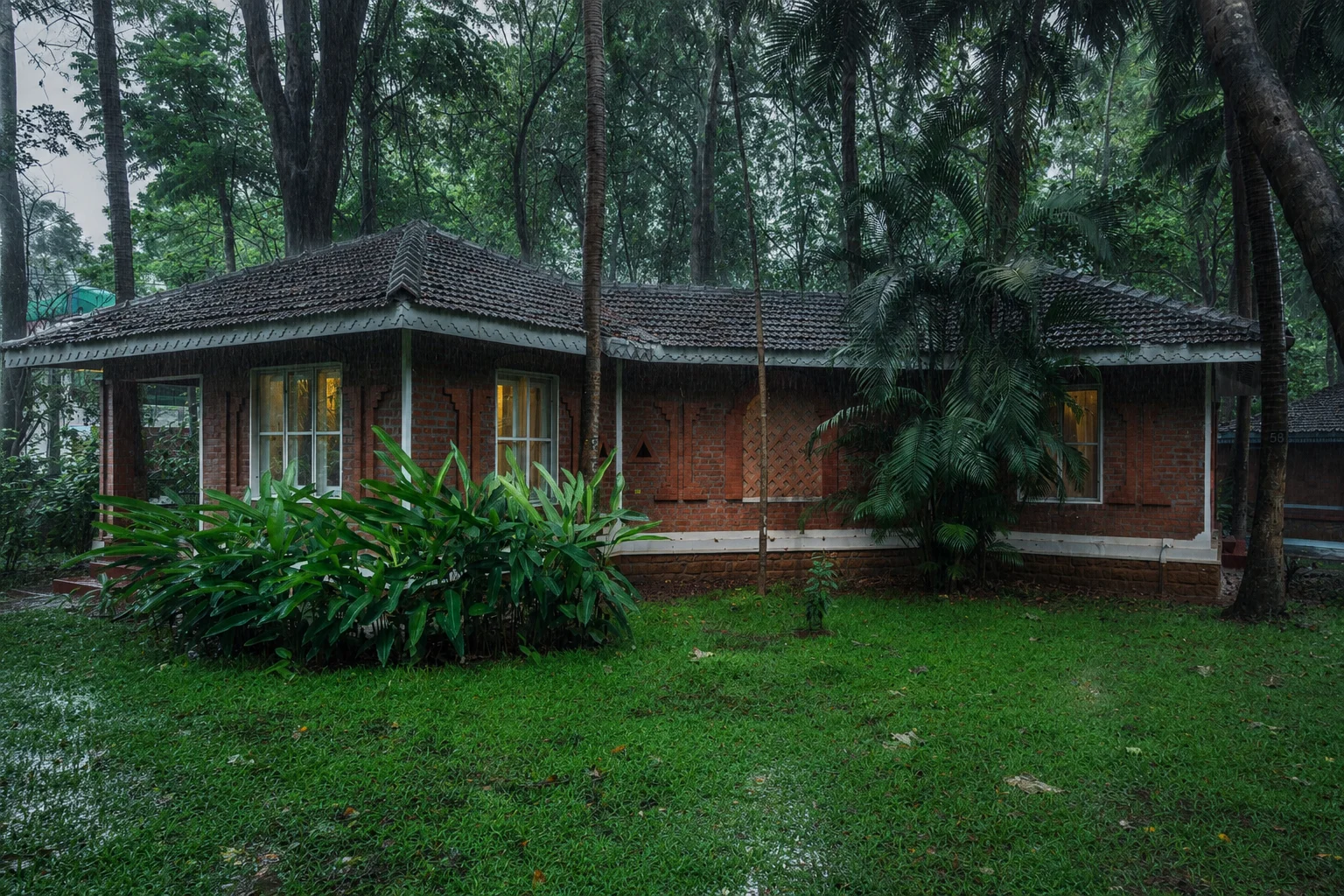
Monsoon Ayurveda in Kerala: Why the Rainy Season Is Considered Ideal for Treatment
Why Many Travellers Choose Kerala During the Monsoon
For most travellers, the arrival of the monsoon signals a season to avoid. Rainy days, cloudy skies, and unpredictable weather are often seen as obstacles to sightseeing and outdoor exploration.
Yet in Kerala, the monsoon attracts a very different kind of visitor. Every year, wellness travellers from India and around the world deliberately choose the rainy season for their Ayurvedic journeys.
This preference is rooted in a tradition that extends far beyond modern wellness tourism. Within Kerala’s Ayurvedic heritage, the monsoon has long been regarded as a particularly significant period for therapeutic care and rejuvenation.
Many treatment centres and Ayurvedic physicians continue to view the rainy months as an important season for structured wellness programmes.
Part of the appeal lies in the atmosphere itself. As rain nourishes Kerala’s landscapes, the state transforms into a vibrant environment of lush greenery, flowing waterways, and cooler temperatures.
The pace of life often feels slower and more reflective. Crowds are smaller, the landscape appears refreshed, and the environment encourages rest rather than constant activity.
For travellers seeking recovery from stress, burnout, or demanding lifestyles, this seasonal shift can be especially appealing. The monsoon creates conditions that naturally encourage people to slow down, spend more time indoors, and focus on wellbeing.
This is one reason why Kerala’s rainy season has become closely associated with Ayurveda. While treatments remain important, the experience extends beyond therapy rooms. The monsoon itself becomes part of a broader environment that supports restoration, reflection, and recovery.
Is the Monsoon the Best Time for Ayurveda Treatment in Kerala?
One of the most frequently asked questions among wellness travellers is whether the monsoon is truly the best time to experience Ayurveda in Kerala.
The answer depends on individual goals, but there are clear reasons why the rainy season occupies a special place within Ayurvedic tradition.
Unlike conventional holidays, Ayurvedic programmes are not designed primarily around sightseeing opportunities or outdoor activities.
Their focus is wellbeing, recovery, and therapeutic care. As a result, the criteria used to evaluate the ideal season are often different from those used by leisure travellers.
Traditionally, many Ayurvedic practitioners have regarded the monsoon as particularly favourable for certain therapies and wellness programmes.
Classical Ayurvedic thinking places considerable importance on seasonal rhythms and the relationship between environmental conditions and human wellbeing.
The monsoon is viewed as a period when the body may respond differently to therapeutic practices compared to hotter or drier seasons.
The rainy months also encourage a slower lifestyle. Travellers often spend more time focusing on treatments, wellness activities, and recovery rather than dividing attention between multiple sightseeing commitments. This can help create a more immersive and intentional experience.
However, describing the monsoon as the universally best season would be an oversimplification. Some travellers prefer Kerala’s cooler winter months, while others may prioritise beach holidays or cultural exploration alongside wellness activities.
The ideal season ultimately depends on personal preferences, travel objectives, and the nature of the programme being undertaken.
What remains clear is that the monsoon occupies a distinctive place within Kerala’s Ayurvedic culture. For those seeking a retreat centred on recovery and wellbeing, it continues to be one of the most respected and sought-after periods of the year.
The Traditional Relationship Between Ayurveda and Seasonal Change
Ayurveda has always recognised the influence of seasons on daily life and wellbeing. Rather than viewing health as something separate from the environment, Ayurvedic philosophy emphasises the relationship between the human body and the natural world.
Seasonal changes affect temperature, humidity, activity levels, dietary habits, sleep patterns, and overall lifestyle. Ayurveda therefore encourages adjustments throughout the year that help maintain balance as environmental conditions change. This principle remains an important part of traditional Ayurvedic practice.
The monsoon season occupies a particularly significant place within this seasonal framework.
For generations, Ayurvedic physicians have observed the effects of changing weather patterns on daily routines and therapeutic practices. As a result, certain wellness programmes became closely associated with the rainy months.
This perspective differs from modern approaches that often treat health as independent of seasonality.
Ayurveda instead recognises that human beings are constantly interacting with their surroundings. Climate, food availability, daily rhythms, and environmental conditions all contribute to overall wellbeing.
The importance of seasonal awareness can still be seen in Kerala today. Many Ayurvedic institutions continue to adapt aspects of treatment, diet, and wellness recommendations according to the time of year.
The monsoon therefore represents more than a weather pattern. It forms part of a larger understanding of how nature’s rhythms influence health and recovery.
For visitors, this seasonal perspective offers an additional layer of understanding. Experiencing Ayurveda during the monsoon provides insight into a tradition that has long viewed wellbeing as something closely connected to the natural cycles of the environment.
Why Kerala’s Monsoon Environment Supports Wellness Travel
Kerala’s monsoon transforms the landscape into a vibrant environment of lush greenery, flowing waterways, and cooler temperatures. The season creates a quieter atmosphere that many wellness travellers find particularly appealing.
Unlike peak tourism months, the rainy season naturally encourages a slower pace and greater focus on indoor experiences. This aligns closely with the objectives of many Ayurveda retreats, where treatments, routine, rest, and recovery take priority over extensive sightseeing.
For travellers seeking a temporary break from the pressures of modern life, Kerala’s monsoon environment provides an opportunity to step away from constant stimulation and focus more intentionally on wellbeing.
The combination of natural beauty, seasonal calm, and established Ayurvedic traditions helps explain why the rainy months remain closely associated with wellness travel in the state.
Why Monsoon Is Traditionally Considered Favourable for Ayurveda
The connection between Ayurveda and Kerala’s monsoon season is rooted in centuries of tradition. For generations, Ayurvedic practitioners have regarded the rainy months as an important period for therapeutic care and rejuvenation.
Traditional Ayurvedic thinking suggests that seasonal conditions during the monsoon may create a supportive environment for certain wellness programmes.
The combination of moderate temperatures, increased humidity, and seasonal rhythms has historically been associated with restorative therapies and structured treatment programmes.
The monsoon also encourages behaviours that naturally align with recovery. People often spend more time indoors, adopt a slower pace of life, and dedicate greater attention to rest and self-care.
These conditions can help individuals engage more fully with therapeutic routines and wellness practices.
While the monsoon’s reputation originates from traditional Ayurvedic knowledge rather than a single scientific explanation, it remains one of the most respected seasons within Kerala’s wellness culture.
For many travellers, it represents a unique opportunity to experience Ayurveda within the seasonal context that has shaped the tradition for centuries.
Monsoon and Panchakarma: Understanding the Connection
The monsoon season is frequently associated with Panchakarma, one of Ayurveda’s best-known therapeutic approaches. This connection has led many travellers to assume that every monsoon wellness programme centres on Panchakarma, but the reality is more nuanced.
Panchakarma consists of specialised Ayurvedic procedures performed under physician supervision as part of a structured therapeutic programme.
Because traditional Ayurvedic practitioners have long regarded the monsoon as an important season for intensive wellness programmes, Panchakarma became closely linked with the rainy months.

However, not every traveller visiting Kerala during the monsoon undergoes Panchakarma. Many participate in rejuvenation programmes, stress recovery retreats, sleep-focused wellness journeys, or other personalised treatments based on their individual needs.
This distinction reflects an important principle of Ayurveda: treatment recommendations are based on professional assessment rather than seasonal trends alone.
While the monsoon continues to hold special significance, the most appropriate programme will always depend on the individual and the guidance of qualified physicians.
Beyond Treatment: Experiencing Kerala During the Rains
One of the distinctive aspects of monsoon Ayurveda in Kerala is the atmosphere created by the season itself. Rain replenishes forests, backwaters, and agricultural landscapes while creating a quieter and more reflective environment.
For wellness travellers, this seasonal shift often complements the objectives of an Ayurveda retreat. The reduced pace encourages greater focus on treatments, rest, and personal wellbeing rather than constant activity.
Many visitors find that the monsoon naturally supports reflection and recovery in a way that aligns closely with Ayurvedic principles.
Combined with Kerala’s long-established wellness culture, the rainy season creates an experience centred on restoration rather than distraction, making it one of the most memorable times to experience Ayurveda in the state.
What to Expect at a Monsoon Ayurveda Retreat
A monsoon Ayurveda retreat typically combines traditional Ayurvedic care with the unique atmosphere created by Kerala’s rainy season. While programmes vary between institutions, most begin with a consultation that helps physicians understand the guest’s health history, lifestyle, and wellness objectives.
Based on this assessment, a personalised programme may be recommended. Depending on individual needs, this could include rejuvenation therapies, stress management programmes, sleep-focused wellness plans, or more specialised therapeutic treatments.
Daily schedules are usually structured around recovery and wellbeing. Treatments are often complemented by therapeutic meals, wellness practices, periods of rest, and opportunities for reflection. Many retreats also incorporate yoga, meditation, breathing exercises, or mindfulness activities as part of the overall experience.
The monsoon naturally supports this slower rhythm. Rainfall encourages indoor activities and creates an environment where guests can focus more fully on the programme rather than feeling pressure to engage in extensive sightseeing.
Another characteristic of monsoon retreats is their emphasis on routine. Consistent schedules, balanced nutrition, restorative therapies, and dedicated recovery time all contribute to the broader objective of supporting wellbeing.
For many visitors, the experience offers more than a temporary escape. It provides an opportunity to step away from everyday demands and engage with a structured approach to wellness within one of Ayurveda’s most significant seasonal periods.
Is Monsoon Ayurveda Right for Everyone?
Although the monsoon season is highly regarded within Kerala’s Ayurvedic tradition, it is important to recognise that there is no universally perfect time for every traveller.
Some visitors are naturally drawn to the rains and appreciate the quieter atmosphere, cooler temperatures, and focus on wellness.
Others may prefer Kerala’s drier months, particularly if they wish to combine their retreat with extensive sightseeing, beach activities, or cultural exploration.

Personal preferences play an important role. Travellers who enjoy dramatic landscapes, slower travel experiences, and extended periods of relaxation often find the monsoon particularly rewarding. Those who dislike rain or prefer highly active itineraries may feel more comfortable visiting during another season.
Wellness objectives should also be considered. While many Ayurvedic physicians regard the monsoon as a significant period for therapeutic programmes, the most appropriate treatment plan will always depend on individual circumstances rather than season alone.
This is why professional guidance remains important. A qualified Ayurvedic physician can help determine which programme is most suitable and whether the monsoon aligns with a traveller’s goals and expectations.
Ultimately, the question is not whether the monsoon is objectively the best season. The more relevant question is whether it is the right season for the experience a particular traveller hopes to have.
Why the Rainy Season Remains Central to Kerala’s Ayurveda Tradition
The relationship between Kerala’s monsoon and Ayurveda reflects a broader understanding of wellbeing that has shaped the tradition for centuries.
Ayurveda recognises that health is influenced not only by treatments and lifestyle choices but also by the environment and the rhythms of nature.
Within this perspective, the monsoon occupies a special place. Its slower pace, restorative atmosphere, and long-standing association with therapeutic care have made it one of the most respected seasons in Kerala’s Ayurvedic calendar.
For modern travellers, monsoon Ayurveda offers more than a wellness retreat. It provides an opportunity to experience a healing tradition within the seasonal setting that helped shape it.
The rainy season therefore remains an enduring symbol of recovery, renewal, and the close relationship between nature and wellbeing that lies at the heart of Ayurveda.
Related Blogs

Rakta Mokshana (Raktamokshana) Ayurveda’s Forgotten Fifth Therapy
Understanding Rakta Mokshana: Ayurveda’s Forgotten Fifth Panchakarma Therapy When people think of Panchakarma, they often associate it with therapies such…
Read More ›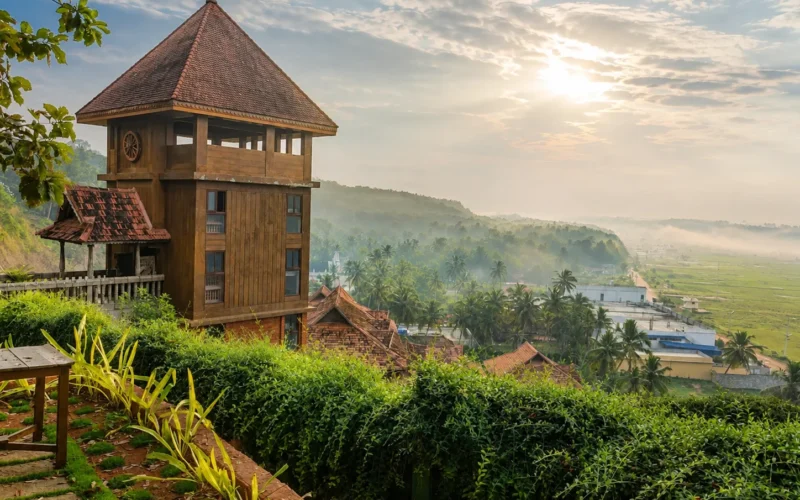
Ayurveda and Sleep: Can Kerala Ayurveda Help You Sleep Better?
Why Sleep Has Become a Modern Health Challenge Sleep should be one of the most natural functions of the human…
Read More ›