
Why Kerala Is the Home of Panchakarma: The Story Behind India’s Ayurveda Capital
More Than a Destination for Wellness
Every year, travellers from across the world arrive in Kerala seeking Panchakarma. Some come from bustling global cities in search of relief from chronic stress. Others arrive hoping to improve their wellbeing through Ayurveda’s time-tested healing traditions.
Many are drawn by stories of transformation shared by friends, family members, or wellness practitioners who have experienced Kerala’s unique approach to health and rejuvenation.
Yet one question often arises among first-time visitors. Why Kerala?
Before exploring Kerala’s unique role in Ayurvedic healing, it helps to understand what Panchakarma treatment actually involves and why it remains Ayurveda’s most comprehensive cleansing and rejuvenation programme.
After all, Ayurveda is practised throughout India. Ayurvedic hospitals, wellness centres, and practitioners can be found in many regions of the country.
What makes Kerala so closely associated with Panchakarma that it has become the destination most international travellers think of when planning an Ayurvedic retreat?
The answer lies in a remarkable combination of history, climate, culture, medicinal knowledge, and living tradition. Kerala is not simply a place where Panchakarma is offered.
It is a place where Ayurveda continues to shape everyday life, where healing traditions have been preserved across generations, and where nature itself contributes to the wellness experience.
Understanding this connection helps explain why Kerala remains one of the world’s leading destinations for authentic Panchakarma.
The Deep Roots of Ayurveda in Kerala
The story of Ayurveda in Kerala stretches back centuries. While Ayurveda developed as one of India’s classical systems of medicine, Kerala played a unique role in preserving and nurturing these traditions over time.
In many parts of the world, traditional medical systems have gradually become separated from everyday life. Kerala followed a different path.
Ayurvedic knowledge continued to be practised within families, communities, and healthcare traditions, allowing it to evolve while remaining deeply connected to its origins.
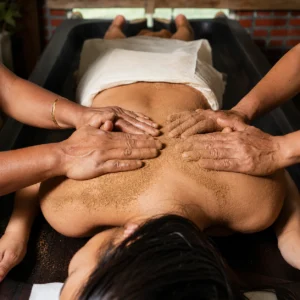
Generations of physicians studied classical texts, refined therapeutic practices, and passed knowledge from one generation to the next. This continuity helped create an environment where Ayurveda remained a living tradition rather than a historical curiosity.
Today, visitors to Kerala encounter not merely an industry built around wellness tourism but a region where Ayurveda has long been part of the cultural fabric.
The Legacy of Kerala’s Ashtavaidya Tradition
One of the most important reasons Kerala occupies a special place in Ayurvedic history is its association with the Ashtavaidya tradition.
The term refers to renowned physician families who dedicated themselves to mastering the eight branches of classical Ayurveda.
For centuries, these families preserved medical texts, therapeutic methods, and diagnostic practices through rigorous education and apprenticeship.
The Ashtavaidya tradition became synonymous with scholarly excellence and clinical expertise. Knowledge was carefully transmitted across generations, ensuring that classical Ayurvedic principles remained intact while adapting to changing times.
Although modern Ayurvedic education now follows formal institutional pathways, the influence of Kerala’s traditional physician lineages continues to shape the state’s reputation for authentic Ayurvedic care.
For many travellers, this historical depth provides confidence that they are engaging with a tradition that has been refined and preserved over centuries.
Why Kerala’s Climate Supports Panchakarma
Kerala’s natural environment plays an important role in its reputation as a Panchakarma destination.
The state’s tropical climate creates conditions that Ayurvedic practitioners have long considered favourable for therapeutic treatments. Warm temperatures, relatively high humidity, and abundant rainfall help the body remain relaxed and receptive during many Ayurvedic procedures.
Particularly during the monsoon season, Kerala takes on a character that many wellness travellers find deeply restorative. Rain nourishes the landscape, temperatures remain moderate, and the atmosphere encourages a slower pace of life.
Traditional Ayurvedic wisdom often associates this period with enhanced receptivity to cleansing and rejuvenation therapies.
While Panchakarma can be undertaken throughout the year, the monsoon season continues to hold special significance within Kerala’s wellness traditions.
For international travellers accustomed to colder climates or highly urbanised environments, Kerala’s natural setting often becomes an important part of the healing experience itself.
A Land Rich in Medicinal Plants
Ayurveda relies heavily on the therapeutic properties of plants, and Kerala’s biodiversity has long supported the development of traditional medicine.
The state lies alongside the Western Ghats, one of the world’s most biologically diverse regions. These mountains and surrounding ecosystems are home to countless medicinal plants that have been used in Ayurvedic preparations for generations.
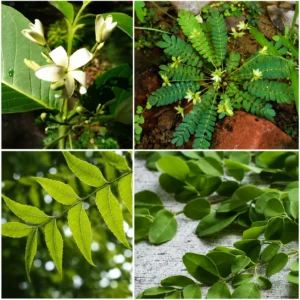
Traditional practitioners developed extensive knowledge of local herbs, roots, leaves, flowers, and oils. This botanical richness contributed significantly to Kerala’s emergence as a centre of Ayurvedic expertise.
Even today, many visitors are surprised to discover how closely Ayurveda remains connected to the natural environment. Medicinal gardens, herbal preparations, and plant-based therapies continue to form an important part of the Panchakarma experience.
This relationship between nature and medicine reinforces one of Ayurveda’s central principles: that healing often begins by working in harmony with the natural world.
Why Panchakarma Flourished in Kerala
While climate and medicinal resources played important roles, they alone do not explain Kerala’s reputation.
Panchakarma flourished because the state developed an ecosystem capable of supporting authentic Ayurvedic practice.
Skilled physicians, experienced therapists, educational institutions, traditional knowledge systems, and community acceptance all contributed to its growth.
Unlike many wellness trends that emerge and disappear over time, Panchakarma remained integrated into Kerala’s healthcare culture. People continued to seek Ayurvedic treatment not only for relaxation but also as part of broader approaches to wellbeing.
This continuity helped preserve therapeutic standards and encouraged ongoing refinement of clinical practice. As international interest in wellness travel grew, Kerala was uniquely positioned to share these traditions with a global audience.
The Healing Environment Beyond the Treatment Room
One of the most distinctive aspects of undertaking Panchakarma in Kerala is that the healing experience extends far beyond consultations and therapies.
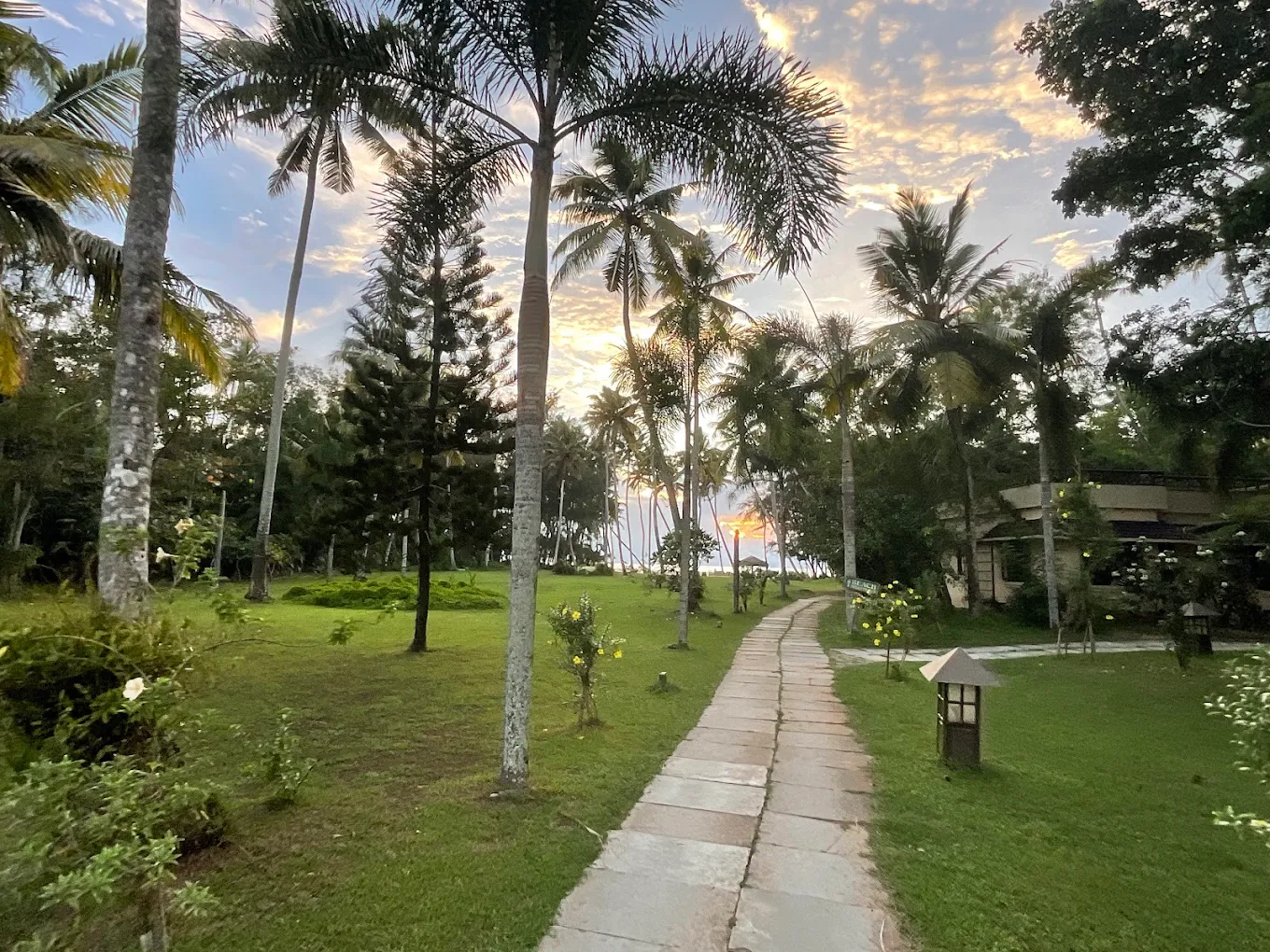
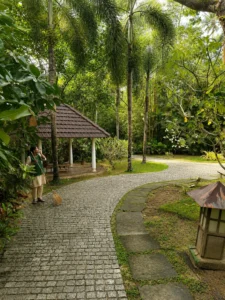
Many retreats are located amidst landscapes that naturally encourage rest and reflection. Backwaters lined with coconut palms, tropical gardens filled with medicinal plants, forested hills, and tranquil coastal settings all contribute to an atmosphere that feels very different from everyday life.
Imagine beginning the day with a walk beside Kerala’s quiet backwaters before a physician consultation, spending the afternoon surrounded by tropical greenery after a therapy session, and ending the evening listening to monsoon rain as the landscape settles into silence.
These moments may seem simple, yet they often become some of the most memorable aspects of a Panchakarma journey.Many returning wellness travellers describe the environment as an essential part of the experience.
The therapies may take place inside treatment rooms, but the sense of calm created by Kerala’s landscapes often extends the benefits far beyond the treatments themselves.
The slower pace, connection with nature, and absence of constant stimulation help create the conditions in which genuine rest and renewal can occur.
This is one of the reasons Panchakarma feels different in Kerala. Healing is not confined to scheduled appointments. It becomes part of the wider experience of place.
Why International Travellers Choose Kerala
The appeal of Kerala extends well beyond its Ayurvedic heritage.
Travellers today are increasingly seeking experiences that offer depth, authenticity, and a sense of purpose. Kerala’s combination of wellness traditions, natural beauty, cultural richness, and slower pace of life aligns closely with these aspirations.
Consider a professional from New York, London, or Singapore who spends much of the year navigating demanding schedules, international travel, and constant digital connectivity. Their search for Panchakarma often begins as a desire for physical recovery, yet many discover something more profound.
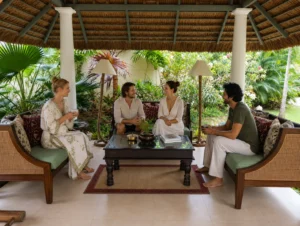
The combination of physician-led care, Kerala’s slower rhythm of life, and immersion in nature creates a rare opportunity to step away from everyday pressures and focus entirely on personal wellbeing.
For another traveller from Germany or Australia who has practised yoga and mindfulness for years, Kerala represents an opportunity to experience Ayurveda within the environment where it has flourished for generations.
The attraction lies not only in the therapies themselves but in understanding the wider philosophy, culture, and traditions that support them.
Many visitors are also drawn by the depth of expertise available across Kerala. The opportunity to undertake Panchakarma in a region where Ayurvedic knowledge has been preserved and practised for centuries provides a level of confidence that few destinations can match.
This combination of authenticity, expertise, and environment continues to attract wellness travellers from around the world.
Kerala and the Rise of Global Wellness Travel
Over the past two decades, wellness tourism has evolved from a niche interest into a major global travel sector.
As travellers increasingly prioritise health, longevity, and meaningful experiences, destinations with established wellness traditions have gained international attention. Kerala has emerged as one of the leading beneficiaries of this trend.
Unlike destinations that built wellness industries primarily around modern spa concepts, Kerala entered this era with a centuries-old foundation.
Its Ayurvedic heritage, combined with growing investments in wellness infrastructure and hospitality, helped position the state as a global leader in wellness travel.
Today, visitors can find experiences ranging from traditional Ayurvedic centres to luxury wellness retreats that combine personalised care with exceptional hospitality.
Yet regardless of setting, the foundation remains the same: a deep connection to Ayurveda and Panchakarma.
Panchakarma as Part of Kerala’s Living Culture
Perhaps the most compelling reason Kerala remains synonymous with Panchakarma is that Ayurveda continues to be part of everyday life.
Visitors quickly notice that Ayurvedic principles extend beyond treatment rooms. They influence food traditions, daily routines, seasonal practices, and approaches to wellbeing. Herbal remedies, medicinal oils, and preventive healthcare concepts remain familiar to many local communities.
This cultural continuity creates an authenticity that cannot easily be manufactured. Travellers are not simply visiting a wellness destination. They are engaging with a tradition that continues to shape how people live, eat, and care for their health.
The result is an experience that feels genuine rather than staged, rooted in living knowledge rather than marketing narratives.
Why Kerala Remains the Benchmark for Authentic Panchakarma
Many destinations now offer Ayurvedic therapies, yet Kerala continues to occupy a unique position.
Its reputation rests on a combination of factors that few regions can replicate: centuries of Ayurvedic heritage, respected physician traditions, favourable climatic conditions, exceptional biodiversity, strong wellness infrastructure, and a culture that continues to value holistic wellbeing.
Together, these elements create an environment where Panchakarma can be experienced not simply as a treatment programme but as part of a broader philosophy of life.
For travellers seeking authenticity, this distinction matters.
More Than a Destination
People may initially travel to Kerala for Panchakarma, but they often leave with a deeper appreciation of something much larger.
They discover a place where ancient knowledge remains relevant, where nature and wellbeing remain closely connected, and where healing is understood as more than the absence of illness. They experience a slower rhythm of life that encourages reflection, balance, and renewal.
This is why Kerala continues to be regarded as the home of Panchakarma. It is not merely because Ayurveda is practised here.
It is because the traditions, environment, culture, and philosophy that support Ayurveda continue to thrive here in a way that remains rare in the modern world.
For those seeking an authentic Panchakarma journey, Kerala is more than a destination. It is part of the experience itself.
Related Blogs

Rakta Mokshana (Raktamokshana) Ayurveda’s Forgotten Fifth Therapy
Understanding Rakta Mokshana: Ayurveda’s Forgotten Fifth Panchakarma Therapy When people think of Panchakarma, they often associate it with therapies such…
Read More ›
Ayurveda and Sleep: Can Kerala Ayurveda Help You Sleep Better?
Why Sleep Has Become a Modern Health Challenge Sleep should be one of the most natural functions of the human…
Read More ›