
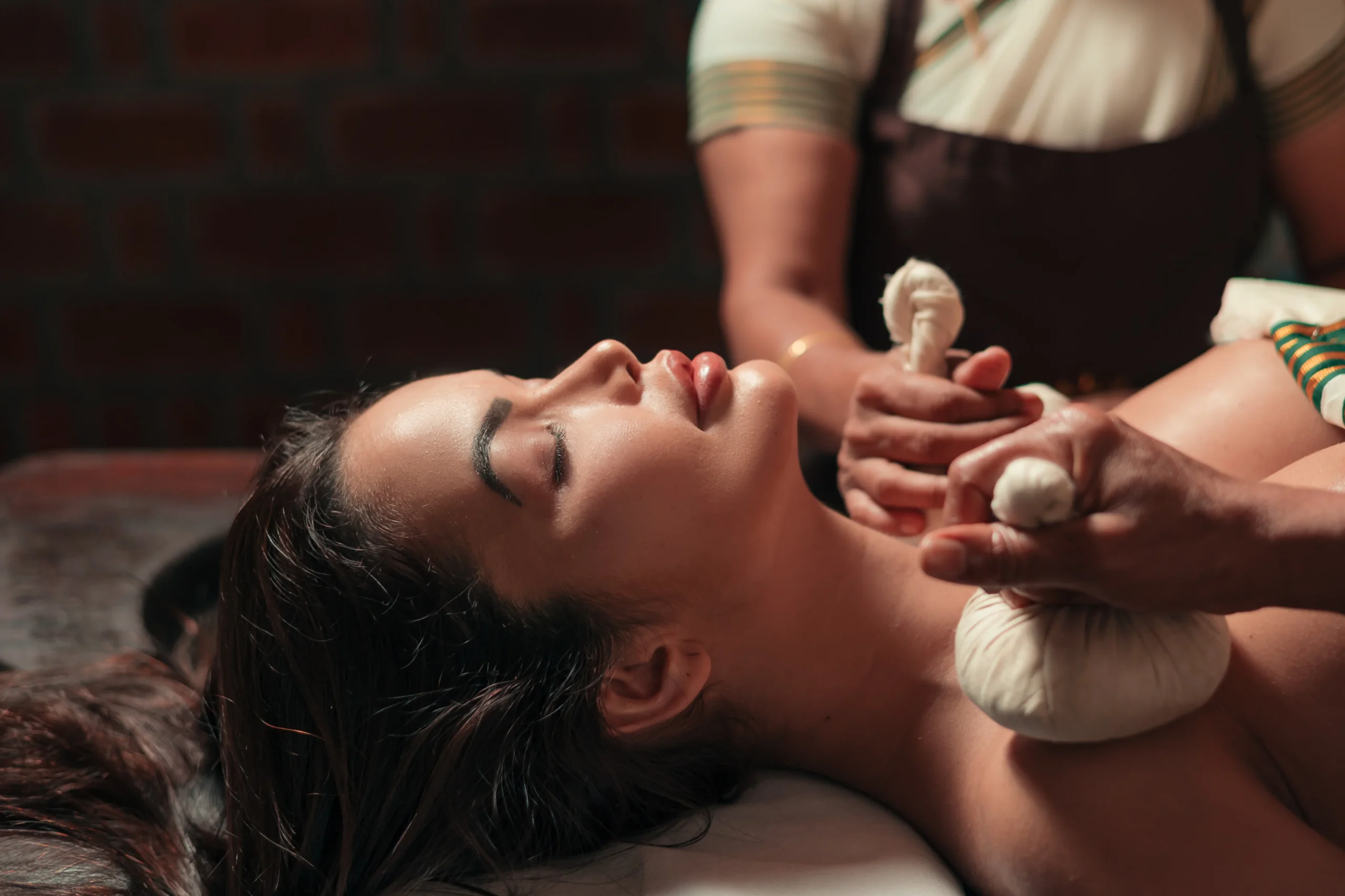
Understanding Basti Therapy: Ayurveda’s Traditional Approach to Vata & Gut Balance
Understanding Basti Within Ayurveda’s Panchakarma Traditions
Ayurveda approaches health through balance, rhythm, digestion, and the natural functioning of the body rather than focusing only on symptoms. Within this traditional system of healing, Panchakarma therapies are considered important cleansing and restorative procedures designed to support internal balance and overall wellbeing.
Therapies such as Basti, Virechana, and Nasya each serve different roles within classical Panchakarma traditions, depending on the individual’s constitution and therapeutic objectives.
Among these therapies, Basti occupies a particularly important place in Ayurveda. Traditionally associated with Vata balance, digestive wellness, cleansing, and nourishment, Basti therapy continues being widely practised across Kerala Ayurveda centres and Panchakarma retreats today.
While modern discussions often simplify Panchakarma as detoxification alone, Ayurveda views Basti more holistically, not only as a cleansing therapy, but also as a restorative and balancing approach aimed at supporting the body’s internal harmony.
Today, many individuals explore Basti therapy as part of:
- Panchakarma programs,
- wellness retreats,
- seasonal Ayurveda care,
- and traditional approaches to digestive and lifestyle balance.
What Is Basti Therapy in Ayurveda?
Basti therapy is a traditional Ayurvedic treatment involving the administration of medicated herbal oils or decoctions through the rectal route under professional supervision. It is considered one of the classical Panchakarma therapies described in Ayurvedic texts.
Unlike therapies focused mainly on the upper respiratory channels or therapeutic purgation, Basti primarily concentrates on the colon and lower digestive region, which Ayurveda traditionally associates closely with Vata dosha.
In Ayurveda, Basti is not viewed merely as a physical cleansing procedure. Instead, it is considered a carefully structured therapeutic process intended to support balance, lubrication, nourishment and internal cleansing.
Depending on the individual and treatment plan, Basti may be:
- performed independently,
- integrated into Panchakarma programs,
- or included within broader Kerala Ayurveda wellness therapies.
Why Is Basti Important in Ayurveda?
Ayurveda considers Vata dosha responsible for movement and communication within the body. Traditional Ayurvedic philosophy associates Vata with circulation, nerve impulses, elimination, breathing, movement and mental activity.
When Vata becomes imbalanced, Ayurveda traditionally associates it with dryness, irregular digestion, restlessness, fatigue, disturbed sleep, and feelings of instability.
The colon is considered one of the primary seats of Vata in Ayurveda. Because of this connection, Basti therapy is traditionally regarded as one of the most important therapies for balancing Vata dosha.
Unlike more aggressive cleansing approaches, Basti often combines cleansing, nourishment, oiling, and restoration.
This balanced approach is one reason why Ayurveda places significant importance on the therapy within Panchakarma traditions.
Types of Basti Therapy in Ayurveda
Ayurveda describes several forms of Basti therapy depending on the therapeutic objective, the individual’s constitution, and the depth of treatment required. While all forms of Basti work through the colon, each follows a distinct role within Panchakarma and Ayurvedic healing.
Niruha Basti (Asthapana Basti)
Niruha Basti primarily uses herbal decoctions combined with medicated liquids, oils, and classical Ayurvedic formulations. Traditionally, it is associated with cleansing, detoxification, and balancing aggravated Vata dosha.
In Ayurveda, Vata governs movement, nervous system activity, circulation, and elimination. When aggravated, it may contribute to dryness, constipation, stiffness, fatigue, anxiety, and nervous imbalance. Niruha Basti is therefore considered one of the most important therapies within classical Panchakarma for deeper systemic cleansing.
The therapy is usually administered after preparatory procedures such as Snehana (oleation) and Swedana (therapeutic sweating), allowing the body to prepare for detoxification more effectively.
Anuvasana Basti
Anuvasana Basti differs from Niruha Basti in both composition and therapeutic intention. Instead of herbal decoctions, it primarily uses medicated oils and ghee preparations.
Where Niruha focuses more on cleansing, Anuvasana is traditionally associated with lubrication, nourishment, tissue support, and calming excessive dryness linked to Vata imbalance. It is commonly integrated into therapies addressing muscular stiffness, nervous exhaustion, joint discomfort, and recovery-oriented Panchakarma programmes.
Because of its nourishing nature, Anuvasana Basti is often repeated within longer Ayurvedic treatment cycles depending on the physician’s assessment.
Matra Basti
Matra Basti is considered a gentler oil-based form of Basti therapy that uses smaller quantities of medicated oil and milder therapeutic intensity.
Traditionally, it is associated with preventive care, stress recovery, mild Vata management, and supportive rejuvenation therapies. Due to its gentler nature, Matra Basti is sometimes incorporated into restorative wellness programmes and long-term Ayurvedic lifestyle support.
Despite being milder, authentic Ayurvedic practice still individualises the therapy according to digestion, body constitution, lifestyle, and overall treatment goals.
The Importance of Personalisation
One of Ayurveda’s core principles is that no therapy is universally applied in the same way for every individual. Authentic Basti therapy is carefully personalised according to body constitution, digestive condition, toxin accumulation, age, lifestyle, and the nature of the imbalance being treated.
For this reason, classical Basti therapies are usually administered under the supervision of qualified Ayurvedic physicians within structured Panchakarma programmes rather than simplified spa-style wellness settings.
How Basti Therapy Works
Basti therapy is usually performed within a calm and controlled Ayurvedic treatment environment under trained professional supervision.
Initial Consultation
Before treatment begins, Ayurvedic practitioners generally assess body constitution, digestive patterns, lifestyle, current imbalances, and overall wellness condition.
This assessment helps determine the type of Basti, herbal formulations, treatment duration, and dietary recommendations.
Preparation Before Therapy
Preparation may include light meals, oil massage, mild sweating therapies, or digestive preparation depending on the Panchakarma program.
Ayurveda traditionally emphasises preparation before cleansing therapies to support proper balance and comfort during treatment.
Administration Process
During the therapy, medicated oils or herbal preparations are administered carefully in a controlled setting.
The process is generally calm, private, and professionally guided. After administration, rest is usually advised for a short period while the body responds naturally to the therapy.
The exact experience varies depending on the type of Basti, treatment plan, and individual constitution.
Post-Therapy Care
Following therapy, Ayurveda traditionally recommends:
- rest,
- warm foods,
- hydration,
- and a lighter routine.
Practitioners may also advise avoiding:
- heavy meals,
- excessive travel,
- stress,
- or cold exposure immediately after treatment.
What to Expect During a Basti Session
For many first-time visitors to Kerala Ayurveda centres, uncertainty about the therapy experience is common. In reality, Basti sessions are generally designed to be calm, structured, and supportive rather than intimidating.
A typical session may include:
- consultation and preparation,
- therapy administration,
- rest and observation,
- dietary and aftercare guidance.
The duration of a session may vary depending on the treatment plan, though many sessions are relatively short in terms of administration time.
Individuals often describe the therapy atmosphere as quiet, restorative grounding and deeply relaxing when integrated into broader Panchakarma routines.
Benefits Traditionally Associated with Basti Therapy
Ayurveda traditionally associates Basti therapy with Vata balance, digestive wellness, internal cleansing, nourishment, relaxation and overall rejuvenation.
Depending on the treatment approach, Ayurveda may also traditionally associate Basti with supporting digestive regularity, lubrication, comfort and restoration during periods of imbalance.
Because Ayurveda approaches wellness holistically, Basti is often viewed not simply as a cleansing therapy, but as part of a broader effort to restore internal harmony and balance.
However, outcomes vary between individuals, and therapies should always be performed under qualified Ayurvedic supervision.
Basti therapy should not be viewed as a replacement for emergency medical care or modern medical diagnosis.
Diet & Lifestyle During Basti Therapy
Ayurveda traditionally places strong importance on diet and routine during Panchakarma therapies.
During Basti programs, practitioners may recommend warm and freshly prepared meals, lighter digestion-friendly foods, adequate hydration, proper rest and a calm daily routine. Heavy, processed, excessively cold, or difficult-to-digest foods are often reduced during treatment periods.
Simple foods such as rice preparations, lightly spiced vegetables, soups and warm herbal drinks are commonly integrated into Ayurvedic wellness routines.The goal is to support digestion gently while allowing the body to remain balanced throughout therapy.
Who Should Avoid Basti Therapy?
Like all Panchakarma therapies, Basti should only be performed under proper professional supervision.
Ayurvedic practitioners may avoid or modify therapy in situations involving pregnancy, fever, acute illness, severe digestive distress, active infections or significant physical weakness.
Individual assessment remains important because Ayurveda treatments are traditionally personalised according to constitution and overall health condition.
Basti Therapy in Kerala Ayurveda Retreats
Kerala remains closely associated with traditional Panchakarma and Ayurveda wellness therapies. Across the state, Ayurveda centres and wellness retreats continue integrating Basti into personalised treatment programs focused on detoxification, rejuvenation, stress management and holistic wellness.
Many residential Kerala Ayurveda retreats combine Basti with herbal oil therapies, steam treatments, Ayurvedic diet plans, yoga, meditation and physician consultations.
The overall experience is often designed around slowing down daily routines and creating a more balanced therapeutic environment rather than focusing only on individual procedures.
For many wellness travellers, the calm atmosphere of Kerala’s traditional Ayurveda centres becomes an important part of the Panchakarma experience itself.
Final Thoughts
Within Ayurveda’s Panchakarma traditions, Basti continues holding an important role because of its strong association with Vata balance, digestive wellness, cleansing, and restoration.
Rather than approaching health through isolated symptoms alone, Ayurveda views therapies such as Basti within a broader philosophy of internal balance, nourishment, routine, and long-term wellbeing.
Today, whether experienced within a Kerala Ayurveda retreat or as part of a structured Panchakarma program, Basti therapy continues reflecting Ayurveda’s deeply holistic approach to wellness and personalised care.
As with all traditional Ayurveda therapies, consultation with qualified practitioners and authentic clinical supervision remain essential before beginning treatment.
Related Blogs
Rakta Mokshana (Raktamokshana) Ayurveda’s Forgotten Fifth Therapy
Understanding Rakta Mokshana: Ayurveda’s Forgotten Fifth Panchakarma Therapy When people think of Panchakarma, they often associate it with therapies such…
Read More ›
Ayurveda and Sleep: Can Kerala Ayurveda Help You Sleep Better?
Why Sleep Has Become a Modern Health Challenge Sleep should be one of the most natural functions of the human…
Read More ›